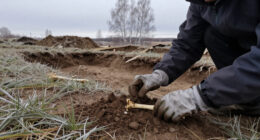
Communities worldwide are taking proactive steps to prepare for climate impacts in 2025. You’ll see efforts like improved land management, controlled burns, and restoring natural flood defenses to reduce wildfire and flood risks. Cities are boosting green spaces, installing early warning systems, and promoting sustainable cooling solutions for heatwaves. Investments in resilient infrastructure and community evacuation plans are also key. Keep exploring to discover how these innovations are shaping a safer future for everyone.

Get everyday essentials delivered free — and shop member deals
- Fast, free delivery on millions of items
- Access to Prime Big Deal Days deals on October 6–7
- Prime Video, Amazon Music and more included
Key Takeaways
- Communities are implementing improved land management and controlled burns to reduce wildfire risks.
- Urban areas are increasing green spaces and reflective materials to combat heat islands.
- Enhanced early warning systems utilize sensors and analytics for timely disaster alerts.
- Flood defenses are upgraded with natural solutions like wetlands and reinforced stormwater infrastructure.
- Public education campaigns and evacuation planning are prioritized to ensure safety during extreme weather events.
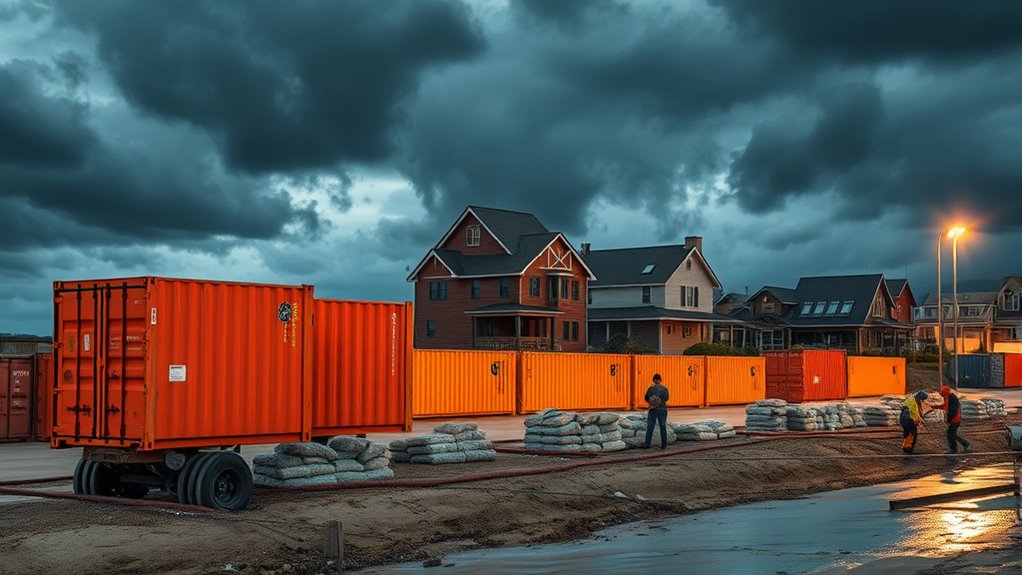
As climate change accelerates, communities worldwide are taking bold steps to adapt to extreme weather events. In 2025, wildfire resiliency has become a top priority, with 25 U.S. states introducing climate adaptation bills focused on reducing wildfire risks. You’ll see measures like improved land management and controlled burns aimed at decreasing fuel loads and preventing catastrophic fires. Community evacuation planning is also a key strategy, ensuring residents can leave quickly and safely when fires threaten. To support these efforts, investments are flowing into firefighting infrastructure and technology, helping responders better detect and suppress wildfires. Public education campaigns are raising awareness about wildfire hazards, teaching residents how to prepare and respond effectively. Coordination between state and local governments is strengthening, streamlining wildfire response and recovery efforts so communities can bounce back faster after incidents. Advances in fire science are also guiding more effective suppression techniques and preventive measures, further enhancing resilience.
At the same time, adaptation to extreme heat is gaining momentum. New occupational standards are being developed to protect workers from heat-related illnesses, especially those working outdoors. Cities are increasing green spaces and using reflective building materials to combat urban heat islands, making environments cooler and more livable. Early warning systems for heat waves are being rolled out, although only 26 countries currently include heat in their weather decision-making processes. The economic toll of heat is mounting, with projections estimating annual productivity losses reaching $2.4 trillion by 2035, underscoring the urgent need for thorough actions. Programs are targeting vulnerable populations, like the elderly and outdoor workers, providing hydration stations and cooling centers to prevent heat-related health issues. Additionally, sustainable cooling technologies, such as solar-powered fans and air conditioning, are being promoted to reduce energy consumption during heat waves. Implementing energy-efficient cooling solutions can further mitigate environmental impacts and reduce energy costs during extreme heat periods.
Urban areas boost green spaces and heat warnings to protect vulnerable populations from rising temperatures and health risks.
Flood preparedness efforts are also expanding. Communities are upgrading stormwater management systems and reinforcing levees to handle intense storms. Restoring natural flood defenses, such as wetlands, is a growing focus because these ecosystems absorb floodwaters and reduce impact. Enhanced early warning systems are being deployed to give communities more time to prepare for floods, minimizing damage and loss of life. Urban planning is increasingly factoring in flood risk assessments, avoiding new developments in high-risk zones to reduce future vulnerabilities. Federal and state funds are dedicated to rebuilding resilient infrastructure in flood-prone areas, strengthening communities’ defenses against rising water levels. Moreover, integrating natural flood defenses into urban landscapes helps create sustainable and cost-effective solutions for flood mitigation.
Scaling adaptation investments remains critical. Nations recognize that every dollar spent on climate resilience can save four dollars in future damages. Funding is prioritized for sectors like agriculture and coastal zones, which face the most significant threats. International cooperation is expanding, sharing technology and expertise with low-income regions to boost global resilience. Early warning systems, combining sensors, analytics, and communication tools, are becoming more sophisticated. These systems deliver rapid alerts, saving lives and property, and are increasingly integrated with health departments to monitor disease outbreaks linked to climate hazards. Despite progress, deployment remains uneven, with large cities lagging behind, but collaborative efforts continue to improve global preparedness for worsening weather extremes.
fire-resistant land management tools
As an affiliate, we earn on qualifying purchases.
As an affiliate, we earn on qualifying purchases.
Frequently Asked Questions
How Do Local Governments Prioritize Climate Adaptation Projects?
You prioritize climate adaptation projects by using frameworks like the Adaptation Planning Guide and evaluating local community needs. You align projects with regional plans and leverage funding opportunities such as grants. You focus on multi-benefit strategies that improve resilience, protect infrastructure, and benefit vulnerable communities. You evaluate projects based on resilience goals, environmental justice, and community impact, ensuring they fit within existing plans and provide long-term sustainability.
What Funding Sources Support Community Climate Resilience Initiatives?
They say, “money makes the world go round,” and that’s true for community climate resilience. You can access funding from sources like the Climate Smart Communities Initiative, which offers $100,000 grants for projects in New York. These grants support planning, capacity-building, and land acquisition, emphasizing community engagement and equitable benefits. Additionally, organizations like The Nature Conservancy provide smaller grants, and NOAA offers various support programs to help you strengthen climate adaptation efforts.
How Are Vulnerable Populations Protected During Extreme Weather Events?
You’re wondering how vulnerable populations are protected during extreme weather events. Communities deploy early warning systems that are accessible and culturally relevant, ensuring timely alerts for everyone. They also build climate-resilient infrastructure like flood-resistant shelters and cooling centers. Emergency services target at-risk groups with medical support, and policies include social safety nets. By involving local organizations and upgrading infrastructure, communities help vulnerable individuals stay safe during crises.
What Role Do Technological Innovations Play in Climate Adaptation?
Imagine a world where clever tools gently guide you through climate challenges. Technological innovations play a crucial role in climate adaptation by offering real-time monitoring with satellites, AI-driven risk forecasts, and IoT-connected sensors. Drones assess damage swiftly, while smart grids ensure reliable energy. These advancements help communities respond faster, plan smarter, and build resilience, making climate risks more manageable and safeguarding your environment and future with inspired ingenuity.
How Is Community Engagement Incorporated Into Adaptation Planning?
You’re actively involved in adaptation planning by engaging with diverse stakeholders, like local organizations and residents, to gather essential insights. You use digital tools such as surveys and online forums, along with in-person events like workshops, to guarantee everyone’s voice is heard. You also contribute to forming advisory groups and focus on equity, making sure disadvantaged groups are included, which leads to more effective and inclusive climate resilience strategies.
Conclusion
As you see, communities are rising to the challenge and making bold moves to face climate change head-on. Their innovative adaptations prove that when push comes to shove, resilience and ingenuity can turn the tide. Remember, it’s often said that the early bird catches the worm, so the quicker you act, the better your chances of safeguarding your future. Together, we can weather any storm — now’s the time to stand firm and take action.
Halloween Picks
halloween
As an affiliate, we earn on qualifying purchases.