In 2025, investors are hedging with both gold and Bitcoin, each offering unique benefits. Gold provides stability and a trusted store of value during uncertain times, while Bitcoin offers higher growth potential despite its volatility. Your choice depends on your risk appetite and investment horizon. If you want to understand how these assets compare in their role as hedges and what’s driving investor preferences, keep exploring these dynamic options.
Key Takeaways
- Gold remains the preferred hedge in traditional portfolios due to its stability and long-standing acceptance.
- Bitcoin attracts investors seeking higher growth potential despite higher volatility and emerging institutional acceptance.
- In 2025, gold is favored for risk-averse hedging during economic uncertainty and power grid disruptions.
- Bitcoin is increasingly used by investors for diversification and rapid cross-border transactions.
- Overall, investors balance gold for stability and Bitcoin for growth and innovation in their hedging strategies.

When comparing gold and Bitcoin, you’re looking at two distinct assets that serve different roles in a portfolio. Gold has a long history as a tangible store of value, trusted for centuries and widely used in industrial applications and jewelry. Its physical nature makes it resilient during power outages or “grid-down” scenarios, providing a sense of stability in uncertain times. Bitcoin, on the other hand, is entirely digital, relying on a decentralized network and cryptographic code to establish trust. It’s portable, easy to transfer across borders, and depends on internet infrastructure—making it vulnerable to technological disruptions but highly convenient for rapid transactions.
Gold’s value is rooted in its tangible and resilient qualities, making it a preferred safe haven during economic turmoil. Its low volatility and proven track record as a store of wealth mean you can hold gold with confidence, especially during times of currency devaluation or inflation. Bitcoin is more volatile, with an annualized realized volatility around 52.2% in early 2025, compared to gold’s roughly 30%. Yet, it’s showing signs of maturity, with volatility gradually decreasing and the potential for higher growth. Large holders, or “whales,” can influence Bitcoin’s price considerably, adding an element of risk not present with gold’s more stable, physical supply. Still, Bitcoin’s fixed supply of 21 million coins creates scarcity, fostering a narrative of long-term value similar to gold, but with the added benefit of a transparent, algorithmic monetary policy.
The supply mechanisms differ greatly. Gold’s availability grows slowly through mining, with no strict cap, which can lead to unpredictable fluctuations. Bitcoin’s supply is strictly capped and enforced by code, with halving events reducing new issuance over time, reinforcing scarcity. This predictability appeals to investors seeking inflation protection, as both assets act as hedges against currency debasement. Market size also varies; gold’s capitalization exceeds $13 trillion, with centuries of societal and institutional acceptance, making it the dominant safe-haven asset globally. Bitcoin’s market cap is around $1.6 trillion, but its acceptance is rapidly expanding, especially among younger, tech-savvy investors and institutions adopting ETFs and other products.
In terms of performance, gold has historically generated modest real returns—about 0.6% annually over centuries—but recently hit a high near $3,300 per ounce, delivering a 25% year-to-date gain in 2025. Bitcoin, meanwhile, offers higher growth potential, driven by its limited supply and increasing adoption. Though more volatile, its long-term trend suggests a narrowing gap with gold’s stability. As an investor in 2025, you’re weighing these differences: gold’s stability and proven track record versus Bitcoin’s growth potential and evolving maturity. Both serve as hedges, but your choice depends on your risk appetite, investment horizon, and confidence in technology’s role in the future economy. Additionally, understanding the volatility differences can help you tailor your portfolio to match your risk tolerance and investment goals.

IROLD 24k Gold Bar .9999 Fine with Assay Certificate – 1 OZ
Pure 24K: Crafted from .9999 fine gold for maximum purity and value.
As an affiliate, we earn on qualifying purchases.
As an affiliate, we earn on qualifying purchases.
Frequently Asked Questions
How Do Geopolitical Tensions Influence Gold and Bitcoin Investments?
Geopolitical tensions impact your investment choices by increasing demand for safe assets. You’ll see more people turning to gold because it’s stable and widely accepted during uncertain times. Bitcoin might attract you as a decentralized alternative, but its volatility makes it riskier. Tensions can also influence regulations, affecting Bitcoin’s value. Overall, these tensions push you to contemplate gold for stability and Bitcoin for potential high returns amid global instability.
What Are the Tax Implications of Investing in Gold Versus Bitcoin?
When you invest in gold or Bitcoin, tax implications differ considerably. Gold, especially physical coins or bars, is taxed as a collectible at up to 28% on gains, which is higher than Bitcoin’s long-term gains taxed at up to 20%. Bitcoin treats as property, so you pay capital gains based on your holding period. To optimize, consider holding assets in tax-advantaged accounts, reducing your tax burden on either investment.
How Does Inflation Impact the Value of Gold Compared to Bitcoin?
Imagine inflation roaring like a wildfire, consuming your money’s value. Gold stands tall like a fortress, holding its ground and skyrocketing in value, thanks to its proven inflation hedge. Bitcoin, however, is like a volatile rollercoaster—its value can surge or plummet. While both react to inflation, gold’s stability makes it the safer choice, but Bitcoin offers explosive growth potential for risk-takers.
Are There Any Regulatory Risks Associated With Bitcoin Investments?
You should be aware that investing in Bitcoin carries regulatory risks. In 2025, deregulation trends create uncertainty, weakening oversight and increasing exposure to fraud, market manipulation, and security breaches. The lack of a global legal framework complicates compliance and raises jurisdictional issues. Additionally, political influence and conflicts of interest could affect enforcement, making it essential for you to stay informed about evolving regulations and adopt cautious strategies to mitigate potential legal and financial risks.
What Is the Long-Term Growth Potential of Gold Versus Bitcoin?
Let’s look at long-term growth prospects: gold’s growth is grounded in genuine demand and its status as a safe haven, promising steady, moderate appreciation. Bitcoin’s potential, however, pulses with promise—its growth hinges on adoption, acceptance, and acknowledgment. While gold’s growth glides along a predictable path, Bitcoin’s bold leaps beckon risk-takers seeking higher rewards, but both demand diligence and a deep understanding of their distinct dynamics.

Bitkey Bitcoin Hardware Wallet – The Most Secure Way to Buy, Store and Manage Bitcoin
BITCOIN EXCLUSIVE: Bitkey is designed from the ground up exclusively for Bitcoin, offering a dedicated hardware wallet solution…
As an affiliate, we earn on qualifying purchases.
As an affiliate, we earn on qualifying purchases.
Conclusion
As you weigh gold and Bitcoin in 2025, consider whether history or innovation holds your trust. Some believe Bitcoin’s digital revolution will overshadow traditional assets, while others see gold as the ultimate safe haven. The truth might lie somewhere in between—a test of your instincts and beliefs. Ultimately, your choice reflects your confidence in the future. Will you hedge with legacy or leap into the unknown? The decision is yours—trust your intuition.

innoGadgets Physical Bitcoin Plated with 24-Carat Gold. A Real Collector‘s Item with Protective case
✅ COVERED IN GOLD – Our physical bitcoin coin is made from iron which is covered with 24-carat…
As an affiliate, we earn on qualifying purchases.
As an affiliate, we earn on qualifying purchases.
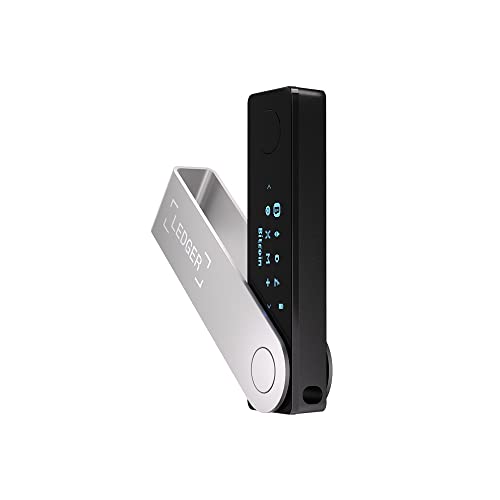
Ledger Nano X Crypto Wallet Signer – Securely Manage All Your Crypto Assets with This Bluetooth Enabled Classic – Onyx Black
Effortlessly build your crypto portfolio via the all in one Ledger Wallet app: buy, sell, send, receive, swap,…
As an affiliate, we earn on qualifying purchases.
As an affiliate, we earn on qualifying purchases.