

If an XRP ETF gets approved in October 2025, your investment could see a big boost. It’ll attract more institutional money, increase liquidity, and boost Ripple’s credibility in mainstream markets. This could drive XRP’s price higher, possibly reaching new all-time highs. The approval might also set a precedent for global recognition. Want to understand how this could shape Ripple’s future and impact your holdings? Keep exploring the details behind this game-changing event.
Key Takeaways
- ETF approval would legitimize XRP, boosting investor confidence and potentially driving its valuation higher.
- Official recognition could attract institutional investors, increasing liquidity and market stability for XRP.
- Market sentiment anticipates a surge in XRP’s price, possibly reaching $3.70–$4.00 post-approval.
- Regulatory endorsement sets a precedent, encouraging broader adoption and global acceptance of XRP.
- Approval could push XRP’s long-term valuation toward targets of $9 to $15, depending on market conditions.

The upcoming approval of XRP exchange-traded funds (ETFs) in October could substantially boost Ripple’s market position. If regulators give the green light, it would mark a significant step forward for XRP, elevating it from a speculative asset to a more established investment vehicle. This potential endorsement signals that the U.S. government recognizes XRP as a credible digital asset, especially since Ripple’s CEO confirmed XRP’s inclusion in the government’s digital asset stockpile. Such recognition not only boosts XRP’s image as a stable, legitimate asset but also reassures institutional investors who often prioritize regulatory clarity and government backing. When a government adopts or endorses an asset, it sets a precedent that other nations might follow, further expanding XRP’s global legitimacy. Official acceptance of crypto by governments is increasingly shaping the perception of digital assets like XRP in mainstream finance. The approval process, expected by October 18, 2025, holds considerable influence over XRP’s short-term price trajectory. Historically, ETFs for assets like Bitcoin and Ethereum have driven sharp price increases, and market sentiment anticipates a similar pattern for XRP. If the ETF gets approved, analysts project XRP could surge to between $3.70 and $4.00, driven by increased demand from retail and institutional investors keen to access regulated crypto markets. Conversely, a delay or rejection could cause volatility, pushing prices back toward the $2.50–$2.60 range as traders reassess risks. Despite the uncertainty, retail investors remain optimistic, some even projecting a $5.00 target by year-end if conditions stay favorable. Meanwhile, institutional players are likely to wait for regulatory clarity before deploying large sums, which could influence the speed and scale of XRP’s rise. Recent technical momentum supports this bullish outlook. XRP has recently climbed back into the top 100 assets globally, with its market cap around $185 billion and trading near $3.10. Strong support levels lie around $2.70–$2.80, with resistance at $3.00–$3.10. Technical analysts believe XRP could reach $5 by the end of 2025, especially as whale accumulation ramps up in anticipation of ETF approval. Cybersecurity vulnerabilities are also a concern as increased institutional participation may attract targeted attacks. Longer-term, some forecasts suggest prices could target $9 to $15, depending on adoption and market conditions. However, supply increases and market dynamics could introduce volatility, even amid bullish trends. The potential approval is also poised to boost liquidity and institutional participation. With regulatory and government endorsements, the market will likely see broader investor access, reducing perceived risks. Increased liquidity usually narrows spreads and leads to more efficient pricing, supporting long-term stability and growth. As XRP aligns more closely with other major crypto assets benefiting from ETF inclusion, its market position could solidify further. Additionally, regulatory clarity emerging from ongoing legal developments can improve investor confidence, lower volatility, and enhance XRP’s valuation as it transitions into a more regulated and widely accepted asset class.

XRP ETF: What You Need To Know
As an affiliate, we earn on qualifying purchases.
As an affiliate, we earn on qualifying purchases.
Frequently Asked Questions
Could ETF Approval Affect Ripple’s Partnerships With Financial Institutions?
Yes, ETF approval could strengthen your partnerships with financial institutions. It would boost liquidity and visibility for XRP, making it more appealing to traditional firms hesitant about crypto. As a result, you might see faster onboarding and expanded collaborations, since ETFs simplify XRP exposure. Increased market participation could also drive demand for Ripple’s services, encouraging more banks and institutions to deepen their integration with your network.
How Might Legal Challenges Influence Ripple’s Market Response After ETF Approval?
Legal challenges can create uncertainty, causing market volatility even after ETF approval. If regulators or courts pursue appeals or new restrictions, investor confidence may waver, leading to price swings or hesitation in institutional investments. You should watch for ongoing legal developments, as these could temper excitement, delay mainstream adoption, or trigger corrections, despite the initial positive impact of ETF approvals. Staying informed helps you navigate potential risks and opportunities in Ripple’s market response.
Will Increased Mainstream Adoption of ETFS Impact Ripple’s Liquidity?
Yes, increased mainstream adoption of ETFs will boost Ripple’s liquidity. As more investors gain access through ETFs, trading volumes will rise, making XRP more liquid and easier to buy or sell without impacting its price considerably. This broader acceptance attracts institutional investors, improves market depth, and reduces volatility. With higher liquidity, Ripple becomes a more attractive asset, encouraging further adoption and potentially driving its valuation upward.
Are There Specific Regulatory Hurdles Ripple Must Clear Post-Etf Approval?
You’ll need to navigate strict compliance monitoring after XRP ETF approval, as the SEC emphasizes adherence to regulations. About 85% market volatility reduction is possible with ETF approvals, but ongoing scrutiny over market manipulation and disclosure standards will challenge you. Staying compliant with AML/KYC requirements and managing operational risks are vital to guarantee your XRP ETFs stay lawful, transparent, and attractive to institutional investors.
Could ETF Approval Lead to Increased Competition for Ripple in Digital Assets?
Yes, ETF approval could lead to increased competition for Ripple in digital assets. As more ETFs launch for assets like Bitcoin and Ethereum, investors gain more options, making XRP less dominant. New entrants and institutional players will challenge Ripple’s market share by offering alternative investment vehicles and liquidity solutions. You’ll need to watch how Ripple differentiates itself through utility, partnerships, and regulatory clarity to stay competitive in this evolving landscape.
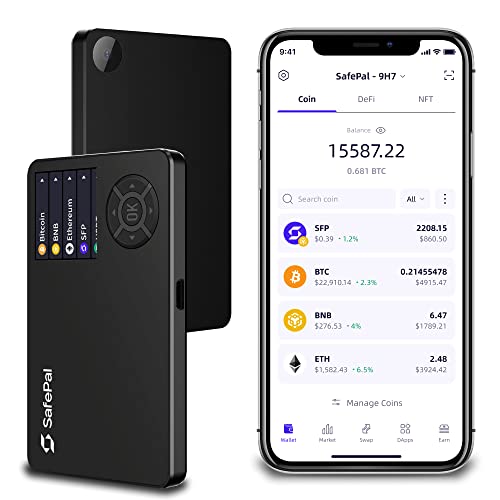
SafePal S1 Cryptocurrency Hardware Wallet, Open Source Crypto Wallet, Securely Stores Private Keys, Cold Storage for Bitcoin, Ethereum and More Tokens, NFTs, Seed Phrases & Crypto Assets
[100% off-line] SafePal S1 adopts an air-gapped signing mechanism, without any connection of Bluetooth, WiFi, NFC, or other…
As an affiliate, we earn on qualifying purchases.
As an affiliate, we earn on qualifying purchases.
Conclusion
Ultimately, October’s ETF approval could notably shape Ripple’s standing and stoke its soar. As momentum mounts and markets mirror this monumental milestone, it’s clear that this development could deliver a decisive dose of demand and dynamism. Stay vigilant, as this pivotal period promises potential profits and profound progress. With careful consideration and calculated conviction, you can capitalize on this compelling catalyst, propelling Ripple toward promising prospects and powerful, persistent progress.

Digital Asset Cross-Platform Trading: Cryptocurrency Exchange That Operates Across Multiple Ecosystems
As an affiliate, we earn on qualifying purchases.
As an affiliate, we earn on qualifying purchases.

Crypto Seed Cold Storage Wallet with Engraver Pen Kit – Metal Plate and Etching Tool for Cryptocurrency Password Phrase Backup and Recovery
All Inclusive Kit for Crypto Seed Key Storage – Comes a Stainless Steel Plate & Tungsten Steel Engraving…
As an affiliate, we earn on qualifying purchases.
As an affiliate, we earn on qualifying purchases.