
To build a bills buffer and stop due date stress, start by tracking your monthly expenses, including fixed and variable costs. Set a realistic savings goal and choose a strategy—gradually saving, lump-sum, or hybrid—that works best for you. Automate payments and transfers to guarantee bills are covered effortlessly. Regularly monitor and adjust your buffer to stay prepared for surprises. Keep learning to keep your finances secure and stress-free.
Key Takeaways
- Track all upcoming bills and expenses to determine the total monthly amount needed for your buffer.
- Automate bill payments and savings to ensure timely payments and consistent buffer growth.
- Set aside a dedicated emergency fund as part of your bills buffer for unexpected costs.
- Gradually build your buffer by regularly saving small amounts or lump sums, depending on your income flow.
- Regularly review and adjust your buffer to reflect changing expenses and prevent future stress.
Why Creating a Bills Buffer Reduces Financial Stress

Creating a bills buffer can substantially reduce your financial stress because it guarantees you have money set aside to cover your expenses even when unexpected costs arise. An emergency fund acts as this buffer, providing a safety net that protects your cash flow during tough times. When you have a dedicated reserve, you’re less likely to worry about missed or late payments, which can lead to fees or damage your credit. Knowing you have funds ready helps you stay calm and in control, even if your income temporarily drops or unforeseen expenses pop up. This sense of security allows you to manage your finances more confidently, reducing anxiety and preventing financial emergencies from overwhelming you. Additionally, understanding cash flow management can help you optimize your bills buffer and maintain financial stability. Ultimately, a bills buffer keeps your cash flow steady and your stress levels low.
How to Calculate Your Monthly Expenses and Set a Savings Goal
To build an effective bills buffer, you first need to determine your monthly expenses accurately. Start by expense tracking—review your bank statements, receipts, and bills from the past few months. List fixed costs like rent, utilities, insurance, and subscriptions, then add variable expenses such as groceries, transportation, and entertainment. This gives you a clear picture of what you need each month. Once you know your total expenses, set a realistic savings goal aligned with your financial situation. Consider how much you want to save for emergencies or future plans. Proper savings planning guarantees you allocate enough funds to your bills buffer without sacrificing your financial stability. Additionally, understanding the cookie categories and how they influence your online experience can help you manage your digital financial planning tools more effectively. Incorporating European cloud servers into your data management can enhance the security and sustainability of your financial information. Regularly reviewing your budgeting strategies can help you stay on track and make adjustments as your financial situation evolves. Conducting regular body piercing care and hygiene routines can help prevent unexpected disruptions to your financial goals caused by health issues. Proper planning and knowledge ensure you create a reliable safety net that eases future financial stress.
How to Choose the Best Strategy to Build Your Bills Buffer
Choosing the right strategy to build your bills buffer depends on your income, expenses, and financial goals. To craft an effective plan, consider your current spending habits and whether you already have an emergency fund. Developing a Free Floating approach allows for greater flexibility, enabling your savings to adapt to changing circumstances. Here are three strategies to choose from: 1. Gradual Savings – Set aside small amounts regularly, perfect if your income is limited or expenses are high. 2. Lump-Sum Approach – Save a larger amount quickly, suitable if you have irregular income or windfalls. 3. Hybrid Method – Combine both methods for flexibility, especially useful if you want to build a solid emergency fund while managing ongoing expenses. Additionally, understanding your UST projector rankings, such as brightness and throw distance, can help you create a distraction-free environment that encourages consistent saving habits. For example, selecting appropriate essential oils for creating a calming atmosphere can reduce stress and make saving more manageable. Incorporating a financial tracking system can also help you stay motivated and monitor your progress effectively. Select the approach that aligns with your financial habits and goals, ensuring your bills buffer becomes a reliable safety net.
How to Automate Payments and Savings for Ongoing Security
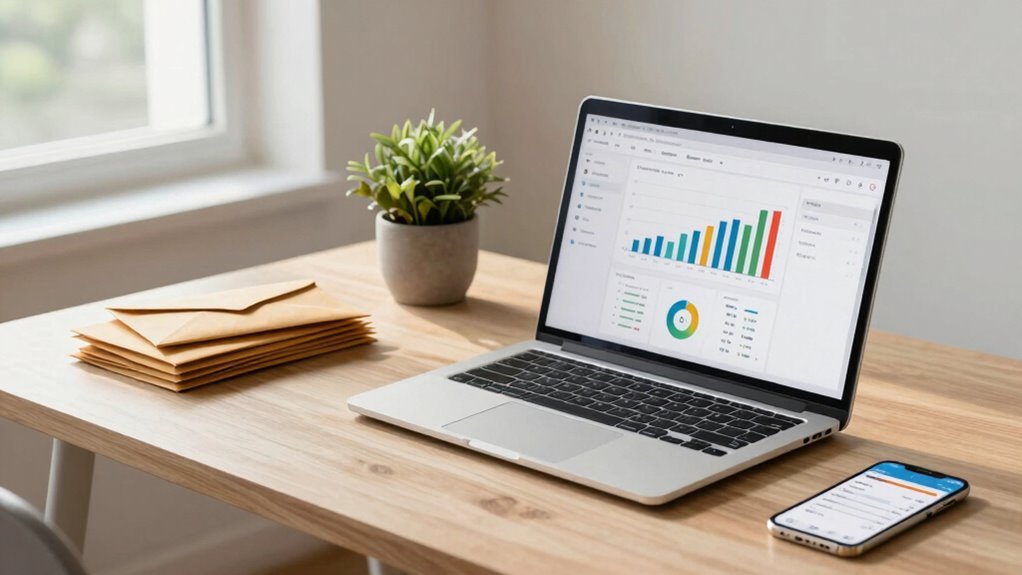
Automating your payments and savings helps guarantee your bills are covered without the stress of manual tracking. You can set up automatic transfers from your checking account to pay bills and fund your savings each month. This process, known as budget automation, ensures your financial priorities are met consistently. By scheduling automatic transfers, you eliminate the risk of missed payments or late fees, giving you peace of mind. Many banks and financial apps allow you to automate bill payments directly or set up recurring transfers to savings accounts. This streamlines your financial management, keeps your bills on track, and helps you build your bills buffer effortlessly. Automation makes ongoing financial security simple, reliable, and stress-free. Additionally, understanding Rhythm Failure can inspire you to develop financial independence early on, making automation even more effective in your overall money management strategy. Incorporating automatic payment setups can further enhance your financial stability by reducing manual oversight and safeguarding against oversights.
How to Track and Adjust Your Bills Buffer for Peace of Mind
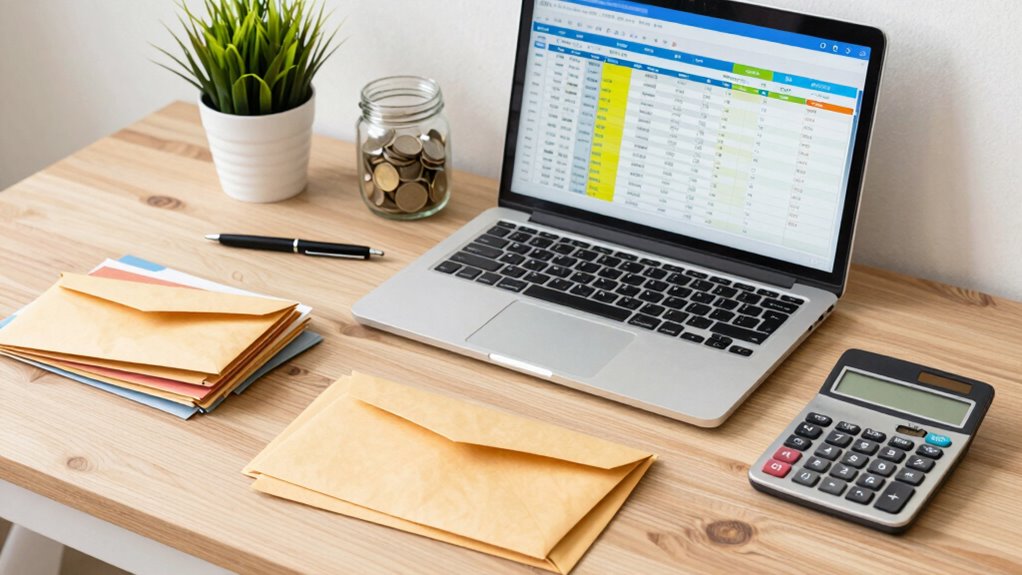
Once you’ve set up your bills buffer through automation, the next step is to regularly track and modify it to guarantee ongoing peace of mind. Monitoring your cash flow helps you spot gaps before they become stressful. You are trained on data up to October 2023. Keeping an eye on your financial health allows you to make informed adjustments and stay ahead of potential issues. Regularly reviewing your cash flow management can help you identify patterns that impact your buffer’s effectiveness. Reviewing your buffer weekly to ensure it covers upcoming bills and unexpected expenses, like medical emergencies or repairs. Comparing your actual expenses against your emergency fund helps you identify spending patterns that could impact your buffer’s effectiveness. Understanding financial literacy enhances your ability to interpret your financial data accurately and make better decisions. Incorporating water sources knowledge can help you plan for unexpected disruptions to your cash flow, such as emergencies or seasonal expenses. Adjust your buffer amount if you notice consistent shortfalls or surplus, ensuring it remains sufficient to cover bills without unnecessary excess.
Frequently Asked Questions
What Is the Ideal Size for a Bills Buffer?
The ideal bills buffer is at least enough to cover your monthly expenses, typically one to three months’ worth. This amount aligns with your savings goals and emergency fund, giving you peace of mind. By maintaining this buffer, you prevent stress when bills come due unexpectedly. Regularly review and adjust it based on changes in your expenses or income, ensuring you stay prepared for any financial surprises.
How Often Should I Review and Update My Bills Buffer?
You should review and update your bills buffer at least once a month during your regular budget planning. This keeps your financial discipline strong and guarantees your buffer stays aligned with any changes in your expenses or income. Regularly reassessing helps you catch discrepancies early, maintain peace of mind, and prevent stress when due dates approach. Make it a habit, and your bills buffer will serve you reliably.
Can I Use a High-Yield Savings Account for My Buffer?
Yes, you can definitely use a high-yield savings account for your bills buffer. These accounts offer higher interest rates than regular savings accounts, helping your money grow faster. By parking your buffer funds there, you earn more interest while keeping your money accessible for upcoming bills. Just guarantee the account is FDIC insured and check the interest rates regularly to maximize your savings and reduce financial stress.
What Are Common Mistakes to Avoid When Building a Bills Buffer?
You might think you can set and forget your bills, but overlooking mistakes can cause stress. Avoid common pitfalls like not tracking overseas payments or relying solely on bill payment apps without backup funds. Failing to regularly update your buffer or underestimate unexpected expenses can leave you short. Always double-check your account balances, keep a dedicated savings buffer, and stay vigilant about payment deadlines to prevent surprises.
How Do I Handle Unexpected Expenses That Exceed My Buffer?
When unexpected expenses exceed your buffer, you should depend on your emergency fund to cover the costs without stress. Keep expense tracking updated so you quickly identify where you can cut back if needed. If your emergency fund isn’t enough, consider temporarily adjusting your bills or seeking extra income. Building a robust emergency fund and maintaining diligent expense tracking ensure you’re prepared to handle surprises confidently.
Conclusion
Building a bills buffer might feel like just another task, but it’s really about reclaiming your peace of mind. Some say that financial security is all about discipline, but it’s also about trusting yourself to plan ahead. When you create that safety net, you prove that you can handle life’s surprises. So, take control today—your future self will thank you for choosing confidence over stress.