

To budget when prices keep changing, focus on adopting a flexible approach. Track your expenses closely and identify spending patterns influenced by inflation. Build buffers into your budget to handle unexpected increases and schedule regular reviews to adjust your plan as needed. Prioritize essential expenses and find cost-effective alternatives to stay ahead of rising costs. Stay responsive to economic shifts, and you’ll improve your financial resilience—more helpful strategies are just ahead.
Key Takeaways
- Adopt a flexible budget that adjusts regularly to reflect current prices and inflation trends.
- Track expenses meticulously to identify spending patterns and areas affected by price fluctuations.
- Build financial buffers and emergency funds to manage unexpected cost increases smoothly.
- Review and update your budget monthly or quarterly to stay aligned with economic changes.
- Prioritize essential expenses, cut unnecessary costs, and seek cost-effective alternatives to stay within budget.

When prices fluctuate unpredictably, creating a stable budget can feel overwhelming. You might find yourself constantly adjusting your plans, unsure if your money will stretch far enough to cover essentials or if you’ll need to cut back on discretionary spending. This is where inflation management becomes vital. Instead of trying to set a rigid budget that perfectly matches current costs, adopt a flexible planning approach. Recognize that prices will rise and fall, and your budget should reflect that reality. By doing so, you reduce stress and stay more adaptable to economic shifts.
Start by tracking your expenses closely. Keep a detailed record of what you spend each week and month, noting any increases in costs. This practice helps you understand your spending habits and spot trends caused by inflation. Once you have this data, you can set more realistic spending limits that account for rising prices. For example, if you notice that your groceries are costing more each month, budget a little extra for food rather than sticking to a fixed number that might quickly become outdated.
Track expenses regularly to identify inflation trends and adjust your spending limits accordingly for a more realistic budget.
Next, consider building a buffer into your budget. Allocate a portion of your income to a savings or emergency fund that can absorb unexpected price hikes. This cushion allows you to handle inflation spikes without feeling like your entire financial plan is collapsing. It’s a form of adaptable planning that provides security and peace of mind, knowing you have some wiggle room when costs go up. Incorporating financial flexibility into your planning can help you better navigate these challenges.
Revisit your budget regularly. Instead of creating a one-time plan, treat your budget as a living document that evolves with the economy. Set a recurring schedule—monthly or quarterly—to review your expenses and adjust your allocations based on recent price changes. This ongoing process keeps your budgeting realistic and responsive, helping you stay on top of inflation management. If energy prices rise sharply, for instance, you can shift more money toward utilities temporarily, rather than trying to stick to a static budget that ignores the new reality. Regular reviews also enable you to identify cost-saving opportunities early, ensuring your budget remains balanced.
Finally, look for ways to reduce expenses or find more cost-effective alternatives. When prices increase, it’s a good opportunity to evaluate your priorities and cut unnecessary spending. Shop around for better deals, buy in bulk, or switch to generic products. These small adjustments, combined with flexible planning, empower you to navigate fluctuating prices confidently. Being aware of economic shifts and their impact on daily expenses can help you stay ahead of rising costs and maintain financial stability even in uncertain times.
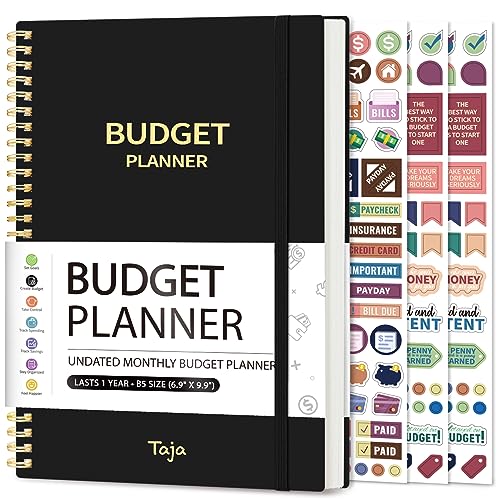
Budget Planner – Monthly Budget Book with Expense Tracker Notebook, Undated Bill Organizer & Finance Planner to Take Control of Your Money, Account Book to Manage Your Finances-Black
- Effective Budget Planning: Track income, expenses, savings, goals
- User-Friendly Layout: Easy navigation with dedicated sections
- Undated Monthly Calendar: Flexible planning with blank dates
As an affiliate, we earn on qualifying purchases.
As an affiliate, we earn on qualifying purchases.
Frequently Asked Questions
How Often Should I Review My Budget?
You should review your budget at least monthly to maintain financial flexibility and adapt to changing prices. Regular reviews help you spot overspending or savings opportunities, ensuring you’re prepared for unexpected expenses. If you notice significant price fluctuations or experience income changes, consider more frequent checks. This proactive approach strengthens your emergency planning, keeps your finances on track, and allows you to adjust your budget before small issues become larger problems.
What Tools Can Help Track Fluctuating Prices?
Did you know that 78% of consumers use budgeting apps to manage fluctuating prices? Price tracking is essential, and budgeting apps like Mint or YNAB make it easy to monitor price changes in real-time. These tools automatically update expenses, helping you adjust your budget quickly. With features like alerts for price drops and trend analysis, you stay informed and in control, making your financial planning more flexible and accurate despite market fluctuations.
How Do I Account for Unexpected Expenses?
You should set aside a portion of your variable income into an emergency fund to cover unexpected expenses. Regularly review your spending and adjust your budget to accommodate surprises. Building a flexible budget helps you stay prepared for unforeseen costs, even when prices fluctuate. Prioritize saving during good months, so you’re ready for those unexpected expenses, ensuring your finances remain stable despite changing circumstances.
Should I Set Aside Extra Savings for Price Hikes?
Yes, you should set aside extra savings for price hikes. Implement price adjustment strategies by regularly reviewing your budget and reallocating funds when needed. Building a savings safety net helps you manage unexpected costs and fluctuating prices without stress. By proactively planning for potential increases, you guarantee your finances stay stable, even when prices rise unexpectedly. This approach keeps you prepared and prevents budget disruptions caused by inflation or other economic factors.
How Can I Stay Motivated to Stick to My Budget?
Staying motivated is like holding onto a kite in a gusty wind—you need constant goal reinforcement. Use motivational strategies like celebrating small wins and visualizing your financial goals to keep your spirits high. Remind yourself why you started, and track your progress regularly. When prices fluctuate, adapting your budget can be tough, but focusing on your long-term goals will help you stay committed and motivated to stick with it.
Conclusion
Remember, even in a world where prices seem to shift faster than a hummingbird’s wings, your budget can stay on course. Stay flexible, review regularly, and be ready to adapt—like a true Renaissance person steering through a rapidly changing landscape. Keep a close eye on your expenses, and don’t be afraid to make adjustments. With persistence and a bit of old-fashioned ingenuity, you’ll master your finances—no DeLorean needed!