
To create stunning wall art, you’ll want to follow a strategic formula that designers swear by. Start with color coordination, ensuring your artwork complements your room’s palette and maintains balance with accent shades. Layer textures thoughtfully to add depth, and consider how lighting will impact the overall look, highlighting focal points. This approach transforms your space into a cohesive, mesmerizing environment. Keep exploring to discover more tips that make your wall art truly stand out.
Key Takeaways
- Establish a cohesive color palette aligned with the room’s existing hues and desired mood.
- Use a dominant color with complementary accent shades for balanced visual harmony.
- Incorporate layered textures—such as fabric, wood, or metallic finishes—to add depth and tactile interest.
- Consider lighting conditions to enhance the interplay of colors and textures, emphasizing focal points.
- Focus on creating a balanced composition that transforms the space, using contrast and hierarchy effectively.
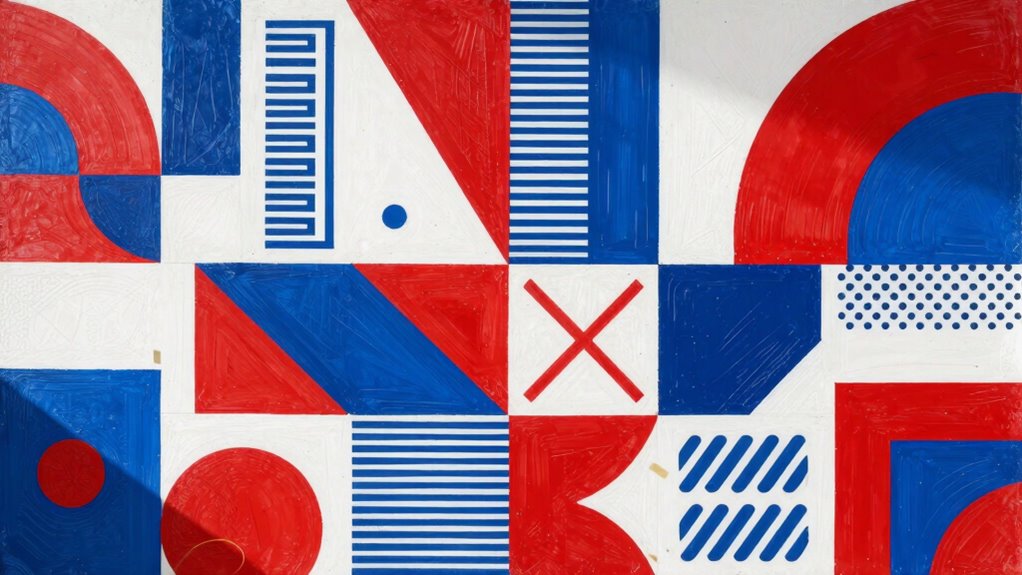
Creating impactful wall art isn’t just about picking pretty images; it’s about applying a proven formula that transforms blank walls into mesmerizing focal points. As a designer, you know that the magic lies in how the artwork interacts with the space. The first step is understanding that successful wall art relies heavily on color coordination. You want your pieces to complement the room’s palette, not clash or fade into the background. This means selecting colors that either contrast effectively to create visual interest or harmonize to produce a calming effect. When you choose a color scheme, consider the room’s existing hues, the mood you want to evoke, and the natural light that hits the walls. Using a dominant color complemented by accent shades helps maintain balance and cohesion, ensuring your art enhances the overall aesthetic rather than disrupting it.
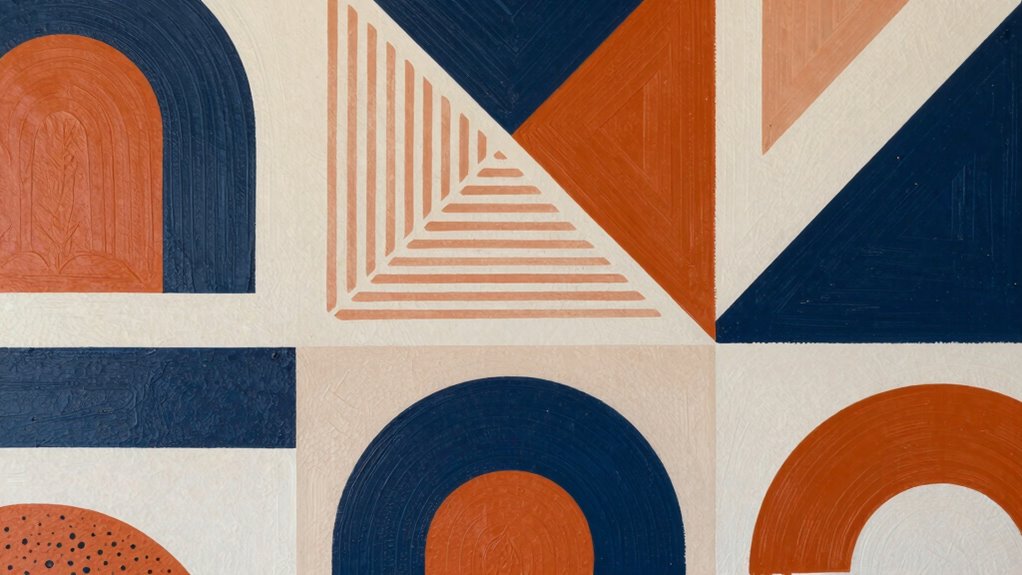
Next, texture blending plays a key role in elevating your wall art game. It’s not enough to rely on flat images; mixing different textures adds depth and dimension. You might incorporate tactile elements like fabric, wood, or metallic finishes alongside painted or printed pieces. This variety invites viewers to engage visually and physically, making the wall a dynamic part of the space. When blending textures, think about contrast and harmony—pair rough textures with smooth ones to create visual tension, but keep the overall composition balanced so it doesn’t feel chaotic. The goal is to build a layered look that guides the eye naturally across the wall, making the art feel integrated into the environment rather than just hung on it. Incorporating visual hierarchy helps emphasize key elements and directs focus effectively. Understanding how colors and textures interact in different lighting conditions can significantly impact the overall effect, helping you craft more intentional and compelling installations. Additionally, considering lighting conditions ensures your artwork looks its best at all times. Implementing these elements consistently is the core of the wall art formula designers rely on. Start by establishing your color coordination with the room’s existing scheme and then build your artwork around that foundation. Layer in textures thoughtfully, ensuring each element adds interest without overcrowding. Remember, the best wall art doesn’t just fill space; it transforms it. When you master the art of combining color coordination with texture blending, you create pieces that resonate, captivate, and elevate any interior. This approach isn’t just a trick—it’s a strategic method that turns ordinary walls into extraordinary showcases of your design expertise. Keep refining your understanding of how colors and textures work together, and your walls will always tell a compelling story.
wall art with color coordination
As an affiliate, we earn on qualifying purchases.
As an affiliate, we earn on qualifying purchases.
Frequently Asked Questions
How Do I Choose the Right Color Palette for Wall Art?
To choose the right color palette for wall art, focus on color harmony to create a balanced look. Think about the mood you want to enhance—calm, energizing, or sophisticated—and pick colors that support that vibe. Consider your room’s existing decor and natural light, and opt for shades that complement or contrast effectively. This approach guarantees your wall art elevates the space while conveying the desired atmosphere.
What Are Common Mistakes to Avoid With Wall Art Placement?
You should avoid poor frame placement, like hanging art too high or low, which disrupts the flow. Also, guarantee the art scale complements your space; oversized pieces can overwhelm, while small ones get lost. Pay attention to alignment and spacing, maintaining a balanced look. Never ignore wall proportions or clutter the area—these mistakes distract from the artwork’s impact and can make your space feel uncoordinated.
How Can I Personalize Wall Art to Fit My Space?
To personalize your wall art, incorporate personalized motifs that reflect your style and interests, making your space truly unique. Opt for custom framing to enhance the artwork’s presentation and guarantee it fits perfectly within your decor. Mix different sizes and styles of art, and consider adding meaningful photos or quotes. This approach creates a space that feels authentic and tailored specifically to you, making your walls a true reflection of your personality.
What Are Budget-Friendly Ways to Create Impactful Wall Decor?
You can create impactful wall decor on a budget by experimenting with framing techniques using inexpensive materials like washi tape or printable frames. Focus on bold wall art themes such as nature or abstract designs to make a statement. Reframe existing artwork or photos, arrange posters creatively, or DIY canvas art to add personality without breaking the bank. These simple strategies help you craft striking decor that transforms your space affordably.
How Often Should I Update or Change Wall Art in a Room?
You should update your wall art seasonally or whenever you feel the space needs a revitalized vibe. Incorporate gallery rotation to keep things interesting, swapping pieces out every few months. Seasonal updates are perfect for reflecting holidays or changing moods, while gallery rotation helps maintain a dynamic, curated look. Regularly invigorating your decor keeps your room lively and engaging, making it feel new without needing a full overhaul.
Conclusion
By mastering this wall art formula, you’ll consistently create mesmerizing spaces that resonate with your clients. Remember, incorporating a mix of sizes, textures, and focal points keeps the eye engaged. Did you know that rooms with thoughtfully curated wall art can increase perceived value by up to 12%? So, next time you’re designing, trust the formula—it’s your secret weapon for stunning, memorable interiors. Keep experimenting, and watch your creations come to life!