
To mix wood tones successfully, choose a dominant wood color like oak or walnut to anchor your space, and add secondary shades in lighter or darker variations for depth. Keep your palette cohesive by sticking within the same undertones or color family. Balance larger pieces in neutral tones and use textiles or wall colors to tie everything together. Thoughtful placement and lighting will enhance the harmony—if you want to learn more about creating a balanced, inviting room, stay tuned for tips.

Get everyday essentials delivered free — and shop member deals
- Fast, free delivery on millions of items
- Access to Prime Big Deal Days deals on October 6–7
- Prime Video, Amazon Music and more included
Key Takeaways
- Choose a dominant wood tone as an anchor to create a cohesive foundation.
- Mix similar or complementary wood shades within the same color family for harmony.
- Balance larger furniture pieces in neutral or dominant tones with smaller contrasting accents.
- Use textiles, rugs, and wall colors to visually connect different wood tones.
- Optimize lighting to enhance and unify the appearance of varied wood finishes.
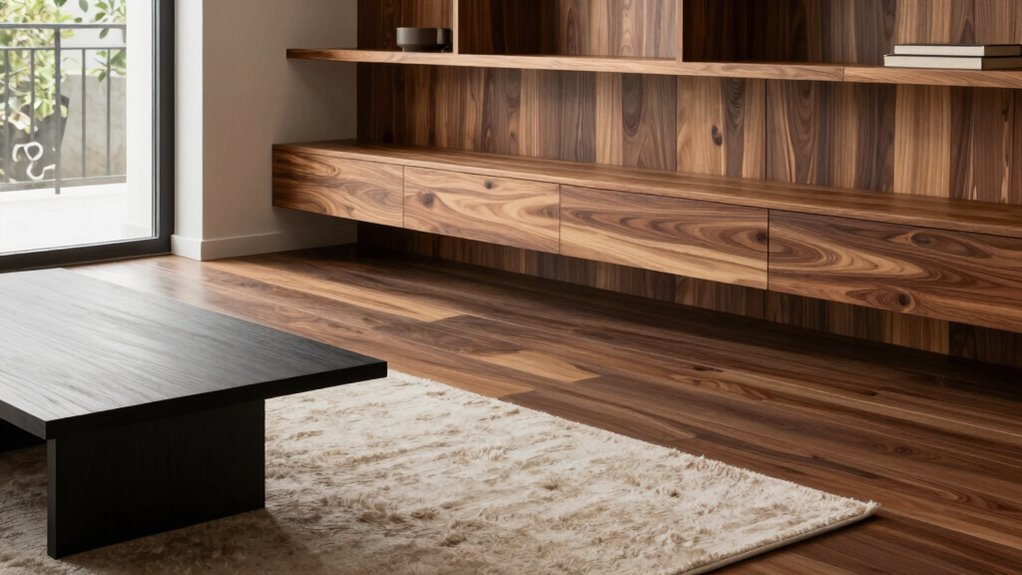
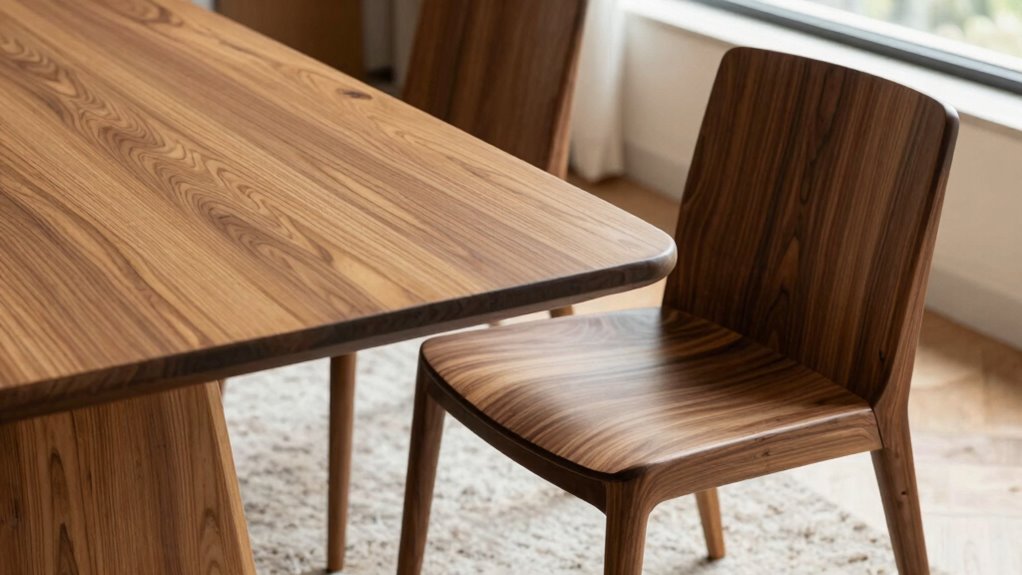
Mixing wood tones can add warmth and visual interest to your space, but it requires a bit of know-how to do it successfully. The key lies in understanding how to balance different shades so they complement each other rather than clash. When you’re working with multiple wood finishes, color coordination becomes your best friend. Think of it as creating a visual palette where each tone has a purpose and fits into a harmonious scheme. Start by choosing one dominant wood tone as the anchor—perhaps a rich oak or warm walnut—then introduce secondary tones that are either lighter or darker to add depth. Avoid pairing woods with wildly contrasting hues unless you’re aiming for a more eclectic look; instead, opt for tones within the same color family or those that share undertones. For example, pairing a honey-colored oak with a slightly darker maple creates a cohesive look that feels intentional.
Furniture placement plays a vital role in how these tones come together. Positioning pieces thoughtfully helps guide the eye and prevents the room from looking disjointed. Place larger items, like a sofa or a dining table, in the more neutral or dominant wood tone. Smaller pieces, such as side tables, chairs, or decorative accents, can then feature different wood shades to add variety without overwhelming the space. This arrangement helps your eye flow naturally from one element to another, emphasizing harmony rather than chaos. When arranging furniture, keep in mind that mixing woods doesn’t mean scattering various tones randomly; it’s about intentional placement that balances the overall aesthetic. Using color coordination techniques and incorporating rugs, textiles, or wall colors can bridge the gap between different wood shades, tying everything together visually. Additionally, understanding biodiversity principles can inspire eco-friendly choices in your interior design, such as selecting sustainably sourced woods that support conservation efforts. Incorporating visual flow principles can also help guide the eye seamlessly across different tones and textures. Furthermore, paying attention to the grain patterns of the woods can enhance visual interest and create a more layered, textured look.
Lighting also influences how your wood tones appear, so think about how natural and artificial light interacts with the different finishes. Good lighting can highlight the warmth of lighter woods or emphasize the richness of darker ones, making your color coordination more effective. Consider how lighting can be used to enhance the visual harmony of varying wood tones, ensuring they complement each other throughout the day. When you carefully plan furniture placement and pay attention to how the woods interact, you create a space that feels inviting and thoughtfully curated. Remember, mixing wood tones isn’t about matching everything perfectly—it’s about creating a layered look that’s dynamic yet balanced. With a little planning and an eye for detail, your room can showcase a beautiful, cohesive blend of woods that adds personality and warmth without feeling cluttered or mismatched.
As an affiliate, we earn on qualifying purchases.
Frequently Asked Questions
Can Mixing Wood Tones Make a Room Feel Smaller?
Mixing wood tones can make a room feel smaller if you don’t consider color coordination and texture contrast. Using similar shades keeps the space feeling cohesive, while contrasting textures adds visual interest without overwhelming the room. Be mindful of the placement and scale of different tones; balance lighter and darker woods strategically. This approach creates depth and warmth, preventing the room from feeling cramped or overly busy.
What Lighting Enhances Mixed Wood Tones Best?
Think of lighting as the brush that brings your wood tones to life. Natural finishes glow best under warm, soft sunlight, highlighting their richness and depth. Artificial lighting, like warm white LEDs, complements mixed wood tones by adding a cozy glow without washing out the colors. Use layered lighting to create balance, ensuring both natural and artificial light enhance your room’s warmth and texture, making your wood tones harmonize beautifully.
How Do I Balance Warm and Cool Wood Tones?
You balance warm and cool wood tones by focusing on grain contrast and tone harmony. Start by pairing woods with similar grain textures to create visual cohesion. Incorporate accent pieces that bridge the warmth and coolness, like rugs or accessories in neutral shades. Use lighting to enhance tone harmony, ensuring each wood’s unique grain stands out without clashing. This approach creates a balanced, inviting space that feels thoughtfully curated.
Are Certain Wood Types Better for Mixing?
Certain wood types are better for mixing, especially those with varied wood grain and finish types. For example, pairing oak with walnut works well because oak’s prominent grain contrasts nicely with walnut’s smooth finish. Mixing different finishes like matte and gloss can add depth. Opt for woods with complementary tones and textures, and balance warm and cool hues to keep the room cohesive. This approach helps create a harmonious, visually interesting space.
How Do I Update Mixed Wood Tones Over Time?
Think of updating your mixed wood tones like tending a garden. You can refresh your wood furniture by refinishing or staining it to match new pieces, gradually creating harmony. When your floor needs a facelift, consider refinishing to blend seamlessly with existing tones. Over time, small tweaks, like swapping out accessories or adding a new finish, help keep your space cohesive and fresh, ensuring your room remains inviting and well-balanced.
Conclusion
Think of your room as a symphony, each wood tone a different instrument. When they harmonize, the room sings with warmth and style. Trust your instincts, balance the light and dark, and let your unique rhythm guide you. With a little patience, your space will become a beautiful melody of contrasting yet cohesive woods—an inviting sanctuary where every piece plays its part perfectly.
Fall Picks
fall essentials
As an affiliate, we earn on qualifying purchases.