
TL;DR
Open a free Amazon Business account
Business pricing, bulk buying and tax-exempt orders.
Create a free accountAs an affiliate, we earn on qualifying purchases.
Former President Donald Trump announced pardons for individuals prosecuted for pollution violations linked to car repairs. The move aims to free those accused of ‘fixing their car’ but raises legal and environmental questions. The development is confirmed but its broader implications remain uncertain.
Former President Donald Trump announced that he will issue pardons for individuals prosecuted for pollution violations related to car repairs. The move, which has generated widespread attention, aims to free those accused of ‘fixing their car’ to evade environmental regulations. This development is notable because it marks a direct intervention in ongoing environmental enforcement efforts.
Trump’s announcement was made via a social media post and a subsequent statement, where he claimed that many pollution violations related to car repairs are unjust or overly punitive. He stated that these individuals were unfairly targeted for minor infractions such as tampering with emissions controls or altering vehicle systems to improve performance. The pardons are expected to cover a range of cases prosecuted under federal environmental laws, specifically those involving vehicle emissions.
Legal experts confirm that the pardons, once issued, would nullify ongoing or potential legal actions against these individuals, effectively absolving them of criminal liability. The move has attracted criticism from environmental groups and some lawmakers, who argue it undermines pollution control efforts. Conversely, supporters say it corrects overreach in enforcement and protects individual rights.
Implications for Environmental Enforcement and Policy
This decision could significantly weaken federal efforts to enforce pollution laws, particularly those aimed at reducing vehicle emissions. Critics warn it may set a precedent for lax regulation and encourage illegal tampering with vehicle systems. Supporters argue it addresses unfair prosecutions for minor infractions and restores individual rights. The move also has political implications, highlighting divisions over environmental regulation and law enforcement priorities.As an affiliate, we earn on qualifying purchases.
Background on Pollution Violations and Car Repair Laws
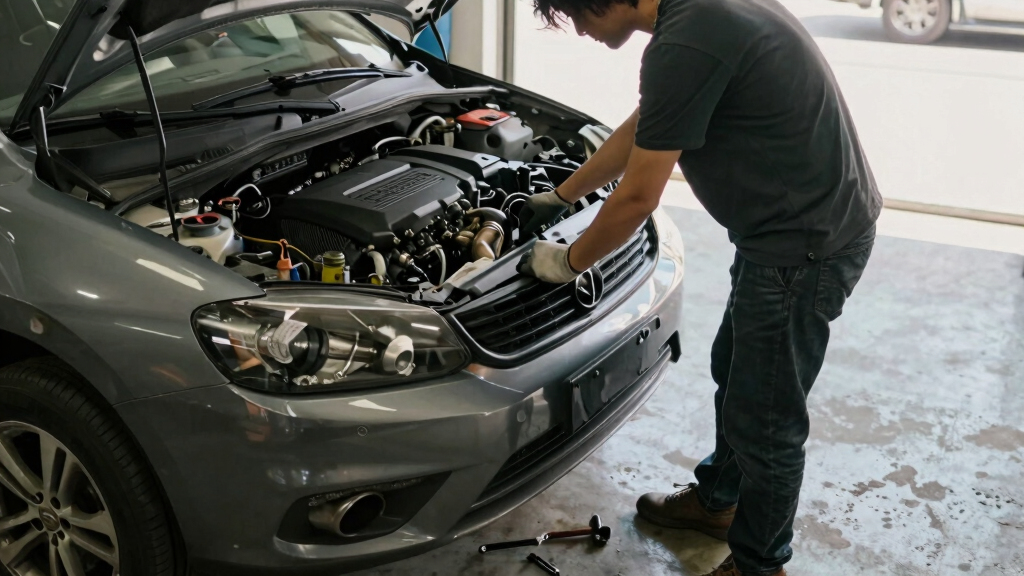
Federal environmental laws, including the Clean Air Act, prohibit tampering with vehicle emissions systems. Enforcement agencies have prosecuted thousands of individuals for illegal modifications, often involving tampering with catalytic converters or emissions control devices. These cases typically involve minor modifications aimed at improving vehicle performance or fuel efficiency, but they violate federal standards.
In recent years, enforcement has increased, with some cases resulting in criminal charges and fines. The issue has become politically contentious, with some arguing that strict enforcement harms small car repair shops and individual car owners, while others emphasize the importance of reducing pollution and protecting public health. Trump’s announcement appears to challenge this enforcement approach directly.
“These pardons will correct a system that unfairly targets everyday Americans for minor vehicle modifications.”
— Trump campaign spokesperson
Legal and Environmental Impact Still Unclear
It is not yet clear how many individuals will be pardoned or the scope of the presidential action. The legal process for issuing pardons involves specific procedures, and it remains uncertain whether all targeted cases will be affected. Additionally, the broader environmental impact of these pardons, including potential increases in illegal tampering, is still being evaluated by experts and regulators.
Next Steps in Enforcement and Political Response
Legal analysts expect formal pardon documents to be issued in the coming weeks. Environmental agencies may review their enforcement strategies in light of the pardons, and lawmakers are likely to debate the move’s legality and implications. Public reactions, including protests from environmental groups and political opponents, are also anticipated.
Key Questions
What specific cases will be affected by these pardons?
The exact cases affected have not been publicly detailed. The pardons are expected to cover individuals prosecuted for minor pollution violations related to car repairs, but the full scope remains unclear until official documents are issued.
No, the pardons are targeted at specific cases as announced by Trump. They do not automatically cover all violations but are limited to those prosecuted under federal law for ‘fixing’ vehicles to evade emissions standards.
How might this affect future enforcement actions?
The pardons could signal a shift in enforcement priorities, possibly leading to reduced prosecutions for similar violations. However, legal challenges and policy decisions will influence future actions.
What are the legal grounds for issuing these pardons?
As president, Trump has the constitutional authority to pardon federal offenses. The specifics of the legal justification depend on the cases involved and the nature of the violations.
Source: google-trends
Labor Day sales Picks
labor day deals
As an affiliate, we earn on qualifying purchases.