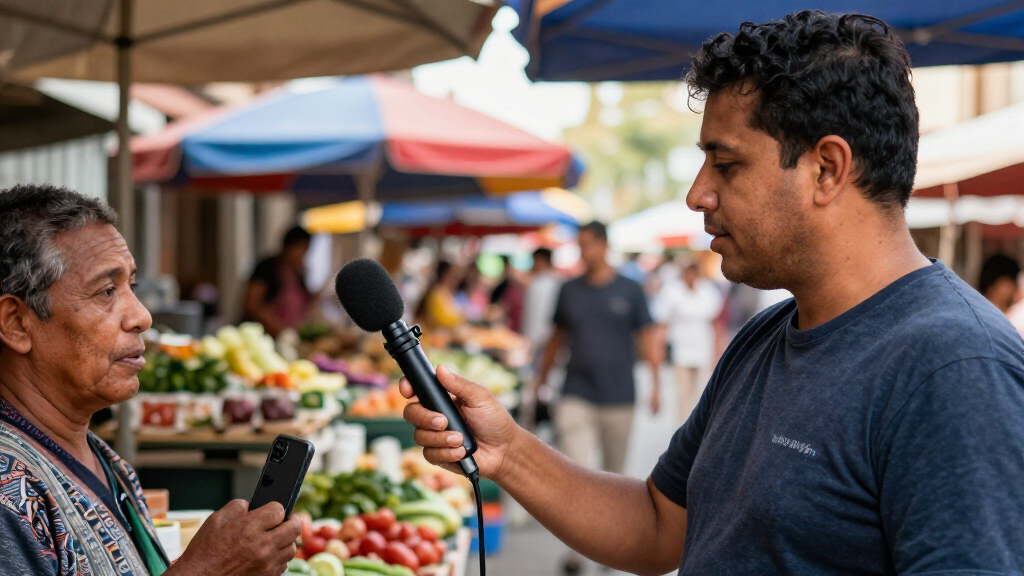
For a portable podcast microphone that can handle interviews and location recording, I’d start with the DJI Mic 3 for its two transmitters, receiver, and charging case. The Maono PD200W stands out if you want a dynamic podcast mic with wireless, USB, and XLR options, while the DJI Mic Mini is a simpler compact choice for creators who record on a phone. The tradeoff is between easy clip-on mobility and the fuller desk-mic setup some hosts prefer. I compare connection types, solo and two-person recording needs, portability, and setup flexibility below. Read on for the full breakdown and a pick matched to your recording style.

Get everyday essentials delivered free with Prime
- Fast, free delivery on millions of items
- Prime Video, Amazon Music and more included
- Member-only deals all year
Complete the kit



Key Takeaways
- DJI Mic 3 is the most complete mobile interview kit here, pairing two transmitters with a receiver and charging case; its multi-piece setup is more involved than a single phone lavalier.
- Maono PD200W is the lineup’s most flexible podcast-style option, with wireless, USB, and XLR connections, though its dynamic mic format is less pocketable than clip-on systems.
- The DJI Mic Mini kits suit creators who prioritize a compact wireless workflow, while the similar model configurations make checking the included receiver and case especially important.
- Among the inexpensive-style lavalier formats, several picks offer phone-first convenience, but a bundled two-mic kit such as KUKIHO is better aligned with recording two speakers than a single-transmitter setup.
- The FIFINE AM8, Samson Meteor Mic, and Blue Yeti are desk-oriented USB or hybrid microphones; they can travel, but they do not clip onto a speaker like wireless lavaliers.
| Mini Mic Pro Wireless Lavalier Microphone for iPhone and Android | 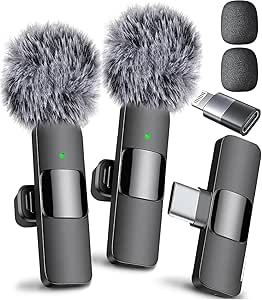 | Best for Quick Phone Interviews | Microphone type: Omnidirectional lavalier | Connectivity: Wireless, 2.4 GHz | Connectors: Lightning and USB Type-C | VIEW LATEST PRICE | See Our Full Breakdown |
| FIFINE AmpliGame AM8 USB/XLR Dynamic Microphone |  | Best for a Growing Desk Setup | Microphone type: Dynamic | Polar pattern: Unidirectional cardioid | Connectivity: USB and XLR | VIEW LATEST PRICE | See Our Full Breakdown |
| Samson Meteor Mic USB Condenser Microphone |  | Best Compact USB Desktop Mic | Connectivity: USB | Diaphragm: 25 mm | Resolution: 16-bit, 44.1/48 kHz | VIEW LATEST PRICE | See Our Full Breakdown |
| MAYBESTA Wireless Lavalier Microphone for iPhone and Android |  | Best for Simple Two-Person Phone Recording | Microphone type: Mini lavalier, omnidirectional | Connectivity: Wireless, 2.4 GHz | Connectors: Lightning and USB Type-C | VIEW LATEST PRICE | See Our Full Breakdown |
| GoorDik Wireless USB-C Lavalier Microphone Kit |  | Best for Longer Two-Person Recordings | Microphone type: Omnidirectional lavalier | Connectivity: Wireless | Transmitters: 2 | VIEW LATEST PRICE | See Our Full Breakdown |
| KUKIHO 2-Pack Wireless Lavalier Microphones for iPhone, iPad, and Android |  | Best for Simple Two-Person Recordings | Microphone type: Lavalier | Microphones included: 2 | Connectivity: 2.4 GHz wireless | VIEW LATEST PRICE | See Our Full Breakdown |
| NPTCL Wireless Lavalier Microphone for iPhone, iPad, and Android |  | Best for Two-Person Sessions with Case-Powered Runtime | Microphone type: Lavalier | Microphones included: 2 | Connector: USB Type-C; Lightning devices supported | VIEW LATEST PRICE | See Our Full Breakdown |
| Logitech Blue Yeti USB Microphone with Blue VO!CE, Four Pickup Patterns, Blackout | 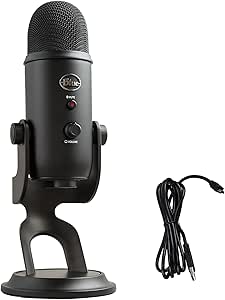 | Best for a Portable Desk Setup | Connectivity: USB | Pickup patterns: Cardioid, omnidirectional, bidirectional, stereo | Microphone array: Three-capsule | VIEW LATEST PRICE | See Our Full Breakdown |
| wedaniya Wireless Mini Lavalier Microphones, 2-Pack with USB-C and Lightning Receivers |  | Best Compact Pick for Mixed Devices | Microphones: 2 transmitters | Connectors: USB-C and Lightning | Battery life: Up to 6 hours | VIEW LATEST PRICE | See Our Full Breakdown |
| DJI Mic Mini Wireless Microphone Kit with 2 Transmitters, Receiver, and Charging Case | 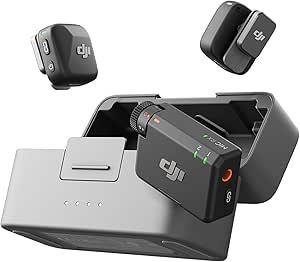 | Best for Long-Range Mobile Recording | Transmitters included: 2 | Transmitter weight: 10 g | Maximum transmission range: 400 m | VIEW LATEST PRICE | See Our Full Breakdown |
| DJI Mic Mini Wireless Microphone (2 Transmitters + Mobile Receiver) |  | Best Lightweight Two-Person Kit | Transmitter weight: 10 g | Maximum transmission range: 300 m | Maximum operating time: 11.5 hours | VIEW LATEST PRICE | See Our Full Breakdown |
| Labstandard Dual Wireless Lavalier Microphone Set for iPhone and USB-C Devices |  | Best Basic Phone Interview Set | Microphone type: Omnidirectional lavalier | Channels: 2 | Connectors: Lightning and USB Type-C | VIEW LATEST PRICE | See Our Full Breakdown |
| DJI Mic 3 Wireless Microphone System with 2 Transmitters, 1 Receiver, and Charging Case |  | Best Premium Recording Control | Transmitters: 2 included; receiver supports up to 4 | Receivers: 1 included; system supports up to 8 | Audio recording: Dual-file 32-bit float internal recording | VIEW LATEST PRICE | See Our Full Breakdown |
| ZealSound K66 USB Podcast Microphone with Noise Reduction, Gain, Echo, Volume, and Mute Controls |  | Best Compact USB Desk Setup | Microphone type: Condenser | Pickup pattern: Cardioid | Frequency response: 40 Hz–18 kHz | VIEW LATEST PRICE | See Our Full Breakdown |
| Maono PD200W Hybrid Wireless Podcast Microphone – Dynamic XLR/USB |  | Best Hybrid Studio-to-Field Pick | Connectivity: USB, wireless, and XLR | Microphone form factor: Dynamic | Polar pattern: Unidirectional (cardioid) | VIEW LATEST PRICE | See Our Full Breakdown |
| portable podcast microphone | Connectivity | Microphone type |
|---|---|---|
| Mini Mic Pro Wireless Lavalier | Wireless, 2.4 GHz | Omnidirectional lavalier |
| FIFINE AmpliGame AM8 USB/XLR D | USB and XLR | Dynamic |
| Samson Meteor Mic USB Condense | USB | — |
| MAYBESTA Wireless Lavalier Mic | Wireless, 2.4 GHz | Mini lavalier, omnidirectional |
| GoorDik Wireless USB-C Lavalie | Wireless | Omnidirectional lavalier |
| KUKIHO 2-Pack Wireless Lavalie | 2.4 GHz wireless | Lavalier |
| NPTCL Wireless Lavalier Microp | — | Lavalier |
| Logitech Blue Yeti USB Microph | USB | — |
| wedaniya Wireless Mini Lavalie | — | — |
| DJI Mic Mini Wireless Micropho | Bluetooth, DJI OsmoAudio, USB Type-C | — |
| DJI Mic Mini Wireless Micropho | — | — |
| Labstandard Dual Wireless Lava | Bluetooth | Omnidirectional lavalier |
| DJI Mic 3 Wireless Microphone | — | — |
| ZealSound K66 USB Podcast Micr | USB with USB-C and Lightning adapters | Condenser |
| Maono PD200W Hybrid Wireless P | USB, wireless, and XLR | — |
More Details on Our Top Picks
Mini Mic Pro Wireless Lavalier Microphone for iPhone and Android
For a podcast recorded on a phone, the Mini Mic Pro keeps setup simple: its receiver connects through the included USB-C and Lightning adapters, with no app or Bluetooth pairing listed. Two lavaliers make it practical for a host and guest, while the included foam tips and furry windscreens help when recording outside. Compared with the Samson Meteor Mic, this kit is easier to clip on and move around with, but the Meteor is better suited to a desk setup with headphone monitoring and computer recording. The Mini Mic Pro’s main limit is its up to six-hour battery life, so long sessions may need a charging break. It is a focused choice for short mobile conversations, not a flexible studio replacement.
Pros:- Includes USB-C and Lightning adapters for compatible devices
- Two lavalier microphones support host-and-guest recording
- Foam tips and furry windscreens are included
- Plug-and-play setup does not require an app or Bluetooth
Cons:- Battery life is limited to up to six hours per charge
- Listed compatibility does not specify other connector types
Best for: Phone-first podcasters who record short interviews with one guest and need both Lightning and USB-C connections.
Not ideal for: Creators recording long sessions or needing desktop headphone monitoring, since the listed battery runtime is up to six hours and no headphone jack is specified.
- Microphone type:Omnidirectional lavalier
- Connectivity:Wireless, 2.4 GHz
- Connectors:Lightning and USB Type-C
- Included microphones:2 lavalier microphones
- Battery life:Up to 6 hours per charge
- Weight:80 g
- Dimensions:3 × 0.5 × 0.25 inches
Our verdict“Choose the Mini Mic Pro for straightforward phone interviews with two people, provided its six-hour runtime fits your recording schedule.”
FIFINE AmpliGame AM8 USB/XLR Dynamic Microphone
The FIFINE AmpliGame AM8 suits a podcaster who records at a desk now and wants the option to move to an XLR setup later. In USB mode, headphone monitoring, tap-to-mute, and volume controls make the basic recording workflow easier to manage; XLR adds connection flexibility, though it needs a separate cable and disables the lighting and function keys. Its cardioid pickup is aimed at the speaker, which can help keep some surrounding sound out when the mic is placed close. Compared with the Samson Meteor Mic, the AM8 is the more upgrade-friendly dynamic option, while the Meteor is more portable as a standalone USB condenser. The AM8 also calls for a close speaking position of about two to six inches, which can feel restrictive for animated or mobile recording.
Pros:- USB and XLR connectivity support different desk setups
- USB mode includes headphone monitoring and volume controls
- Tap-to-mute function is available in USB mode
- Cardioid pattern focuses pickup toward the speaker
Cons:- XLR cable is not included
- RGB lighting and function keys are unavailable in XLR mode
- Suggested speaking distance of two to six inches limits movement
Best for: Desk-based podcasters who want USB controls now and an XLR connection option for a later audio-chain upgrade.
Not ideal for: People who record while moving around or want an included XLR cable, since the AM8 is corded and the cable is sold separately.
- Microphone type:Dynamic
- Polar pattern:Unidirectional cardioid
- Connectivity:USB and XLR
- Frequency response:50 Hz–16 kHz
- Signal-to-noise ratio:80 dB
- Channels:1
- Stand threads:3/8 in and 5/8 in
- Power source:Corded electric
Our verdict“Pick the AM8 if you want a close-speaking desk mic with USB convenience and an eventual XLR path.”
Samson Meteor Mic USB Condenser Microphone
The Samson Meteor Mic is a portable desktop-style choice for someone who wants a direct USB connection to a Mac or PC without installing drivers. Its 25 mm condenser diaphragm and 20 Hz–20 kHz frequency range make it a different fit from the clip-on lavaliers in this roundup: it stays on a table, so the speaker needs to stay near it, but there is no wireless transmitter to charge. The stereo headphone jack supports latency-free monitoring, a useful feature absent from the listed Mini Mic Pro details. Compared with the FIFINE AmpliGame AM8, the Meteor keeps a simpler USB workflow and is lighter on configuration, while the AM8 offers XLR for a more expandable desk setup. The Meteor is less convenient with Apple mobile devices, which need an optional adapter, and it records one channel.
Pros:- Connects to Mac and PC without additional drivers
- Stereo headphone jack supports latency-free monitoring
- Metal enclosure and compact desktop form
- Can connect to iPhone and iPad with an optional adapter
Cons:- Apple mobile connection requires an optional adapter
- Records through a single audio channel
- Desktop form is less suited to hands-free or moving interviews
Best for: Solo podcasters who record at a Mac or PC and want a portable USB mic with direct headphone monitoring.
Not ideal for: Mobile interviewers who need wireless clip-on microphones or Apple-device users unwilling to obtain an optional adapter.
- Connectivity:USB
- Diaphragm:25 mm
- Resolution:16-bit, 44.1/48 kHz
- Polar pattern:Unidirectional
- Frequency range:20 Hz–20 kHz
- Headphone jack:Stereo 1/8-inch
- Weight:420 g
- Channels:1
Our verdict“Choose the Meteor Mic for solo USB podcasting at a computer when direct headphone monitoring matters more than wireless mobility.”
MAYBESTA Wireless Lavalier Microphone for iPhone and Android
The MAYBESTA WM356-1 is aimed at phone users who want two clip-on mics and a quick start: its receiver supports Lightning and USB-C, and the system is described as automatically pairing. That makes it more direct for a two-person mobile conversation than the single desktop-style Samson Meteor Mic. Noise reduction and included sponge tips are intended to help with speech in less controlled surroundings, though the product data does not specify a wireless range or battery runtime. That missing information makes it harder to plan outdoor walks or longer episodes than with the GoorDik Wireless USB-C Lavalier Microphone Kit, which lists both. MAYBESTA’s longer warranty terms may appeal to cautious buyers, but its listed audio noise figure is 70 dB, so I would compare sample sound before relying on it for especially quiet recordings.
Pros:- Receiver supports Lightning and USB-C phones
- Two lavalier microphones are included
- Automatic pairing and plug-and-play operation simplify setup
- Noise reduction and sponge windscreens are included
Cons:- No specific wireless range is provided
- No battery runtime is listed
- Listed audio noise is 70 dB
Best for: New phone-based hosts who need two lavaliers for short conversations and want a receiver for Lightning or USB-C devices.
Not ideal for: Podcasters planning long or roaming sessions who need a stated battery runtime and wireless range before recording.
- Microphone type:Mini lavalier, omnidirectional
- Connectivity:Wireless, 2.4 GHz
- Connectors:Lightning and USB Type-C
- Included microphones:2 lavalier microphones
- Signal-to-noise ratio:80 dB
- Audio noise:70 dB
- Impedance:2200 ohm
- Warranty:120-day refund policy, 18-month free replacement, 2-year comprehensive warranty
Our verdict“The MAYBESTA is a straightforward dual-mic phone kit for short sessions, but buyers who need predictable range and runtime should favor a kit with those figures listed.”
GoorDik Wireless USB-C Lavalier Microphone Kit
For mobile podcasting where a host and guest need room to move, the GoorDik kit has the clearest practical edge: it includes two transmitters, claims up to 30 meters of range, and lists six to twelve hours of use per transmitter. Those figures make planning easier than with the MAYBESTA, whose range and runtime are unspecified. The included USB-C receiver and Lightning adapter also cover common phone connections, while foam covers and furry windscreens give more options for managing wind. There is a setup tradeoff: some Android phones may need OTG enabled, and computers may require a manual input change. Its 65 dB signal-to-noise ratio is a specification to weigh against the Mini Mic Pro’s simpler plug-and-play pitch; GoorDik is better equipped for longer, more mobile sessions, but may ask more of the user at setup.
Pros:- Two transmitters support host-and-guest recording
- Listed wireless range reaches up to 30 meters
- Battery life is listed at six to twelve hours per transmitter
- USB-C receiver and Lightning adapter are included
Cons:- Some Android phones may require OTG activation
- Computers may require a manual audio-input change
- Listed signal-to-noise ratio is 65 dB
Best for: Two-person mobile podcast teams recording longer interviews on USB-C or Lightning devices who need a stated range and runtime.
Not ideal for: Users who need guaranteed plug-and-play behavior across Android phones and computers without changing settings.
- Microphone type:Omnidirectional lavalier
- Connectivity:Wireless
- Transmitters:2
- Wireless range:Up to 30 meters
- Battery life:6–12 hours per transmitter
- Battery capacity:60 mAh per transmitter
- Frequency response:20–20,000 Hz
- Weight:70 g
Our verdict“Choose GoorDik for two-person mobile recordings that benefit from a stated longer range and runtime, if you are comfortable checking device settings.”
KUKIHO 2-Pack Wireless Lavalier Microphones for iPhone, iPad, and Android
Two clip-on microphones make the KUKIHO a practical pick for a mobile interview or a two-person podcast recorded on a phone. Its plug-and-play receiver avoids Bluetooth pairing and an app, so setup is simpler than with a desktop option such as the Logitech Blue Yeti. The receiver can also charge a connected phone, which helps when a recording runs alongside other phone use. Omnidirectional pickup suits speakers who move naturally, while noise reduction may help manage some surrounding sound. The tradeoff is endurance: each charge lasts up to four hours, less than the NPTCL set’s stated six hours per microphone and case-supported combined use. Its 66-foot range also assumes an unobstructed space. I’d choose it for short, straightforward conversations, not long sessions away from a charger.
Pros:- Includes two microphones for recording two speakers
- Plug-and-play setup without Bluetooth pairing or an app
- Receiver can charge a connected phone during use
- Omnidirectional pickup and noise reduction suit mobile conversations
Cons:- Up to four hours of use per charge limits longer recording sessions
- The stated 66-foot range requires an unobstructed environment
Best for: Phone-based interviewers who need two clip-on mics for short, nearby recordings and want a simple receiver setup.
Not ideal for: Podcasters recording long sessions or moving through obstructed spaces, since battery life is up to four hours and the stated range assumes a clear path.
- Microphone type:Lavalier
- Microphones included:2
- Connectivity:2.4 GHz wireless
- Connector:USB Type-C
- Pickup pattern:Omnidirectional
- Working time:Up to 4 hours
- Transmission range:Up to 66 feet in unobstructed environments
- Charging time:1.5 hours
Our verdict“Choose the KUKIHO for simple, short two-person phone recordings; pick a longer-running set for extended sessions.”
NPTCL Wireless Lavalier Microphone for iPhone, iPad, and Android
For phone-based conversations that may stretch beyond a single charge, the NPTCL’s charging case gives this two-mic set a practical advantage: up to 24 hours of combined use is stated with the case. Each microphone runs up to six hours, which also outlasts the KUKIHO’s four-hour claim per charge. Automatic connection without an app or Bluetooth keeps setup straightforward, and the windscreen covers offer an extra layer of help when recording outside. Its omnidirectional pickup can capture both speakers without aiming a mic precisely. The tradeoff is that this remains a phone-oriented lavalier setup, unlike the Blue Yeti, which offers several pickup patterns for a stationary desk. Lightning users may also need the included adapter for older iPhones. I’d favor the NPTCL when mobile interviews and charging between sessions matter more than desk controls.
Pros:- Two microphones support simultaneous recording from two speakers
- Charging case provides up to 24 hours of combined use
- Automatic connection works without an app or Bluetooth
- Windscreen covers and noise reduction can help with outdoor recording
Cons:- Each microphone runs for up to six hours per charge
- Older iPhones may need the included Lightning adapter
Best for: Mobile interviewers recording two people on USB-C or Lightning devices who want a charging case for repeated sessions.
Not ideal for: Desk podcasters who want onboard controls and multiple pickup patterns, or users who need each mic to run beyond six hours without recharging.
- Microphone type:Lavalier
- Microphones included:2
- Connector:USB Type-C; Lightning devices supported
- Pickup pattern:Omnidirectional
- Battery life per microphone:Up to 6 hours
- Combined use with charging case:Up to 24 hours
- Wireless range:Up to 70 feet
- Signal-to-noise ratio:80 dB
Our verdict“Pick the NPTCL for repeat two-person mobile recordings where the charging case matters more than desk-based controls.”
Logitech Blue Yeti USB Microphone with Blue VO!CE, Four Pickup Patterns, Blackout
The Blue Yeti suits podcasters who can carry a desktop-style setup and want more control over how a room is captured. Its four pickup patterns cover solo speech, two-person face-to-face recording, group conversation, and stereo content; that flexibility sets it apart from the single-pattern lavaliers here, including the KUKIHO. Onboard gain, mute, and pattern controls, plus headphone monitoring, make adjustments accessible while recording. The cost of that control is mobility: this is a corded USB microphone with a desktop stand, so it needs a stable surface and a connected computer or compatible device. It also won’t clip discreetly to a speaker like the DJI Mic Mini. Logitech G HUB is required for full functionality. I’d choose it for a home or travel desk where pattern choice matters more than walking-and-talking portability.
Pros:- Four pickup patterns adapt to solo, two-person, group, and stereo recording
- Onboard gain, mute, and pattern controls are easy to reach
- Real-time headphone monitoring supports live listening
- USB setup includes an adjustable desktop stand
Cons:- Corded USB connection limits placement and movement
- Full functionality requires Logitech G HUB
- Desktop stand is less discreet and portable than a clip-on lavalier
Best for: Solo podcasters and small show hosts who bring a stable desk setup and want several ways to capture voices.
Not ideal for: Interviewers recording while walking, or creators who need a wearable mic and untethered placement.
- Connectivity:USB
- Pickup patterns:Cardioid, omnidirectional, bidirectional, stereo
- Microphone array:Three-capsule
- Frequency response:20 Hz–20 kHz
- Channels:2
- Signal-to-noise ratio:100 dB
- Enclosure material:Metal
- Power source:Corded electric
Our verdict“Choose the Blue Yeti for a portable desk-based podcast setup when recording control outweighs wearable convenience.”
wedaniya Wireless Mini Lavalier Microphones, 2-Pack with USB-C and Lightning Receivers
At under one ounce, the wedaniya pair is aimed at creators who want a minimal kit to clip on and carry between phone setups. Its included USB-C and Lightning receivers make it more adaptable across supported devices than the USB-C KUKIHO, while plug-and-play operation avoids app installation and Bluetooth pairing. Noise reduction, windshields, and real-time headphone monitoring add useful recording options in a small package. The standard, reverb, and mute modes also give creators a few ways to shape or manage a take. Compared with the NPTCL, however, the wedaniya set lists up to six hours per charge but no charging case for extended combined runtime. Its broad connector options still depend on the device having a supported port. I’d pick it for compact travel and mixed-device use, not for long sessions between charges.
Pros:- Includes USB-C and Lightning receivers for compatible devices
- Two transmitters weigh under one ounce each
- Supports real-time headphone monitoring and standard, reverb, and mute modes
- Includes deadcat and sponge covers for the microphones
Cons:- Up to six hours of battery life requires charging between longer sessions
- Compatibility depends on having a supported USB-C or Lightning connection
Best for: Mobile creators who switch between supported USB-C and Lightning phones or tablets and want a very light two-mic kit.
Not ideal for: Podcasters who record long sessions away from charging, or those whose equipment lacks a supported USB-C or Lightning connection.
- Microphones:2 transmitters
- Connectors:USB-C and Lightning
- Battery life:Up to 6 hours
- Charging time:About 1 hour
- Weight:Under 1 oz
- Frequency:4.8 GHz
- Recording modes:Standard, reverb, mute
- Included accessories:Receiver, portable bag, 2 deadcat covers, 2 sponge covers
Our verdict“Choose the wedaniya set for a lightweight kit that can move between supported USB-C and Lightning devices.”
DJI Mic Mini Wireless Microphone Kit with 2 Transmitters, Receiver, and Charging Case
The DJI Mic Mini is the strongest fit here for creators who need to move farther from their recording device. Its stated 400 m transmission range exceeds the 66- to 70-foot claims of the KUKIHO and NPTCL, while the charging case offers up to 48 hours of battery life. Two 10 g transmitters keep the kit light for interviews, livestreams, and travel shoots. Two noise-cancellation levels and automatic audio limiting give creators controls intended to reduce distractions and sudden loud peaks. That reach and endurance bring a more involved kit than a simple phone receiver-and-lavalier pair; this set includes a receiver and supports camera and smartphone use. It is not waterproof, and direct Osmo Mobile connection has a specific first-generation module requirement. I’d choose it for mobile production where range and repeated use outweigh minimal setup.
Pros:- Two transmitters weigh 10 g each
- Charging case provides up to 48 hours of battery life
- Stated transmission range reaches up to 400 m
- Two noise-cancellation levels and automatic audio limiting are included
Cons:- Not waterproof
- Direct Osmo Mobile connection requires the first-generation DJI OM Multifunctional Module
Best for: Mobile interviewers and video creators who need two lightweight transmitters, broad stated range, and case-supported runtime.
Not ideal for: Creators recording in wet conditions or buyers seeking the simplest possible phone-only lavalier connection.
- Transmitters included:2
- Transmitter weight:10 g
- Maximum transmission range:400 m
- Sampling rate:48 kHz
- Maximum sound pressure level:120 dB SPL
- Battery life with charging case:Up to 48 hours
- Connectivity:Bluetooth, DJI OsmoAudio, USB Type-C
- Compatible devices:Camera, smartphone
Our verdict“Pick the DJI Mic Mini kit when long-range movement and case-supported runtime are priorities for mobile recording.”
DJI Mic Mini Wireless Microphone (2 Transmitters + Mobile Receiver)
The DJI Mic Mini makes the most sense when two people need to record away from a desk: its 10 g transmitters clip on lightly, and the mobile receiver connects the system to compatible phones. Its stated range of up to 300 m offers room to move during an outdoor interview, while two noise cancellation levels and automatic limiting can help manage changing surroundings and sudden loudness. Compared with the more feature-rich DJI Mic 3, this kit is simpler and lists less onboard recording control, but its light transmitters suit creators who value an unobtrusive setup. The tradeoffs are the lack of waterproofing and a compatibility wrinkle: connection to Osmo Mobile series devices requires a first-generation DJI OM Multifunctional Module. Check phone and accessory compatibility before choosing it.
Pros:- Two 10 g transmitters are light to wear during interviews.
- Up to 300 m stated transmission range supports recording with distance between speakers and receiver.
- Basic and Strong noise cancellation levels offer options for different surroundings.
- Automatic audio limiting can help control unexpectedly loud peaks.
Cons:- The transmitters are not waterproof.
- Osmo Mobile series connection requires a first-generation DJI OM Multifunctional Module.
- The listing specifies 48 kHz, 24-bit audio via supported OsmoAudio devices, so buyers should check whether that format applies to their setup.
Best for: Mobile podcasters recording two-person interviews on compatible phones who want light clip-on transmitters and room to move.
Not ideal for: Creators recording in wet conditions or relying on an Osmo Mobile setup without the required first-generation Multifunctional Module.
- Transmitter weight:10 g
- Maximum transmission range:300 m
- Maximum operating time:11.5 hours
- Noise cancellation:Basic and Strong levels
- Audio format:48 kHz, 24-bit via supported OsmoAudio devices
- Connector:USB Type-C
- Polar pattern:Omnidirectional
- Included components:Two transmitters, one mobile receiver, and accessories
Our verdict“Choose the DJI Mic Mini if you need a light two-person wireless kit for compatible mobile recording and can work around its device and weather limits.”
Labstandard Dual Wireless Lavalier Microphone Set for iPhone and USB-C Devices
The Labstandard dual lavalier set is a straightforward pick for phone-based conversations with two speakers: it includes two microphones and supports both Lightning and USB-C devices with the included adapter. Its stated latency of 0.008 seconds is aimed at keeping recorded speech aligned with the picture, and noise reduction may help with everyday background sounds. Compared with the DJI Mic Mini, this set gives less detail about range, recording formats, and noise-control options, so it is harder to judge for demanding field sessions. The claimed battery life is about six hours, shorter than the DJI Mic Mini’s listed 11.5 hours. Compatibility details are described as unclear or inconsistent, and charging time is not specified; buyers should confirm their device connection before relying on it for a scheduled recording.
Pros:- Two wireless lavalier microphones support two-speaker recordings.
- Lightning and USB Type-C connectors cover a range of phone and tablet ports.
- Omnidirectional pickup captures voices from more than one direction.
- Stated latency is 0.008 seconds for audio syncing.
Cons:- About six hours of battery life is less than the DJI Mic Mini’s stated 11.5 hours.
- Some compatibility details are unclear or inconsistent.
- Charging time and transmission range are not specified.
Best for: Phone-first hosts recording short two-person interviews who need Lightning and USB-C connection options.
Not ideal for: Creators planning long field sessions or requiring clearly documented device compatibility, range, and charging details.
- Microphone type:Omnidirectional lavalier
- Channels:2
- Connectors:Lightning and USB Type-C
- Battery life:About 6 hours
- Latency:0.008 seconds
- Connectivity:Bluetooth
- Weight:0.05 kg
- Dimensions:4.5 x 3.3 x 0.7 inches
Our verdict“Choose this set for short two-person phone interviews if its adapter and compatibility details match your device.”
DJI Mic 3 Wireless Microphone System with 2 Transmitters, 1 Receiver, and Charging Case
The DJI Mic 3 is the most capable choice here for podcasters who want recording safeguards and room to expand. Its dual-file 32-bit float internal recording can preserve detail across a wide range of levels, giving editors more latitude when a speaker gets quiet or loud. Adaptive gain control, three voice tones, and two noise-cancelling levels add ways to shape capture before editing, while the case and stated filming time of up to 28 hours suit longer mobile days. Compared with the simpler DJI Mic Mini, this system offers a much broader feature set and supports up to four transmitters and eight receivers. That extra flexibility may be more than a solo host needs, and receiver-free connection is limited to compatible DJI devices. Buyers should check their phone and accessory setup as well.
Pros:- Dual-file 32-bit float internal recording gives editors more flexibility with level changes.
- Adaptive gain control, three voice tones, and two noise-cancelling levels provide useful capture controls.
- Charging case and up to 28 hours of filming time suit extended recording days.
- System supports up to four transmitters and eight receivers.
Cons:- Receiver-free connection is limited to compatible DJI devices.
- Its expanded controls and multi-device capacity may be unnecessary for a solo podcaster.
- Phone recording depends on compatible accessories and connections.
Best for: Field podcast teams and editors who want onboard recording safeguards, tone controls, and room to grow beyond two transmitters.
Not ideal for: Solo hosts seeking a simple, low-complexity phone mic or anyone counting on receiver-free use with non-DJI devices.
- Transmitters:2 included; receiver supports up to 4
- Receivers:1 included; system supports up to 8
- Audio recording:Dual-file 32-bit float internal recording
- Audio features:Adaptive gain control, 3 voice tones, 2 noise-cancelling levels
- Battery life:Up to 28 hours of filming
- Included accessories:Charging case and USB-C mobile phone adapter
- Category:Wireless microphone
Our verdict“Choose the DJI Mic 3 if your portable podcast workflow benefits from onboard recording safeguards and expandable multi-person support.”
ZealSound K66 USB Podcast Microphone with Noise Reduction, Gain, Echo, Volume, and Mute Controls
The ZealSound K66 fits a portable podcast workflow built around a laptop or phone rather than a host moving around. Its cardioid condenser pickup favors sound in front of the mic, and the headphone jack lets a speaker monitor audio with zero latency while adjusting dedicated volume, echo, mute, and noise-reduction controls. Plug-and-play operation can make setup easier than the hybrid Maono PD200W, which offers wireless and XLR connections but also relies on an app for its full feature set. The K66 trades that freedom of movement for a direct USB connection: it is better suited to a compact recording desk than street interviews. Noise reduction is described as reducing common background sounds, not removing them, and compatibility may depend on the specific device and connection.
Pros:- Plug-and-play setup avoids the need for drivers or software.
- Cardioid pickup favors the speaker positioned in front of the microphone.
- Zero-latency headphone monitoring supports live listening while recording.
- Dedicated controls and included USB-C and Lightning adapters offer flexible desk setup.
Cons:- A direct USB microphone is less suited to mobile interviews than wireless lavaliers such as the DJI Mic Mini.
- Noise reduction may lower background sounds but is not described as eliminating them.
- Device compatibility can depend on the specific connection.
Best for: Solo podcasters recording at a small desk with a compatible computer, console, phone, or tablet and wanting direct monitoring.
Not ideal for: Interviewers who need clip-on wireless microphones or hosts who record while moving between locations.
- Microphone type:Condenser
- Pickup pattern:Cardioid
- Frequency response:40 Hz–18 kHz
- Sampling rate:46 kHz
- Monitoring:Zero-latency via 3.5 mm headphone jack
- Controls:Microphone volume, monitoring volume, echo, mute, and noise reduction
- Connectivity:USB with USB-C and Lightning adapters
- Compatibility:Windows PC, Mac, PS4, PS5, iPhone, iPad, and compatible USB-C devices
Our verdict“Choose the K66 for a compact, controlled desk recording setup when you do not need wireless mobility.”
Maono PD200W Hybrid Wireless Podcast Microphone – Dynamic XLR/USB
The Maono PD200W suits podcasters who move between a desk and a portable recording setup but want to keep one dynamic microphone in their kit. It connects wirelessly, by USB, or through XLR, so a host can start with a computer and later add a mixer or audio interface without changing microphones. The cardioid dynamic capsule focuses on sound in front, while support for two microphones can serve a host and co-host. Compared with the ZealSound K66, the PD200W offers more connection paths and freedom to record away from a desk; the K66 is the simpler plug-and-play choice for fixed setups. The PD200W is heavier at 1.32 kg, and its full feature set relies on the MaonoLink app. Camera and Lightning accessories for video sync are sold separately.
Pros:- Wireless, USB, and XLR connectivity supports both mobile and studio-style workflows.
- Two-microphone support can accommodate a host and co-host.
- Up to 60 hours of battery life and a 60 m wireless range support portable sessions.
- Cardioid dynamic pickup and up to 128 dB SPL handling suit close spoken-word recording.
Cons:- At 1.32 kg, it is heavier than clip-on wireless systems such as the DJI Mic Mini.
- Camera and Lightning accessories for video sync are required separately.
- Access to its full feature set depends on the MaonoLink app.
Best for: Podcast hosts who need one microphone for portable wireless sessions and USB or XLR recording at a desk.
Not ideal for: Travelers prioritizing a very light kit, or creators who need camera and Lightning video connections included.
- Connectivity:USB, wireless, and XLR
- Microphone form factor:Dynamic
- Polar pattern:Unidirectional (cardioid)
- Battery life:Up to 60 hours
- Wireless range:60 m
- Signal-to-noise ratio:82 dB
- Maximum SPL:128 dB
- Weight:1.32 kg
Our verdict“Choose the PD200W if you want a single dynamic mic that can shift between wireless field recording and USB or XLR podcast setups.”

How We Picked
I ranked these microphones by how well they fit the promise of portable podcast recording: simple setup away from a studio, practical connection options, and the ability to capture one or more voices. I gave more weight to complete mobile workflows, including included receivers, multiple transmitters, and charging cases, than to desk controls that matter chiefly in a fixed setup. Two-person recording capability and compatibility with phones or computers also shaped the order.
That puts the DJI Mic 3 first for its two-transmitter kit and case, with the Maono PD200W close behind for people who need one mic to move between wireless, USB, and XLR use. Compact phone lavaliers rank well for quick creator recordings, but their fit depends on the receiver and device connection. USB desk microphones remain useful when portability means packing a mic between locations, though they rank below clip-on systems for recording while moving. Each choice has a drawback: portability, speaker count, connection flexibility, or desk control comes at the expense of another.
| portable podcast microphone | Microphone type |
|---|---|
| Mini Mic Pro Wireless Lavalier | Omnidirectional lavalier |
| FIFINE AmpliGame AM8 USB/XLR D | Dynamic |
| Samson Meteor Mic USB Condense | — |
| MAYBESTA Wireless Lavalier Mic | Mini lavalier, omnidirectional |
| GoorDik Wireless USB-C Lavalie | Omnidirectional lavalier |
| KUKIHO 2-Pack Wireless Lavalie | Lavalier |
| NPTCL Wireless Lavalier Microp | Lavalier |
| Logitech Blue Yeti USB Microph | — |
| wedaniya Wireless Mini Lavalie | — |
| DJI Mic Mini Wireless Micropho | — |
| DJI Mic Mini Wireless Micropho | — |
| Labstandard Dual Wireless Lava | Omnidirectional lavalier |
| DJI Mic 3 Wireless Microphone | — |
| ZealSound K66 USB Podcast Micr | Condenser |
| Maono PD200W Hybrid Wireless P | — |
Factors to Consider When Choosing Portable Podcast Microphones
Before choosing a portable podcast microphone, I’d map the recording situation rather than compare feature lists alone. The biggest decisions are how you’ll connect, how many people you’ll record, and whether you need to move while speaking.
Choose a microphone format for how you record
A clip-on wireless lavalier keeps the speaker mobile and leaves hands free, which helps with walk-and-talk segments or interviews in tight spaces. A USB desk microphone gives you direct control at a table but needs a stable surface and a closer speaking position. Hybrid models can cover more settings, though carrying a mic, cable, receiver, and possibly a stand adds bulk. A common mistake is treating “portable” as “small”; the full kit and how it packs matter more than the microphone body alone. I’d pick the format around the recording location you use most often, then accept that the other format may be less convenient.
Match the kit to your speaker count
For solo narration, one transmitter or a single USB mic may be all you need. Two-person interviews call for two microphones or transmitters, and a receiver that can handle both feeds; otherwise, you may end up passing one mic around or recording voices at uneven distances. Check whether the product listing describes a complete two-transmitter kit, since similarly named versions can include different receivers or accessories. Two mics also mean more batteries to manage and more components to pack. If guest interviews are occasional, decide whether that extra gear is worth carrying every time.
Check device connections before buying
Phone-first systems depend on a receiver that matches the device port, while USB microphones typically connect directly to a computer and some phones with the right adapter. A USB-C receiver does not automatically solve compatibility with every phone, tablet, or recording app. Confirm the exact device, port, and intended app workflow before choosing a kit, especially if you switch between iPhone and Android. Adapters can add cost, clutter, and another point of failure in the field. When recording on a laptop as well as a phone, a hybrid connection can be useful, but only if the included connections cover your actual devices.
Think about room noise and speaker distance
Microphone placement often matters as much as the microphone type: a lavalier close to the mouth can give a more consistent voice level than a desk mic several feet away. A dynamic desk microphone can suit a controlled close-speaking setup, but it still needs the speaker to stay near it. Noise reduction labels do not make a busy room silent, and aggressive processing can change how a voice sounds. Avoid buying based on a feature name without checking how the mic is meant to be positioned. If you record in changing environments, prioritize a setup that stays close to each speaker and is quick to reposition.
Pay for flexibility only when you will use it
USB and XLR options can let a podcast mic move from a laptop recording to a more involved audio setup, while wireless transmitters make location work easier. That flexibility is useful if your format changes, but it can mean carrying cables and learning more controls. A dedicated phone lavalier may be the more sensible everyday kit for short solo recordings. Conversely, a desk-only microphone can become limiting if you start interviewing guests away from home. I’d pay extra in complexity for connections or extra transmitters only when they solve a recurring recording need.
Plan for power, storage, and setup time
Portable recording includes charging, packing, and getting the system ready before the conversation starts. A charging case can keep multiple small components together and make recharging simpler, while separate mics and receivers need more deliberate packing. USB desk microphones avoid wireless battery management but may require a cable and a place to set up. Think through a full session: charge the gear, connect it to your device, position each mic, and store it afterward. A setup that is easy to repeat is more valuable than a long feature list if you record on a tight schedule.
Frequently Asked Questions
Should I choose a wireless lavalier or a USB microphone for a podcast recorded on my phone?
I’d choose a wireless lavalier if you need to move, record standing up, or interview someone across a small space. A USB microphone makes more sense for a seated, close-speaking setup, but check that your phone supports the mic through its port or an adapter. The receiver and phone connection are part of the system, so verify those details before buying. If you switch between phone and computer, a hybrid mic may simplify the change, though the full setup can be larger.
Do I need two transmitters to record a podcast interview?
Two transmitters are the straightforward choice when both speakers need their own mic and the system can capture them together. One mic can work for a casual conversation if speakers take turns or sit close, but the distance and volume will vary as the mic moves. For a regular interview format, separate mics make placement easier and reduce the need to pass equipment back and forth. Remember that a two-person kit also means charging and packing more components.
Can a compact phone lavalier replace a desk podcast microphone?
For voice recordings made on the go, a phone lavalier can be a more practical choice because it clips near the speaker and connects to a mobile device. A desk microphone is generally better suited to a fixed position with a computer and room for a stand or stable surface. Neither format removes room noise, so placement and the recording space still matter. If your show alternates between mobile interviews and desk narration, consider whether one hybrid setup can cover both without adding too much setup time.
What should I check when a wireless microphone kit has several versions?
Compare the exact number of transmitters, the receiver type, and whether a charging case is included. Similar product names may refer to kits built for different devices or recording situations. Check the receiver against your phone’s port and your preferred recording device, then look for any adapters you would need. For interviews, confirm that the receiver supports both transmitters at once rather than assuming that two included mics can be recorded together.
Is XLR useful if I want a portable podcast microphone?
XLR can be useful if you expect to connect the microphone to audio equipment at a studio or event, and a hybrid USB/XLR model can serve both that setup and a computer. The XLR connection usually adds a cable and may require additional audio gear, so it is not the simplest path for phone-first field recording. If you mainly record on a phone, a wireless system or direct USB connection may be easier to carry and set up. Choose XLR for a real connection need, not just as a feature you might use someday.
Conclusion
For the broadest mobile interview setup, I’d choose the DJI Mic 3 as best overall, while the DJI Mic Mini fits creators who want a smaller phone-first wireless kit. The Maono PD200W is my premium-style pick for people who need wireless, USB, and XLR options in one podcast microphone. For value, I’d look first at a simple phone lavalier that matches your device, or the KUKIHO two-mic kit if you regularly record with a guest. Beginners who want a straightforward phone workflow can start with a compact lavalier; those who mostly record at a desk should compare the FIFINE AM8 and Samson Meteor Mic. Pick the setup that matches your usual speaker count and recording location, then confirm its receiver or connection fits your device.
Halloween Picks
halloween
As an affiliate, we earn on qualifying purchases.