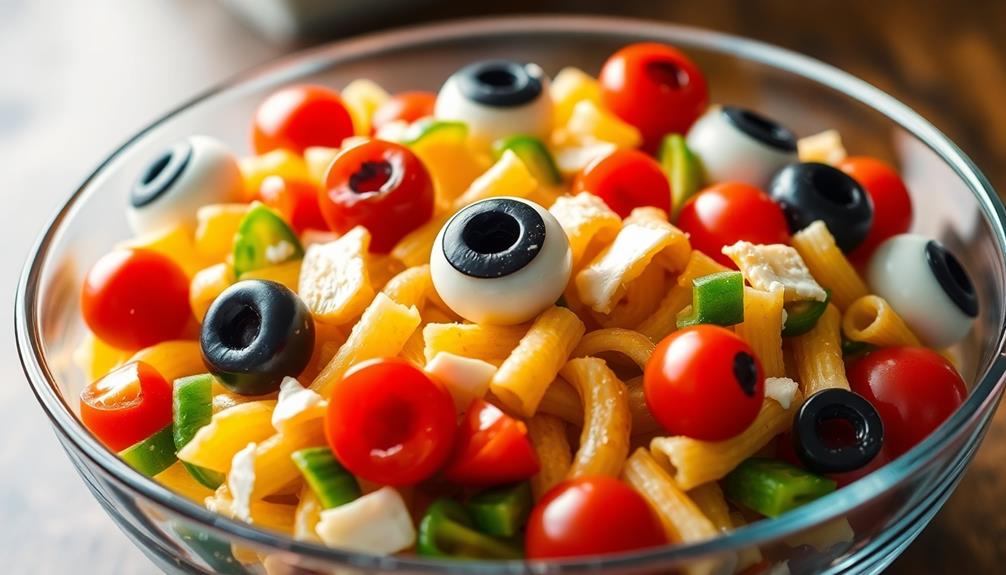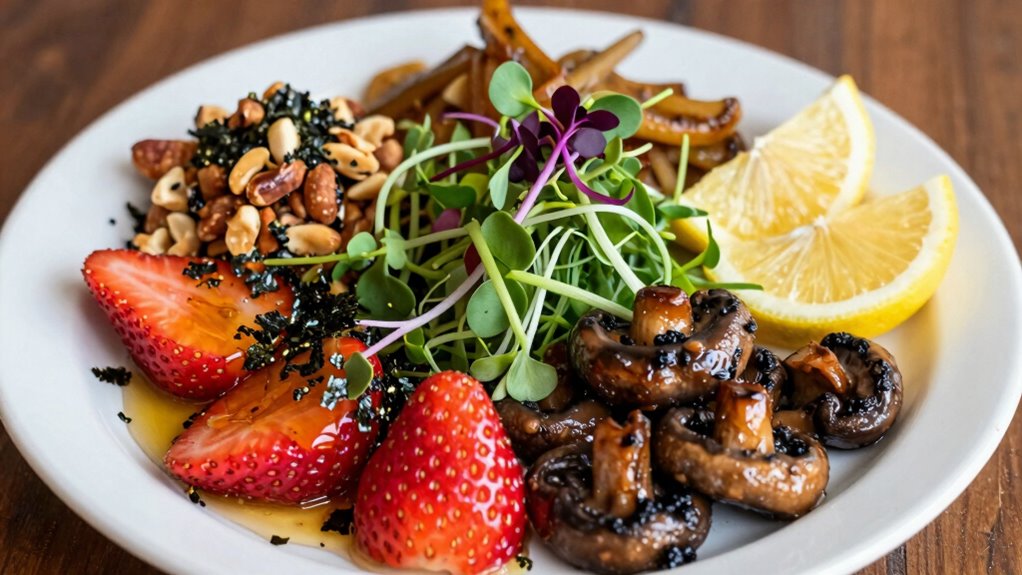

To better balance sweet, salty, sour, bitter, and umami, taste your dish as you cook and adjust gradually. If it’s too salty, add a touch of sweetness; if too sweet, brighten it with acidity like vinegar or citrus. For bitterness, counterbalance with sweetness or umami-rich ingredients. Incorporate sour elements carefully to lift flavors without overpowering. Mastering these techniques will help you create harmonious dishes; explore more tips to elevate your cooking even further.

Get everyday essentials delivered free with Prime
- Fast, free delivery on millions of items
- Prime Video, Amazon Music and more included
- Member-only deals all year
Key Takeaways
- Taste and adjust gradually, adding small amounts of ingredients to achieve harmony without overpowering.
- Use contrasting flavors, like sweetness to offset bitterness or acidity to balance richness, for better harmony.
- Incorporate umami-rich ingredients to deepen overall flavor, enhancing other taste elements.
- Carefully control sour elements to brighten dishes without overwhelming, balancing with sweetness or fat.
- Practice tasting throughout cooking to make timely adjustments and maintain balanced flavor profiles.
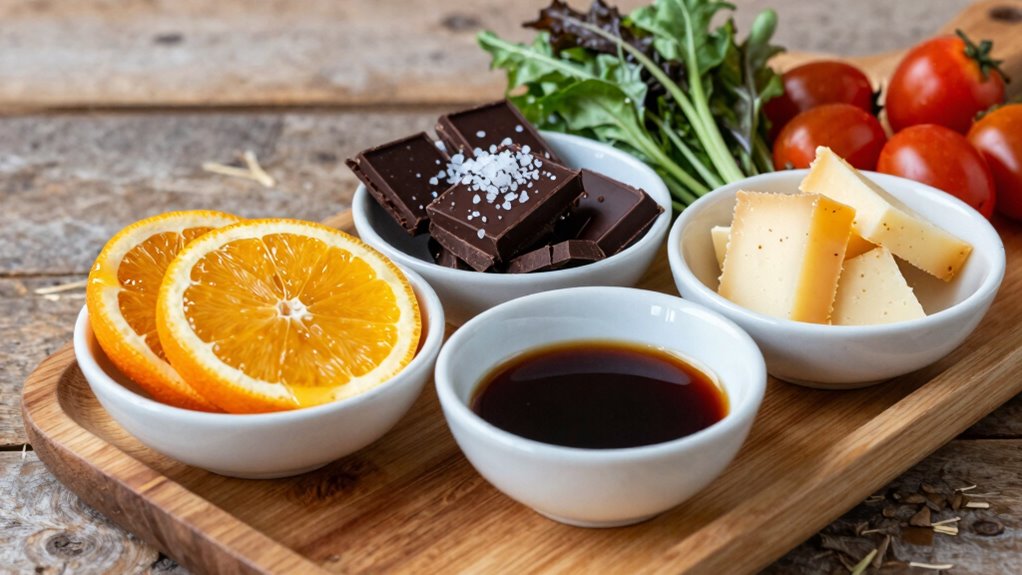
Achieving the perfect flavor balance can transform a good dish into a memorable one, but it often requires careful attention and practice. When you aim for harmony in your cooking, understanding how to blend sweet, salty, sour, bitter, and umami is essential. The key lies in effective flavor pairing—choosing ingredients that complement each other to create a cohesive taste. By focusing on ingredient harmony, you can elevate your dishes from ordinary to extraordinary, ensuring no single element overpowers the others.
Start by tasting as you cook. This habit allows you to gauge which flavors need adjusting and how they interact. For example, if your dish is too salty, a touch of sweetness, like honey or sugar, can balance the saltiness without masking the other flavors. Conversely, if it’s too sweet, adding a splash of vinegar or citrus can introduce acidity that cuts through the sweetness. This interplay of flavors demonstrates the importance of understanding how different taste components influence one another, helping you achieve a more balanced profile.
Sourness, often from citrus or vinegar, can brighten a dish but can also become overwhelming if not used carefully. When incorporating sour elements, consider their strength and how they interact with other flavors. They tend to enhance umami and can cut through richness, making them a vital tool for ingredient harmony. For example, a squeeze of lemon over a fatty fish enhances its umami and adds freshness, creating a more refined taste. The goal is to use sourness to lift and clarify flavors rather than dominate.
Bitter flavors, found in ingredients like kale, coffee, or certain herbs, can add depth but require subtle handling. To balance bitterness, pair it with sweeter or umami-rich ingredients. For instance, a bitter greens salad with a sweet vinaigrette or roasted vegetables with caramelized onions can soften the bitterness and create a more inviting flavor profile. Understanding how bitterness interacts with other tastes allows you to incorporate it thoughtfully, adding complexity without overwhelming the palate.
Finally, umami—the savory essence found in ingredients like mushrooms, soy sauce, or aged cheeses—acts as the backbone of many flavorful dishes. When balanced well, umami enhances all other flavors, making the dish feel more complete. Pairing umami-rich ingredients with sweet, sour, or salty elements can deepen the flavor profile, creating a harmonious experience. For example, adding soy sauce to a stir-fry boosts umami and ties together the other flavors seamlessly.
In essence, balancing these five basic tastes hinges on your ability to recognize how they interact through ingredient harmony and flavor pairing. Developing an understanding of flavor interactions can help you refine your palate and achieve better balance in your cooking. With practice, you’ll develop a more intuitive sense of how to adjust each element, resulting in dishes that are not only well-balanced but truly memorable.
Popular right now

Apple AirPods Pro 3 Wireless Earbuds with Active Noise Cancellation

Dyson V8 Cyclone Cordless Vacuum

Hisense 75-Inch U7 Mini-LED ULED 4K UHD Smart Google TV (75U7SG)
As an affiliate, we earn on qualifying purchases.
Frequently Asked Questions
How Do Different Cuisines Approach Flavor Balancing Differently?
Different cuisines approach flavor balancing through unique cultural flavor philosophies and ingredient pairing techniques. For example, Asian cuisines often emphasize harmony, balancing salty, sour, and sweet elements to create depth. French cooking tends to layer umami and bitter flavors thoughtfully, while Latin American dishes highlight bold, contrasting tastes. By understanding these approaches, you can adapt ingredient pairings to achieve authentic and harmonious flavor profiles in your cooking.
Can Balancing Flavors Enhance the Nutritional Value of Dishes?
Yes, balancing flavors can enhance the nutritional value of dishes. When you achieve flavor harmony, you naturally enjoy your meal more, which may lead you to eat a wider variety of nutrient-rich ingredients. Properly balancing sweet, salty, sour, bitter, and umami flavors can also reduce the need for excess salt or sugar, promoting better health. This thoughtful approach encourages you to savor nutritious foods and improve overall dietary quality.
What Common Mistakes Spoil Flavor Balance in Cooking?
Think of your dish as a symphony; common mistakes like overusing salt or adding too much acid can drown out the sweet harmony and salty enhancement you aim for. Neglecting to taste as you cook, or rushing to season, throws off the balance. Over-seasoning or under-seasoning disrupts the delicate interplay of flavors, ruining the harmony. Keep tasting and adjusting gradually to preserve that perfect flavor balance and elevate your dish.
How Does Temperature Affect Flavor Perception and Balance?
Temperature influence markedly affects your sensory perception of flavors. When you serve food hot, it often enhances sweetness and bitterness, making these flavors more pronounced. Conversely, cooler temperatures can mute certain tastes and bring out sour or salty notes. You should adjust your cooking and serving temperatures to balance flavors effectively, as temperature impacts how your palate perceives each element. Experimenting with temperature helps you achieve a harmonious flavor profile in your dishes.
Are There Specific Tools to Help Achieve Better Flavor Balance?
You can harness tasting spoons and flavor wheels to achieve better flavor harmony. These tools guide you through ingredient synergy, revealing how each element interacts for balance. Tasting spoons let you compare variations quickly, while flavor wheels show you how different tastes connect. Using them, you’re empowered to fine-tune your dishes, uncovering the secrets to perfect flavor harmony that keep your palate intrigued and delighted with every bite.
Conclusion
Now that you understand the secrets to balancing sweet, salty, sour, bitter, and umami, you’re ready to elevate your cooking. But here’s the twist—every dish is a new puzzle, and each bite reveals a deeper flavor complexity. Will you master the delicate art of harmony or let a single note overpower the rest? The choice is yours. Keep experimenting, stay curious, and soon, every meal will be a tantalizing symphony waiting to be discovered.