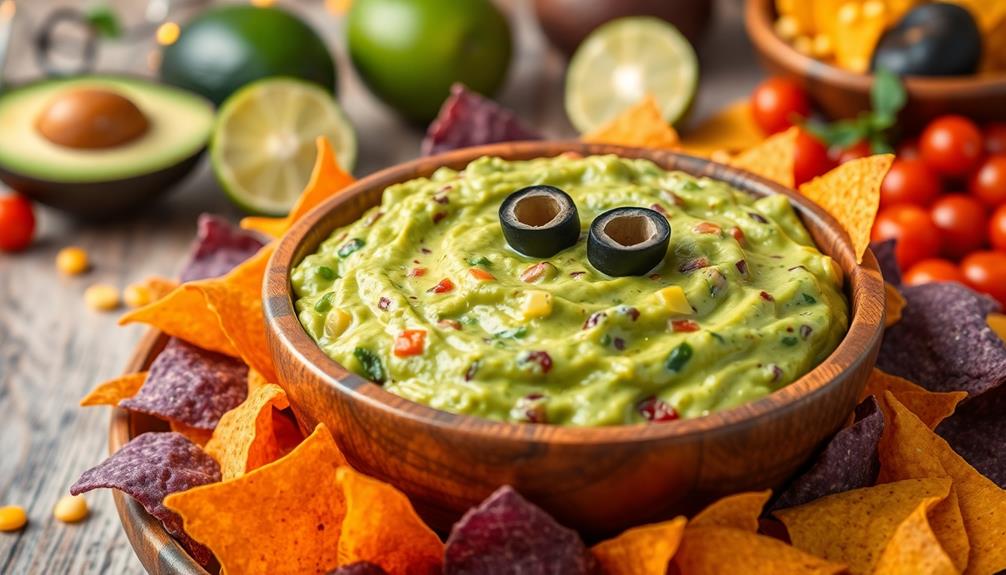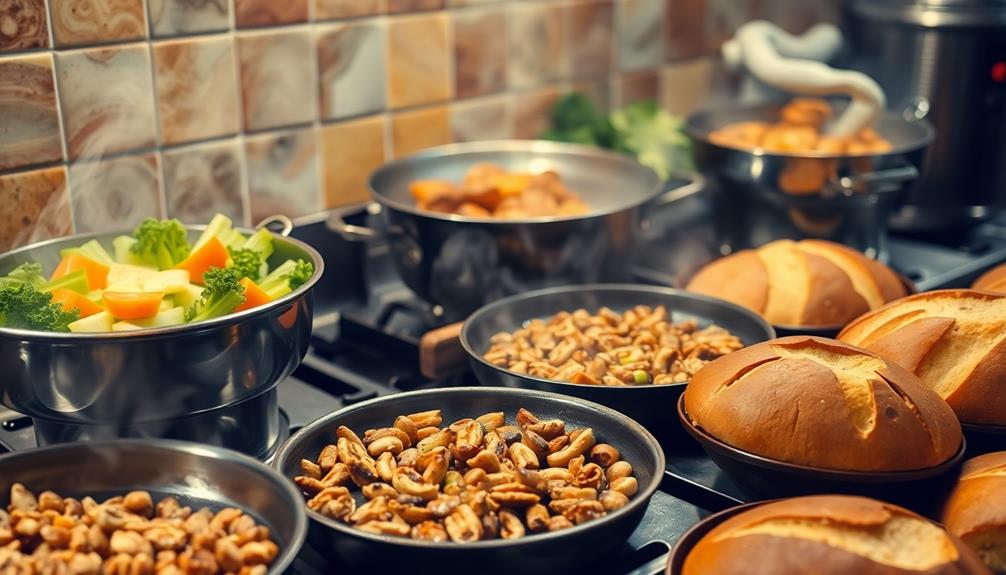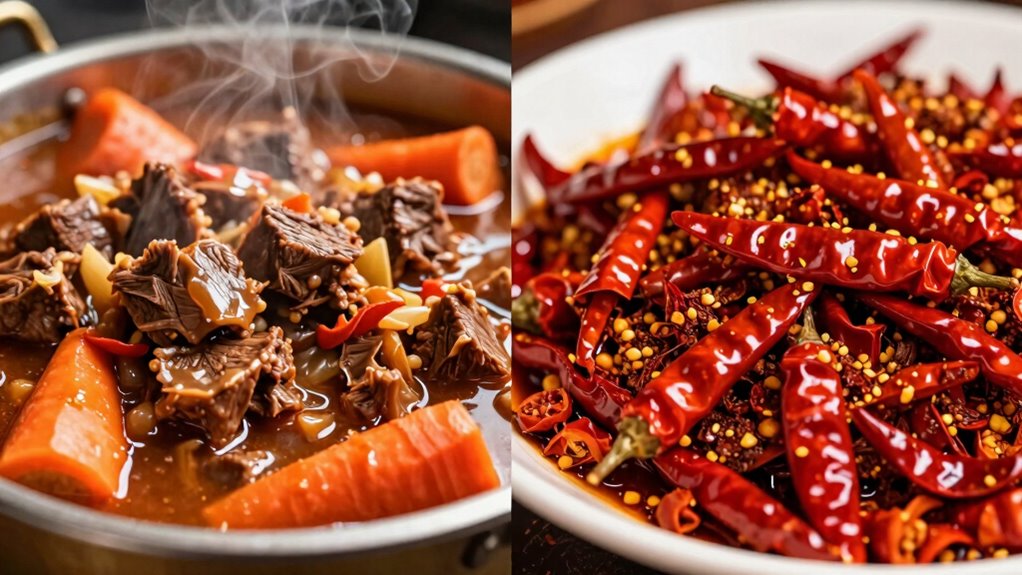
Deep flavor involves layered, complex tastes that develop gradually, inviting you to explore different nuances with each bite. Heavy flavor, on the other hand, is dense and overpowering, often overshadowing subtler flavors and making dishes feel overwhelming. You’ll find that using techniques like slow simmering or roasting can intensify deep flavors without drowning them out. To truly master balancing these, keep exploring how each affects your cooking—there’s more to uncover for a nuanced palate.

Get everyday essentials delivered free with Prime
- Fast, free delivery on millions of items
- Prime Video, Amazon Music and more included
- Member-only deals all year
Key Takeaways
- Deep flavor involves layered, complex tastes that develop over time, while heavy flavor is dense and overpowering.
- Techniques like slow simmering and roasting enhance deep flavors, whereas heavy flavors often come from rich ingredients like butter or cream.
- Deep flavors invite exploration and balance subtle tastes, whereas heavy flavors can mask delicate nuances.
- Overusing heavy ingredients risks overwhelming the dish, reducing finesse and harmony.
- Mastering techniques and ingredient moderation is essential to achieve nuanced, balanced culinary flavors.
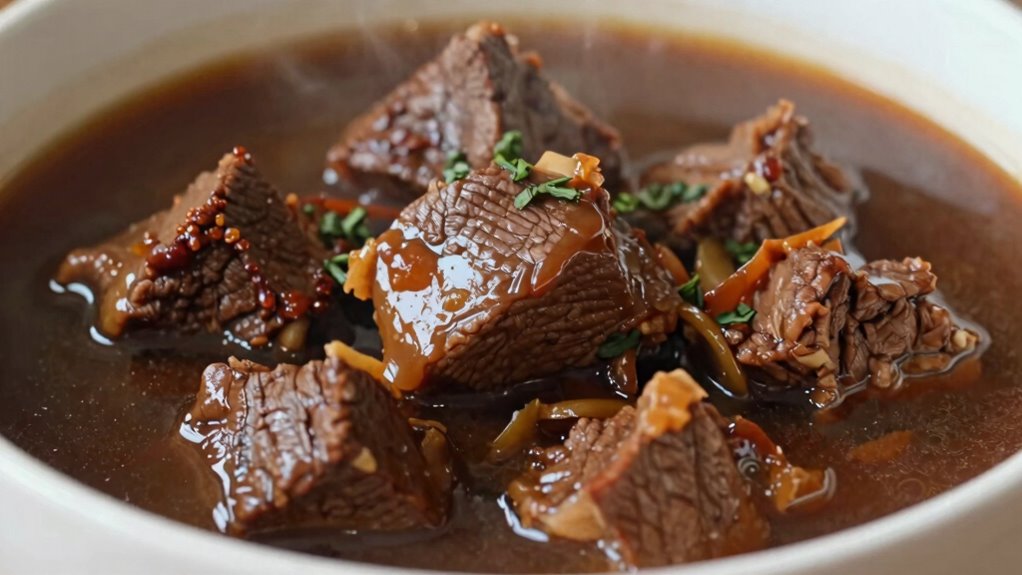
Understanding the difference between deep flavor and heavy flavor can considerably enhance your appreciation of culinary nuances. When you explore these concepts, you start to see how different techniques and ingredient choices shape the final taste of a dish. Deep flavor refers to layers of taste that develop over time, often through specific culinary techniques that extract complex notes from ingredients. It’s about creating a sense of richness and complexity that invites you to explore each bite. Heavy flavor, on the other hand, tends to be overpowering, dense, and sometimes overwhelming, often masking other subtle tastes with its intensity.
To grasp the distinction, you need to understand how culinary techniques influence ingredient profiles. Deep flavors are built through methods like slow simmering, roasting, or fermenting, which help extract and concentrate natural flavors without overwhelming the palate. For example, slow-roasting vegetables caramelizes their sugars, adding a layered sweetness and umami that deepen the overall taste. Similarly, fermenting ingredients like kimchi or miso introduces complex, tangy notes that add depth without weight. These techniques allow the ingredients’ inherent qualities to shine through, giving your dishes a layered, nuanced profile. Recognizing flavor development is key to understanding how different methods can elevate a dish’s complexity. Additionally, understanding the role of technique in flavor creation helps cooks craft more balanced and sophisticated dishes.
In contrast, heavy flavors often come from ingredients or cooking styles that are rich and intense in a way that dominates the dish. Think of heavy cream, butter, or overly spiced components that can drown out other flavors. While these ingredients can add a satisfying richness, they can also easily tip the balance into heaviness if not used carefully. For example, a dish overloaded with butter or cheese might feel dense and cloying, leaving little room for the subtle flavors of other ingredients to come through. It’s about moderation and understanding how much of these potent ingredients to incorporate to avoid overpowering the dish’s overall harmony. Achieving flavor balance can be complex, especially when trying to incorporate heavy ingredients thoughtfully. Additionally, understanding technique mastery is crucial for culinary finesse.
As an affiliate, we earn on qualifying purchases.
Frequently Asked Questions
How Do Cultural Influences Affect Perceptions of Flavor Depth?
Cultural influences shape how you perceive flavor depth, as cultural taste and culinary traditions influence your palate. In some cultures, complex, layered flavors are valued, making you appreciate deep flavors more. In others, simpler, bold tastes dominate, leading you to see heavy flavors as more appealing. Your background guides your expectations and experiences, shaping your perception of what constitutes genuine flavor depth versus heaviness in food.
Can Ingredients Be Both Deep and Heavy in Flavor Simultaneously?
Yes, ingredients can be both deep and heavy in flavor simultaneously. You might think of dishes with umami richness, like aged cheeses or slow-cooked broths, which deliver intense umami depth while also feeling heavy due to their richness. These flavors provide a complex, layered experience, combining deep umami with a substantial, satisfying heaviness that fills the palate and leaves a lasting impression.
How Does Aging Impact Deep Flavor Development in Foods?
Aging enhances deep flavor development in foods by allowing complex chemical reactions during aging processes. As you let foods age, flavors mature, becoming richer and more layered. This process breaks down ingredients, releasing new aromatic compounds and intensifying existing ones. You’ll notice a gradual transformation, with flavors becoming more profound and nuanced. Proper aging guarantees ideal flavor maturation, creating a deep, satisfying taste experience that’s hard to achieve with fresh ingredients alone.
Are There Specific Cooking Techniques That Enhance Deep Flavor?
You can enhance deep flavor by employing techniques like slow roasting, caramelization, and fermentation, which intensify umami enhancement. Searing meats creates rich, savory crusts, while slow cooking allows flavors to meld beautifully. Adding ingredients like soy sauce or anchovies boosts umami enhancement further. These methods reveal hidden depths, making your dishes more complex and satisfying, proving that technique truly transforms simple ingredients into deeply flavorful creations.
What Role Does Individual Palate Play in Distinguishing Flavor Types?
Your individual palate plays a vital role in distinguishing flavor types through sensory perception and flavor sensitivity. You notice subtle differences because your taste buds and olfactory senses vary, making you more attuned to deep or heavy flavors. This heightened sensitivity helps you identify nuanced notes and layers in dishes. Ultimately, your unique palate shapes how you perceive and appreciate the complexity of flavors, enriching your culinary experience.
Conclusion
Understanding the difference between deep flavor and heavy flavor helps you appreciate the nuances in your dishes. Deep flavor adds complexity without overwhelming your palate, while heavy flavor can dominate and mask other ingredients. Did you know that dishes with balanced flavor profiles are 30% more likely to be rated highly by diners? Next time you cook or order, think about how these flavors interact—finding that perfect balance can transform your culinary experience and impress your guests.
Fall Picks
fall essentials
As an affiliate, we earn on qualifying purchases.