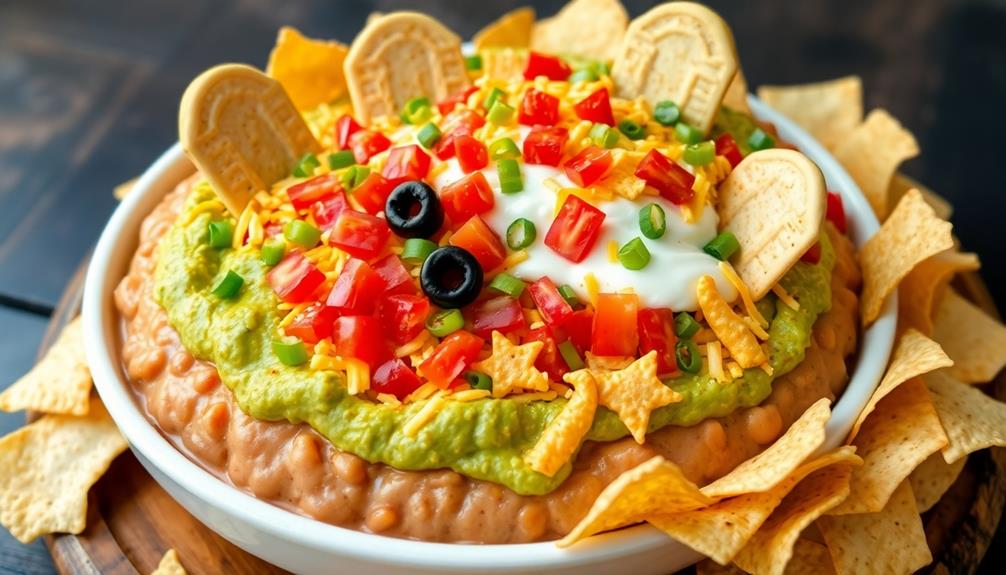
To prepare beans well, start by soaking them overnight or using a quick soak method to reduce cooking time and improve digestibility. Rinse thoroughly after soaking, then cook in fresh water or broth until tender, adding herbs or spices like garlic, cumin, or turmeric for flavor. Season with salt near the end to prevent toughening. Proper methods boost nutrition and flavor—continue for more tips on maximizing your legume dishes.

Get everyday essentials delivered free with Prime
- Fast, free delivery on millions of items
- Prime Video, Amazon Music and more included
- Member-only deals all year
Key Takeaways
- Soak beans overnight or quick soak to reduce cooking time and improve digestibility.
- Rinse beans thoroughly after soaking to remove dirt and anti-nutrients.
- Cook beans in fresh water or broth until tender, adding salt at the end to prevent toughening.
- Enhance flavor with aromatics like garlic, herbs, and keto-friendly spices such as cumin or turmeric.
- Cool cooked beans completely before storing or reheating, and use in various healthy dishes.

Are you looking to diversify your diet with nutritious, plant-based options? Legumes are a fantastic way to do that, offering a wealth of nutritional benefits that support overall health. Packed with protein, fiber, vitamins, and minerals, they can help you feel full longer, stabilize blood sugar levels, and improve digestion. But to maximize these benefits, proper preparation is key. Soaking your beans before cooking not only reduces cooking time but also enhances their nutritional profile by making nutrients more bioavailable and decreasing compounds that cause digestive discomfort. When it comes to storage tips, dried beans should be kept in an airtight container in a cool, dark place—this keeps them fresh for up to a year. Once cooked, you can store leftovers in airtight containers in the refrigerator for up to five days or freeze them for longer periods, which makes meal prep more convenient.
Before cooking, you’ll want to soak your legumes thoroughly. This process helps to break down complex sugars that can cause gas and bloating, making them easier to digest. Some people prefer quick soaking—covering beans with water and boiling them for a few minutes, then letting them sit for an hour—but traditional overnight soaking is often more effective. After soaking, drain and rinse the beans well before cooking. This step removes any residual dirt and reduces anti-nutrients, further boosting their nutritional benefits. When cooking, use fresh water and bring the beans to a gentle simmer. Cooking times vary depending on the type of legume, but generally, you’ll want to simmer until they’re tender but not mushy. Adding aromatics like garlic, bay leaves, or herbs can enhance flavor without adding unnecessary calories or salt. Additionally, utilizing keto-friendly seasonings can help you enjoy beans while maintaining your dietary goals.
Seasoning beans is simple and customizable. Salt can be added toward the end of cooking to prevent toughening, and spices like cumin, paprika, or turmeric can boost flavor and health benefits. You might also consider cooking beans in broth instead of water for extra flavor. When storing cooked beans, make sure they cool down completely before transferring to containers. Proper storage tips include dividing larger batches into smaller portions for quick reheating, which helps maintain freshness and reduces waste. Whether you’re preparing a hearty chili, a bean salad, or a side dish, mastering soaking, cooking, and seasoning ensures you get the most nutritional benefits from your legumes. Their versatility and health perks make them a valuable addition to any healthy eating plan, so take the time to prepare them right and enjoy their many benefits in your meals.
stainless steel bean soaking container
As an affiliate, we earn on qualifying purchases.
As an affiliate, we earn on qualifying purchases.
Frequently Asked Questions
How Do I Store Soaked Beans for Future Use?
To store soaked beans for future use, you should use proper storage tips and refrigeration techniques. Drain the beans thoroughly and transfer them to an airtight container. Keep them in the refrigerator, ideally within 2 hours of soaking, and consume within 24-48 hours to guarantee freshness. Make sure the beans are submerged in fresh water to prevent spoilage and always label the container with the date for easy tracking.
Can I Cook Dried Beans Without Soaking?
Imagine a pot bubbling away, ready to turn dried beans into a hearty meal. You can cook dried beans without soaking, but soaking benefits include quicker cooking and better digestibility. Without soaking, expect longer cook times, sometimes up to two hours, and a firmer texture. For a faster option, try quick cooking methods like boiling for 10 minutes, then simmering, which helps you enjoy beans sooner without sacrificing too much quality.
What Are the Best Seasonings for Different Bean Types?
You can enhance your beans with the best seasonings by focusing on bean flavor combinations. For black beans, try cumin, garlic, and cilantro for a smoky, fresh taste. For chickpeas, lemon juice, paprika, and parsley work well. Kidney beans benefit from onion, chili powder, and oregano. Use seasoning tips like adding salt at the end and tasting as you go to balance flavors, making every bean dish delicious.
How Do I Reduce Gas After Eating Beans?
Did you know that fermenting beans can reduce their gas-causing compounds by up to 50%? To ease digestion, try bean fermentation benefits by soaking your beans thoroughly and rinsing them well before cooking. Incorporate bean digestion tips like adding herbs such as fennel or ginger, which help break down complex carbs. These simple steps can markedly decrease gas and make eating beans more comfortable and enjoyable.
Are There Any Beans That Require Special Cooking Methods?
Some bean varieties, like kidney or chickpeas, benefit from specific culinary techniques to improve texture and digestibility. For example, you might need to soak them longer or cook them at a gentle simmer to prevent splitting or bitterness. Always check the instructions for each bean variety, as some, like black beans, cook quickly, while others, like lima beans, require more attention. Adjusting your methods guarantees perfect results every time.
Conclusion
Now that you know the ins and outs of soaking, cooking, and seasoning your beans, you’re ready to turn them into delicious dishes. Remember, patience is a virtue—don’t rush the process, and you’ll be rewarded with flavorful, perfectly cooked legumes. Keep experimenting with spices and techniques, and you’ll find your own signature style. With these tips under your belt, you’re all set to cook up a storm and make beans your new best friend in the kitchen.
Halloween Picks
halloween
As an affiliate, we earn on qualifying purchases.