
To make leftovers enticing, plan your meals with reuse in mind and store portions properly. Add fresh herbs, citrus, or spices to boost flavor and experiment with different combinations. Transform ingredients into new dishes like casseroles, salads, or tacos to keep things exciting. Use quick swaps and cooking techniques to elevate flavors and avoid monotony. Keep exploring simple tricks and ideas for turning everyday leftovers into crave-worthy, satisfying meals—there’s more to discover ahead.

Get everyday essentials delivered free with Prime
- Fast, free delivery on millions of items
- Prime Video, Amazon Music and more included
- Member-only deals all year
Key Takeaways
- Plan meals with leftovers in mind, using versatile ingredients that can be easily transformed into new dishes.
- Enhance leftovers with fresh herbs, spices, and tangy dressings to add flavor and excitement.
- Store leftovers properly in portioned containers to maintain freshness and facilitate quick, creative reuse.
- Convert leftovers into entirely different meals, like turning roasted vegetables into salads or pasta into casseroles.
- Experiment regularly with flavor combinations and presentation to keep leftovers appealing and enjoyable.
Ever wonder how to turn leftovers into the highlight of your next meal? It’s easier than you might think. The secret lies in smart meal prep and clever flavor enhancement. When you plan ahead, you can store leftovers in a way that makes them easy to transform into something fresh and exciting. Think about portioning your meals so they’re ready to reheat and reimagine later in the week. That way, you’re not stuck with dull, flavorless reheats but instead have a foundation to build upon with minimal effort.
Once you’ve got your leftovers stored properly, it’s time to get creative with flavor. A simple splash of fresh herbs, a squeeze of citrus, or a dash of spices can completely change the character of your dish. For example, grilled chicken that’s been sitting in the fridge can become the star of a flavorful salad or wrap with a bit of a tangy dressing or fresh herbs. Don’t be afraid to add a bit of garlic or chili powder—these small touches can elevate your leftovers and make them taste like new creations.
Enhance leftovers with herbs, citrus, or spices for fresh, flavorful transformations.
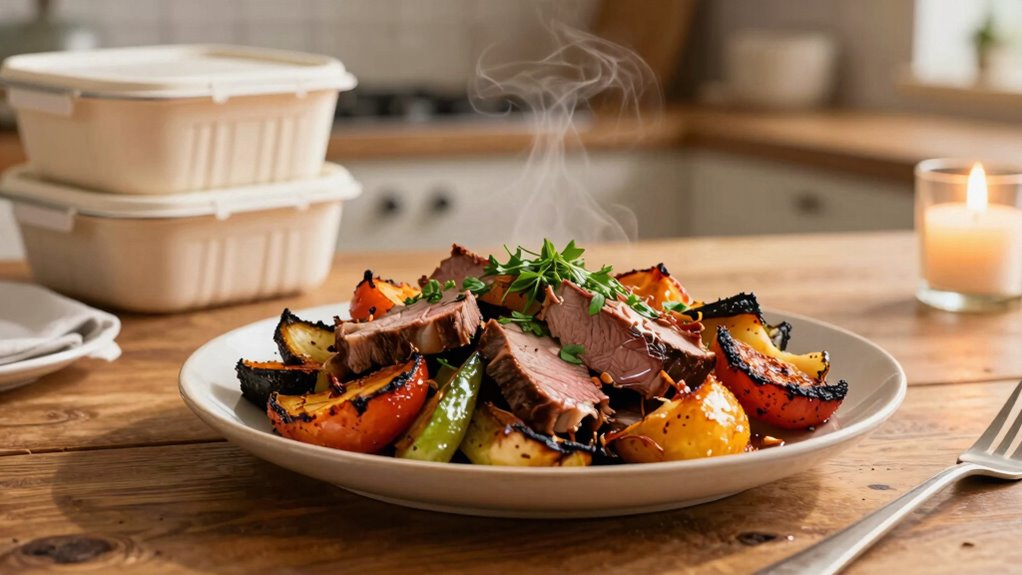
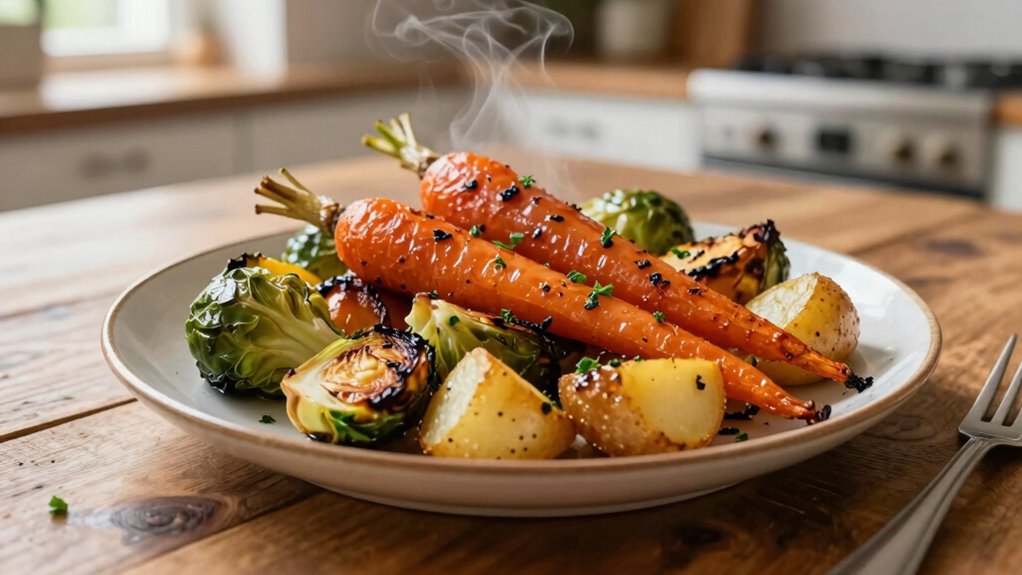
Meal prep plays a huge role in making leftovers more appealing. When you prepare your meals with leftovers in mind, you set yourself up for success. Cook ingredients that lend themselves to multiple uses, like roasted vegetables, grains, or cooked meats. These can be combined in various ways throughout the week—think turning roasted vegetables into a hearty grain bowl or slicing up cooked chicken for tacos or sandwiches. By doing so, you’re not only saving time but also reducing waste and making your meals more enjoyable. Proper storage techniques are essential to maintaining the quality and flavor of your leftovers, ensuring they stay fresh and safe to eat. Incorporating food safety practices into your routine can further prevent spoilage and preserve flavor. Additionally, understanding food preservation methods can help extend the shelf life of your leftovers, giving you more flexibility in planning your meals.
Another trick to keep leftovers exciting is to think outside the box. If you’re used to reheating the same dish, try transforming it into something completely different. For example, leftover pasta can be tossed into a baked casserole, or leftover rice can be turned into fried rice with some vegetables and soy sauce. These quick swaps add variety and keep your taste buds engaged. Plus, they give you the chance to experiment with flavor combinations you might not have considered initially.
In essence, making your leftovers worth looking forward to is about combining smart meal prep with flavor enhancement. When you plan ahead and know how to tweak your leftovers with fresh ingredients and seasonings, you turn what could be mundane into something delicious. The key is to see leftovers as a blank canvas—an opportunity to get creative and make every meal feel new and satisfying. Incorporating cooking techniques into your routine can further elevate your leftover creations and keep mealtime interesting.
Popular right now

De'Longhi Magnifica Duo Fully Automatic Espresso Machine with Milk Frother, Silver

Dyson V8 Cyclone Cordless Vacuum

Bose QuietComfort True Wireless Earbuds with Active Noise Cancellation, Black
As an affiliate, we earn on qualifying purchases.
Frequently Asked Questions
How Can I Prevent Leftovers From Drying Out?
To prevent leftovers from drying out, use proper reheating techniques like adding a splash of broth or water before microwaving or reheating gently on the stove. Cover dishes with a lid or microwave-safe wrap to lock in moisture. For leftover presentation, serve reheated foods promptly and consider garnishing with fresh herbs or sauces to keep them appealing. This way, your leftovers stay moist, tasty, and inviting.
What’s the Best Way to Store Different Types of Leftovers?
Storing leftovers is like tucking treasure away for a rainy day. Use airtight containers to lock in flavor preservation, preventing moisture loss and odors from mingling. For soups and stews, choose deep, leak-proof containers, while for salads or fried foods, opt for vented or breathable options. Label everything clearly with dates, so your leftovers stay fresh and delicious, waiting to be enjoyed again.
How Long Can Leftovers Safely Be Kept in the Fridge?
Leftover safety depends on proper refrigerator organization and storage. Typically, you can keep leftovers in the fridge for 3 to 4 days. To guarantee safety, label the containers with dates and store leftovers in airtight containers on the middle shelves. Regularly check for signs of spoilage, like bad odors or mold. Staying organized helps you consume leftovers promptly, reducing waste and preventing foodborne illnesses.
Can Leftovers Be Frozen Without Losing Flavor?
Yes, leftovers can be frozen without losing flavor if you use proper freezing techniques. To maximize flavor preservation, cool the food quickly and store it in airtight containers or freezer bags. Avoid overfilling, as air exposure can degrade taste. While some textures might change slightly, these techniques help keep your leftovers delicious and ready for future meals, making them just as enjoyable as the first time.
How Do I Reheat Leftovers to Preserve Taste and Texture?
To reheat leftovers while preserving flavor and maintaining texture, start by identifying the best method—microwave, stovetop, or oven. Use low heat and add a splash of water or broth if needed to keep moisture. Cover your dish to retain steam, which helps preserve flavor. Stir gently and check frequently to avoid overcooking. This careful approach guarantees your leftovers stay tasty and retain their original texture.
Conclusion
By transforming leftovers into exciting new dishes, you turn routine meals into something special. For example, imagine turning last night’s roasted chicken into a flavorful chicken quesadilla or a comforting soup. When you get creative, leftovers become a chance to experiment and reduce waste, making mealtime more enjoyable. So next time you’re tempted to toss those leftovers, think of creative ways to reinvent them—you might just look forward to your next meal even more.