In 2025, you’ll benefit if you work in the many areas raising their wages, especially in retail, healthcare, and food service. If you’re in urban or progressive communities, wages could jump over $17 or even $22.50 per hour, helping you keep up with rising costs. Whether you earn tips or a regular wage, these increases are designed to improve your income and financial stability. Keep exploring—you’ll find out who else gains from these changes.
Key Takeaways
- Low-wage workers in regions raising minimum wages will see direct pay increases.
- Workers in sectors like retail, food service, and healthcare benefit from higher wages.
- Tipped workers, such as in Washington, D.C., will experience increased tipped wages.
- Employees in urban and progressive areas will gain from wages surpassing $15 or $20 per hour.
- Those in states maintaining federal minimum wage or with no wage hikes will see little to no change.

As 2025 unfolds, minimum wage rates are rising across the country, impacting workers and businesses alike. This year, 88 jurisdictions—spanning 23 states and 65 cities or counties—are increasing their minimum wages, with many reaching or surpassing $15.00 per hour. If you’re working in sectors like retail, food service, or healthcare, these changes could considerably boost your income. In California, for example, the general minimum wage is now $16.50 per hour, with fast food workers earning $20.00, and healthcare workers in large systems earning up to $24.00. Such increases mean you’re likely to see higher wages if you’re employed in these fields, especially in regions where wages are climbing above $17.00 or even $20.00 per hour. Many localities are implementing mid-year increases to help workers keep pace with inflation and rising living costs. Workers in cities and counties that are updating wages mid-year also benefit. Many local governments are raising minimum wages on July 1, 2025, with some regions seeing rates as high as $22.50 per hour. If you work in these areas, you might see a substantial increase in your paycheck, which can help offset rising costs of living. Tipped workers in places like Washington, D.C., also gain, as the tipped wage is increasing to $12.00 in mid-2025, providing more financial security for those relying on tips. Entry-level workers and those in low-wage jobs across these jurisdictions benefit directly, as the wage floors are rising, lifting many out of poverty or helping to maintain their purchasing power amid inflation. However, not all workers will see immediate gains. States that stick with the federal minimum wage of $7.25—like Alabama, Georgia, Indiana, Iowa, and Kansas—won’t experience these increases unless local jurisdictions decide otherwise. Still, in many parts of the country, particularly urban areas and progressive states, minimum wages are climbing well above federal levels, often reaching over $17.00. This creates a clearer divide: workers in higher-wage regions will enjoy more substantial earnings, while those in lower-wage states may not see much change. For businesses, these wage hikes present both challenges and opportunities. In sectors with large low-wage workforces, like retail and food service, costs are expected to go up, potentially leading to higher prices or adjustments in staffing. Some employers are already planning to modify their budgets or increase automation to cope with the higher labor costs. Meanwhile, compliance with new wage laws requires employers to update notices and ensure proper posting of wage rates, adding administrative tasks. Overall, if you’re working in a region where minimum wages are rising, you’re likely to benefit from increased earnings, especially in sectors and areas where wages are climbing above $15.00 or $17.00 per hour, helping improve your financial stability in 2025.

Brother Color Laser Printer with Wireless Printing Fast 19 PPM Output, Duplex Feature, Mobile Device Compatible, 250-Sheet Paper Tray for Professional Home Office Printing (HL-L3220CDW)
Professional Quality: Brother Genuine color laser printer delivers stunning business documents with crisp text and vibrant graphics at...
As an affiliate, we earn on qualifying purchases.
Frequently Asked Questions
How Will Small Businesses Cope With the Wage Increase?
You’ll need to adapt to the wage increases by adjusting your workforce strategies. Consider reducing hours, limiting new hires, or investing in labor-saving tech to manage higher costs. Price increases might be necessary, but stay mindful of customer demand. You may also explore available tax credits or subsidies. Staying compliant with complex wage laws and optimizing scheduling will help you navigate these changes while maintaining profitability.
Will Minimum Wage Hikes Affect Unemployment Rates?
You might wonder if raising the minimum wage affects unemployment rates. Research shows that large wage hikes don’t necessarily lead to more job losses overall. In fact, studies find steady employment levels and stable unemployment rates around 4.1-4.2%. While some vulnerable groups like disabled and Black workers may see slight employment drops, the broader economy often continues to grow, suggesting wage increases don’t automatically cause higher unemployment.
Are There Plans for Regional Minimum Wage Differences?
Think of minimum wages as a patchwork quilt, each piece tailored to fit local needs. You’re asking if there are plans for regional differences, and yes, many states and cities are customizing wages based on economic conditions and cost of living. Local governments have the power to set higher wages where needed, creating a diverse landscape that reflects regional realities and helps workers in different areas earn fairer pay.
How Will the Hikes Impact Inflation in 2025?
You’re wondering how the wage hikes will impact inflation in 2025. As wages increase, your purchasing power grows, boosting demand for goods and services. This can lead to moderate price rises in the short term. While higher wages might push business costs up, they also stimulate economic growth. Overall, the effect on inflation depends on how increased demand balances with productivity gains, but some inflationary pressure is likely.
Will There Be Exemptions for Certain Industries or Roles?
You might wonder if any industries or roles are exempt from the upcoming wage increases. Depending on your job, there could be exemptions, like outside sales or family members working for the same employer. Certain apprentices and disabled workers in sheltered workshops might also be exempt. Keep in mind, healthcare and hospitality sectors have their own wage rules, which might override general minimum wage laws. Always verify your specific role and industry standards.

HP Color Laserjet Pro 3201dw Wireless Color Laser Printer, Office Printer, Duplex, Best for Office (499Q9F)
FROM AMERICA'S MOST TRUSTED PRINTER BRAND – Perfect for small teams printing professional-quality color documents and reports. Print...
As an affiliate, we earn on qualifying purchases.
Conclusion
So, get ready, because these 2025 minimum wage hikes could completely transform your world. Imagine earning enough to finally breathe easy, ditching the endless paycheck-to-paycheck cycle, and living like royalty—well, almost. This isn’t just a small bump; it’s a giant leap toward a future where your paycheck truly reflects your worth. Buckle up, because your financial life is about to change in ways you never thought possible—faster and bigger than you ever imagined.
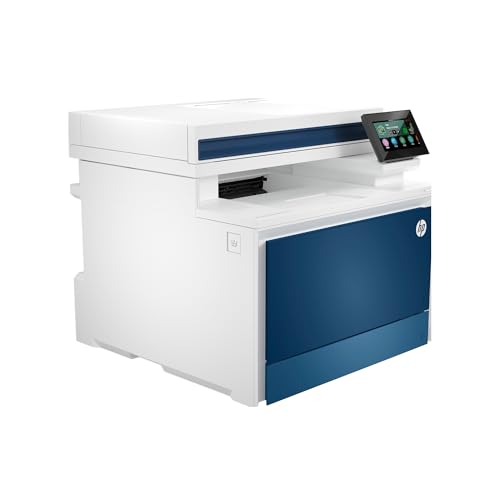
HP Color LaserJet Pro MFP 4301fdw Wireless All-in-One Color Laser Printer, Scanner, Copier, Fax, Best-for-Office
EVERYTHING SMALL TEAMS NEED – Print, scan and copy professional-quality color documents and reports plus fax. Auto 2-sided...
As an affiliate, we earn on qualifying purchases.

Brother HL-L3280CDW Wireless Compact Digital Color Printer with Laser Quality Output, Duplex, Mobile Printing & Ethernet | Includes 2 Month Refresh Subscription Trial¹,Works with Alexa
Best for Small Offices and Home Offices, the Brother HL-L3280CDW wireless compact digital color printer consistently produces impressive,...
As an affiliate, we earn on qualifying purchases.