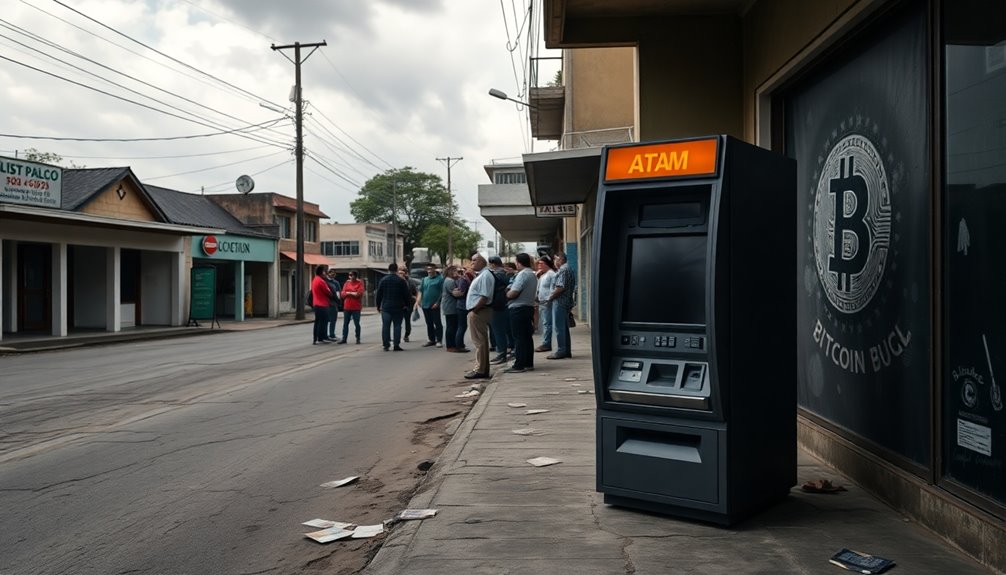

You might find it surprising that El Salvador has decided to withdraw Bitcoin's legal currency status. This shift marks a significant departure from their previous stance, raising questions about the future of cryptocurrency in the country. With international financial institutions expressing concerns about Bitcoin's volatility, what does this mean for businesses and individuals who embraced the digital currency? The implications of this decision could reshape the economic landscape in ways you might not expect.

Get everyday essentials delivered free — and shop member deals
- Fast, free delivery on millions of items
- Access to Prime Big Deal Days deals on October 6–7
- Prime Video, Amazon Music and more included
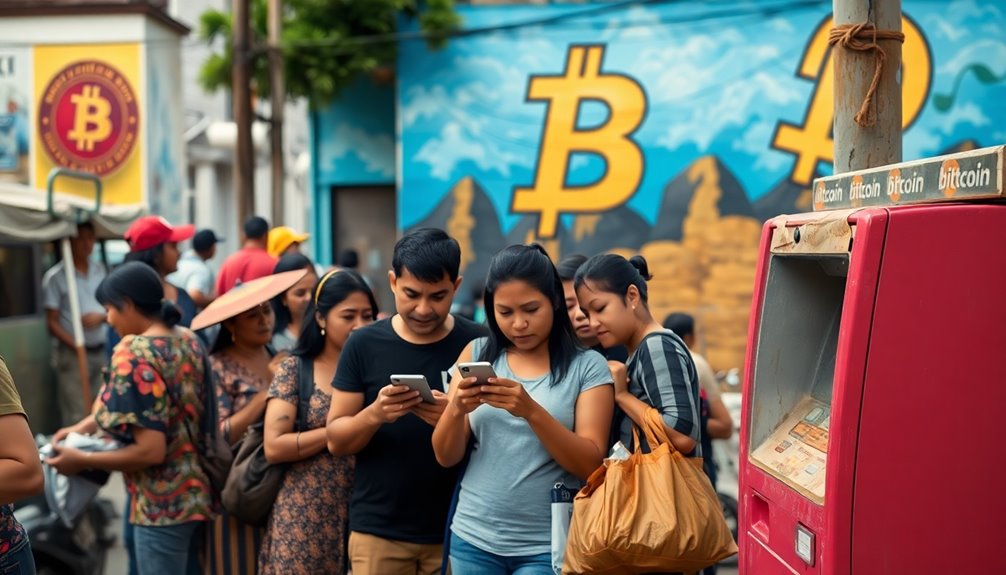
As El Salvador shifts its stance on cryptocurrency, the country has officially withdrawn Bitcoin's status as legal currency, a significant change from its groundbreaking adoption in September 2021. Initially, you might recall how the government mandated businesses to accept Bitcoin, promoting it through the Chivo Wallet, a state-backed digital wallet. However, the International Monetary Fund (IMF) has raised concerns about the risks tied to Bitcoin's volatility, pressuring El Salvador to reconsider its crypto policies as part of broader economic reforms.
In a recent move, the Legislative Assembly passed reforms to the original Bitcoin Law, effectively removing Bitcoin's legal tender status. Now, accepting Bitcoin is optional for both businesses and individuals. This change modifies six articles of the former legislation and repeals three others while retaining Bitcoin's status as legal tender, albeit not recognized as currency. BTC is now classified as not an official currency in El Salvador. The revisions to the law also reflect the growing awareness of the role of crypto whales in market dynamics.
The new provisions will take effect 90 days after their publication in the official gazette. This shift has significant implications for transactions across the country. You'll find that Bitcoin is no longer accepted for tax payments or any government-related transactions. Businesses aren't required to accept Bitcoin unless both parties agree on its use. With the government stepping back from its role in the Chivo Wallet, the responsibility for Bitcoin transactions now falls on private exchanges and individuals, making acceptance entirely voluntary.
The reforms also aim to secure a $1.4 billion loan from the IMF, signaling a desire to mitigate the risks associated with Bitcoin's use as legal tender. These changes are seen as a step toward stabilizing El Salvador's economy amid growing global pressures, highlighting the influence of international financial institutions on national policies. Furthermore, El Salvador's experience serves as a cautionary tale about the challenges countries face when adopting cryptocurrencies.
Public sentiment has been mixed. The initial introduction of Bitcoin as legal tender was one of the government's least popular measures, but many Salvadorans embraced it, utilizing Bitcoin Lightning wallets despite market volatility. However, this recent reversal may dampen investor confidence in El Salvador's financial system, raising questions about the future of cryptocurrencies in national economies. As the dust settles, you might wonder how this decision will shape the landscape for digital currencies moving forward.
As an affiliate, we earn on qualifying purchases.
Fall Picks
fall essentials
As an affiliate, we earn on qualifying purchases.