

In recent luxury brand data breaches, your personal, contact, and behavioral details may have been exposed. Cybercriminals collect this sensitive info to target high-spending clients like you, increasing risks of identity theft, scams, and even physical threats. Attack methods often go unnoticed for weeks, leaving you vulnerable. If you want to understand how these breaches happen and protect yourself better, there’s more to explore below.
Key Takeaways
- High-net-worth client data, including personal and behavioral info, has been targeted and compromised in recent luxury brand breaches.
- Breached data exposes sensitive details like IDs, addresses, and purchase history, increasing scam and identity theft risks.
- Cybercriminals often spend weeks gathering customer data stealthily before launching attacks.
- Luxury brands’ delayed breach notifications prolong customer vulnerability to fraud and physical threats.
- Enhanced cybersecurity measures are critical to protect high-spending clients from future data breaches.
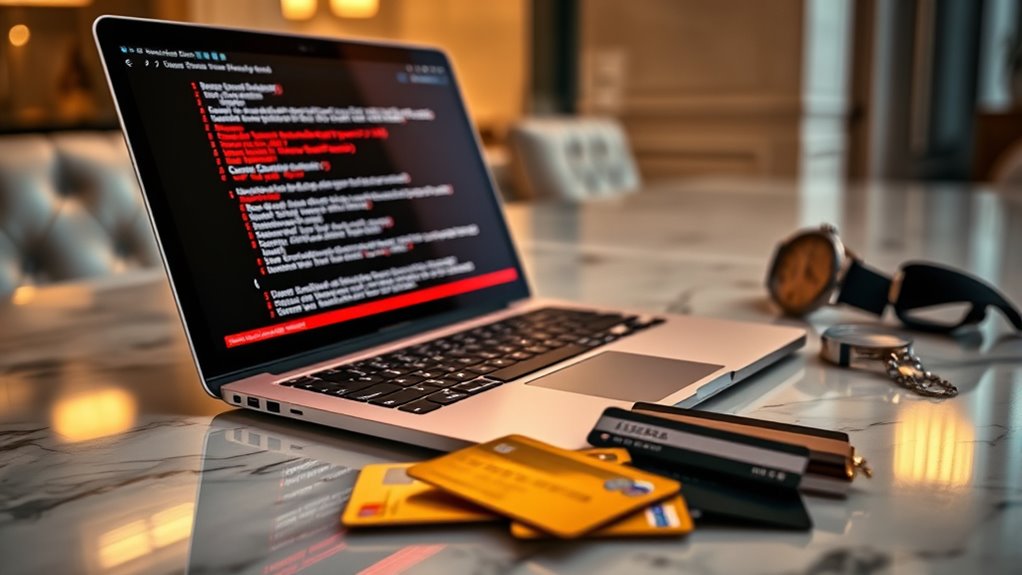
Recent data breaches targeting luxury brands have compromised the personal and financial information of over 18 million high-net-worth individuals worldwide in 2025. If you’re a high-spending customer, this means your private details, purchase history, and lifestyle information could now be in the hands of cybercriminals. Major luxury brands like Dior, Louis Vuitton, Kering, and Cartier have all fallen victim to sophisticated attacks this year, exposing sensitive data of their elite clientele. For you, this isn’t just a breach of privacy—it’s a potential gateway for identity theft, financial fraud, and targeted scams.
When these breaches happen, they often reveal your personal identifiers, including your full name, date of birth, government-issued ID numbers, passports, and Social Security numbers. Your contact details—such as home addresses, phone numbers, emails, and countries of residence—are also at risk. Cybercriminals can use this information to craft convincing phishing emails or to infiltrate your accounts through credential stuffing attacks, which have already compromised thousands of customer accounts elsewhere. Beyond personal data, your purchase history is often exposed, including transaction amounts, items bought, and your overall spending patterns. This detailed insight allows attackers to understand your habits and tailor scams or manipulate your financial information. Understanding the importance of legal representation can also be crucial when dealing with the fallout from such breaches.
In many cases, the breaches are linked to vulnerabilities in third-party vendors and supply chain partners, which are often overlooked security weak spots. Attackers typically spend weeks or even a month gathering data stealthily, avoiding ransom demands and instead profiting from resale or targeted misuse. Louis Vuitton’s breach, for example, went undetected for nearly a month, highlighting how long cybercriminals can operate unnoticed within these complex digital ecosystems. Meanwhile, other brands like Cartier and Kering disclosed breaches affecting thousands of customers, with some data, such as names, emails, and purchase amounts, exposed but financial data remaining safe. Still, the exposure of behavioral and demographic data provides cybercriminals with detailed profiles of high-net-worth clients, increasing risks of phishing and physical security threats. This widespread exposure underscores the importance of robust cybersecurity measures across all luxury sectors.
The consequences for you are serious. Your identity could be stolen, financial accounts compromised, or targeted phishing campaigns launched using your contact and behavioral data. If your address and lifestyle information fall into the wrong hands, your physical security might also be at risk. Despite these dangers, many brands have delayed notifying affected customers by four to six months, which violates legal disclosure requirements. Some companies, like Cartier, have engaged cybersecurity experts and regulators to manage the fallout, but the overall response often leaves customers vulnerable for weeks or months. As a high-value customer, it’s essential to stay vigilant, monitor your accounts, and be wary of suspicious communications to protect yourself from further harm.
Frequently Asked Questions
How Was the Breach Discovered and Reported?
You discover the breach through internal security monitoring, noticing suspicious activity or anomalies, especially involving third-party systems. Once detected, you immediately investigate, engage cybersecurity experts, and analyze system logs to understand the scope. You then report it to relevant authorities, like data protection agencies or law enforcement, within mandated timeframes, and notify affected customers to mitigate risks and comply with regulations.
What Specific Data Was Accessed or Stolen?
You’re hit with a harsh reality: hackers accessed and stole a trove of sensitive customer data. Personal details like names, email addresses, and country of residence were exposed, along with extensive transaction histories and gift card information. For high-spending clients, their purchase patterns and spending details were compromised, raising risks of fraud and fraudulence. While payment details remained safe, this breach exposes vulnerabilities in your luxury brand’s data defenses.
Are Affected Customers Eligible for Compensation?
Yes, you may be eligible for compensation if your personal data was compromised in the breach. To qualify, you’ll need evidence of the breach, proof of financial harm or identity theft, and documentation of any time or money spent addressing the issue. Filing your claim promptly within legal deadlines, and possibly joining a class action, can increase your chances of receiving monetary damages or reimbursement for related expenses.
What Measures Is the Company Implementing to Prevent Future Breaches?
You can see that the company is taking significant steps to prevent future breaches. They’ve strengthened access controls, implemented real-time monitoring, and upgraded data encryption. Plus, they’re enforcing stricter vendor security standards, conducting regular security assessments, and extending incident response plans to include third-party risks. They’re also actively educating you on security best practices and encouraging the use of multi-factor authentication to safeguard your accounts effectively.
How Can Customers Protect Themselves After the Breach?
Did you know nearly 60% of identity theft cases involve stolen credentials? To protect yourself after a breach, monitor your accounts regularly for suspicious activity, change passwords immediately, and enable two-factor authentication. Review your financial statements often, stay alert for phishing emails, and consider credit monitoring services. Keep your devices updated, use strong passwords, and avoid sharing personal info. Staying vigilant helps minimize the risk and keeps your identity safe.
Conclusion
This breach reveals that even the brightest lights can cast shadows. Your high-spending data, once a symbol of loyalty, now risks becoming a beacon for those lurking in the dark. As the fortress of trust crumbles, remember that your personal information is like a delicate thread—easily pulled or severed. Stay vigilant, for in a world of shimmering facades, true security lies in guarding the core of what makes you valuable.