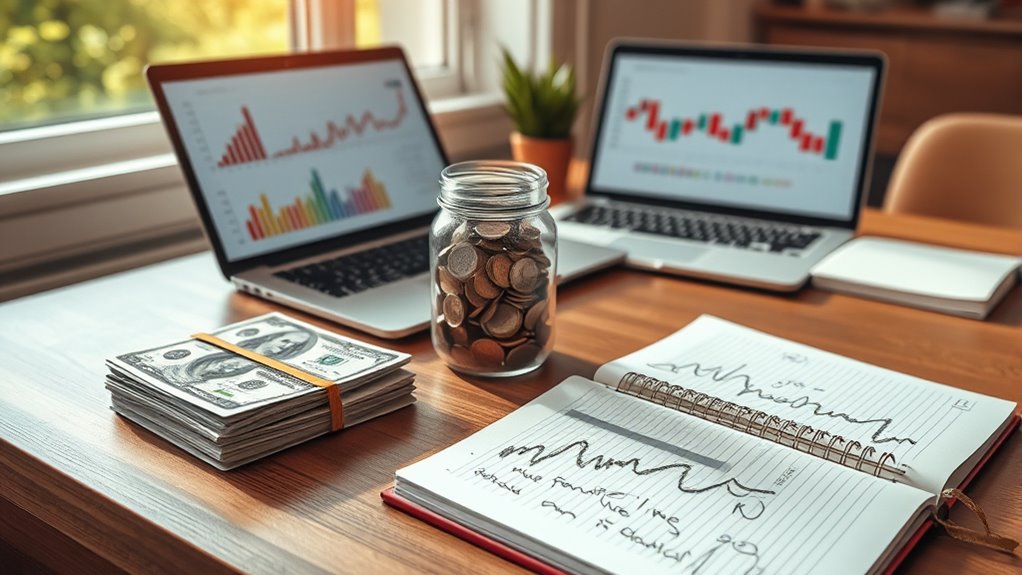

Dollar-cost averaging means investing a fixed amount into an asset regularly, no matter the price. For example, if you invest $100 monthly, you’ll buy more shares when prices are low and fewer when they’re high. This strategy minimizes the impact of market fluctuations and helps you avoid timing mistakes. Over time, it can lower your average cost per share and build confidence. Keep going to discover how this simple approach can work for your goals.
Key Takeaways
- Dollar-cost averaging involves investing a fixed amount regularly, regardless of asset price fluctuations.
- When prices are low, the fixed investment buys more shares; when high, fewer shares are purchased.
- This strategy reduces the impact of market timing and smooths out short-term volatility.
- Over time, it can lower the average cost per share and potentially enhance long-term returns.
- Example: Investing $200 monthly into a stock, buying more shares during dips and fewer during peaks.

Dollar-cost averaging is a straightforward investment strategy that involves regularly investing a fixed amount of money into a particular asset, regardless of its price. This approach helps you avoid the pitfalls of trying to predict market movements and lets you stick to a disciplined investing plan. By consistently investing the same amount over time, you buy more shares when prices are low and fewer when prices are high, which can lead to a lower average cost per share. This method is especially useful if you want to minimize the impact of market volatility and reduce emotional decision-making. It offers a level of investment flexibility because you can choose how often and how much to invest, whether weekly, monthly, or quarterly, depending on your financial situation. Such flexibility allows you to adapt your investing schedule as your income or financial goals change, making dollar-cost averaging a versatile strategy.
One of the key advantages of dollar-cost averaging is that it diminishes the need for precise market timing. Many investors struggle with trying to buy when prices are low and sell when they’re high, which is challenging even for seasoned traders. Instead of worrying about perfect timing, dollar-cost averaging shifts the focus to consistent investing, smoothing out the effects of short-term market fluctuations. Over time, this approach can lead to more favorable long-term returns, especially if the market trends upward. It also reduces the risk of making a large investment at an inopportune moment when prices might be at a peak, which could lead to significant losses if the market declines afterward. Additionally, understanding Floating on Water can serve as a metaphor for how investments might fluctuate but remain steady over time with the right strategy.
Furthermore, dollar-cost averaging encourages discipline and patience, helping you stay committed to your investment plan during both market booms and downturns. When markets fall, your fixed investments buy more shares, which can boost your returns in the long run. Conversely, when prices rise, your fixed contribution buys fewer shares, but you’re still steadily building your position without the stress of timing the market precisely. This strategy doesn’t guarantee profits, but it does promote a steady, systematic approach that can help you avoid impulsive decisions driven by fear or greed.
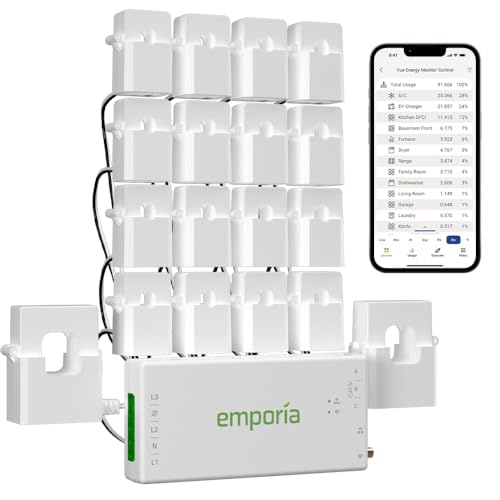
Emporia Vue 3 Home Energy Monitor - Smart Home Automation Module and Real Time Electricity Usage Monitor, Power Consumption Meter, Solar and Net Metering for UL Certified Safe Energy Monitoring
SAFETY YOU CAN TRUST WITH UL CERTIFICATION: With Emporia Energy, your home energy monitoring is safe, reliable, and...
As an affiliate, we earn on qualifying purchases.
Frequently Asked Questions
Can Dollar-Cost Averaging Be Used for Cryptocurrencies?
Yes, you can use dollar-cost averaging for cryptocurrencies. Given the high cryptocurrency volatility, this strategy helps you manage risk by spreading out your investments over time. Instead of trying to time the market, you buy a fixed amount regularly, smoothing out price fluctuations. Digital asset strategies like this are popular among investors seeking steady growth and reduced emotional decision-making in the unpredictable crypto space.
How Does Dollar-Cost Averaging Compare to Lump-Sum Investing?
So, you wanna know how dollar-cost averaging stacks up against lump-sum investing? Well, if you prefer to dodge the chaos of market volatility and aren’t in a rush, DCA is your buddy—spreading investment timing evenly. But if you’re brave enough to plunge right now, lump-sum could mean bigger gains (or losses). Choose wisely: patience versus risk, the eternal investing debate!
What Are the Tax Implications of Dollar-Cost Averaging?
When you use dollar-cost averaging, the tax treatment depends on your investment gains. You’ll owe capital gains taxes when you sell your investments for a profit, regardless of your purchase method. Since dollar-cost averaging spreads out purchases, it can help delay taxes and manage capital gains. However, be mindful that ongoing purchases don’t create immediate tax implications, only the eventual sale triggers potential taxes on your gains.
Is Dollar-Cost Averaging Effective During Market Downturns?
You bet it can be effective during market downturns. When market volatility increases, dollar-cost averaging helps you stay steady, avoiding the trap of trying to time the bottom. By regularly investing regardless of market conditions, you manage investor psychology and reduce emotional reactions. This approach spreads out risk and can position you for gains when the market recovers, proving that sometimes slow and steady really wins the race.
How Do Fees Impact the Effectiveness of Dollar-Cost Averaging?
Fees and transaction costs can cut into your dollar-cost averaging strategy’s effectiveness. When you make frequent investments, these investment fees add up, reducing your overall returns. To maximize benefits, you should look for low-cost options or investments with minimal transaction costs. By doing so, you guarantee that your regular investments truly work toward growing your wealth, rather than just covering the costs associated with buying in.
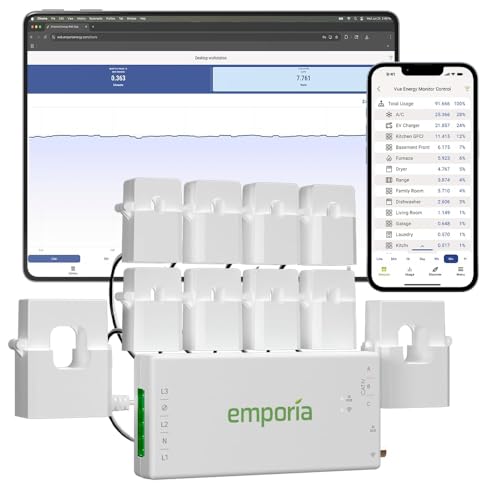
Emporia Vue 3 Home Energy Monitor - Smart Home Automation Module and Real Time Electricity Usage Monitor, Power Consumption Meter, Solar and Net Metering for UL Certified Safe Energy Monitoring
SAFETY YOU CAN TRUST WITH UL CERTIFICATION: With Emporia Energy, your home energy monitoring is safe, reliable, and...
As an affiliate, we earn on qualifying purchases.
Conclusion
By now, you see how dollar-cost averaging is your steady ship amid market storms, guiding you toward consistent investment success. Like a seasoned sailor steering unpredictable seas, this strategy helps you avoid the pitfalls of timing the market perfectly. Remember, it’s not about chasing quick wins but about building wealth steadily over time. Embrace the power of regular investing—your compass to financial stability and growth in any market conditions.

30A AC Power Meter, 125V L5-30P to L5-30R Generator Plug-in Energy Monitor with LCD Display, Voltage Current Wattage Frequency kWh Tester for Industrial and Backup Power Use
Clear Multi-Parameter Monitoring: Displays voltage, amperage, watt load, frequency, power factor, and total kWh. Provides straightforward readings to...
As an affiliate, we earn on qualifying purchases.

Smart Home Energy Monitor with Real-Time Accurate Energy Consumption Tracking, Supports Home Assistant, Electricity Usage Monitor with Local Control, Open API & Web UI, Solar Metering, ETL Certified
✨NEW✨ OpenClaw Support: Refoss devices now support OpenClaw AI-driven automation with Home Assistant for smarter, seamless control.
As an affiliate, we earn on qualifying purchases.