

By 2025, ESG investing continues to be a major force, with over 70% of global assets incorporating environmental, social, and governance factors. Investors remain committed, driven by climate change impacts, stricter regulations, and demand for transparency. Companies focus on sustainability, biodiversity, and clean tech, reinforcing the importance of responsible investing. If you want to understand how these trends shape your choices and the future of finance, there’s more to explore.
Key Takeaways
- ESG investing remains strong in 2025, driven by climate impacts and stricter regulations emphasizing environmental and social factors.
- Increased transparency and standardized disclosures boost investor confidence in ESG and resilience projects.
- Investors prioritize biodiversity and nature-positive strategies aligned with global conservation frameworks.
- Focus on clean energy and circular economy innovations continues to attract ESG-focused capital.
- Data-driven ESG strategies and regulatory developments ensure sustained commitment from investors and companies alike.

Are you wondering how ESG investing is evolving in 2025? The answer is a clear yes—you’re still very much a part of a movement that prioritizes environmental, social, and governance factors. The landscape has shifted markedly from earlier years, driven by climate change’s escalating impacts and tighter regulations. Now, you’re seeing increased investments in infrastructure and companies that focus on climate resilience, especially as extreme weather events become more frequent. Water management systems, catastrophe insurance, and sustainable agriculture have become growth areas, reflecting your concern for assets that help mitigate physical climate risks and promote environmental stability. Governments and regulators are also pushing for more robust climate risk management tools, which boosts your confidence in these resilience-themed assets. Enhanced monitoring and transparent reporting on adaptation efforts further reinforce trust, making it easier for you to identify projects with proven impacts. The rise of sustainability standards and disclosure requirements has also improved transparency, helping you make more informed decisions. Additionally, the integration of climate risk assessment into investment analysis is now standard practice, ensuring better preparedness and risk mitigation.
At the same time, your investment choices are increasingly aligned with preserving nature and biodiversity. You’re seeing a strong connection to the Global Biodiversity Framework, which guides portfolio allocations toward sustainable land use, forestry, and conservation tech. Anticipating regulations like the EU biodiversity disclosures and the TNFD guidelines, you prefer investments that offer standardized and transparent biodiversity-related disclosures. This shift isn’t just about doing good; it’s about reducing future risks and emancipating value, as markets recognize the importance of nature-positive strategies. By supporting ecosystem preservation, you’re helping future-proof your investments against environmental and regulatory risks, while also contributing to global conservation efforts.
The energy transition continues to accelerate, with your focus shifting toward electrification and clean energy. You’re investing heavily in renewables, electric vehicles, and grid innovations, buoyed by government incentives and policy support worldwide. Battery technology and charging infrastructure are hot spots, reflecting the broader move away from fossil fuels. The diversity of clean energy technologies—solar, wind, and emerging options—allows you to spread your risk while maximizing potential returns. The sector benefits from public-private collaborations and technological advances, fueling sustainable growth that aligns with your climate goals.
Efficiency and circularity are also gaining ground. You’re supporting projects that improve resource and energy efficiency—like industrial process optimization, building retrofits, and advanced recycling systems. The EU Circular Economy Action Plan guides many of these investments, emphasizing lifecycle analysis and material reuse. Circular business models are increasingly attractive, as they combine sustainability with cost savings, giving you a dual benefit. Meanwhile, early-stage technologies such as green hydrogen and carbon capture attract selective investments, reflecting your cautious approach to innovation while supporting long-term decarbonization.
Finally, companies are sharpening their ESG focus, targeting material risks and compliance. You’re paying close attention to how they adapt governance strategies amid rising legal and regulatory pressures. Overall, in 2025, ESG investing isn’t just a trend; it’s a core part of your strategy—focused, data-driven, and aligned with the broader push toward a sustainable future.

COMFEE’ Countertop Dishwasher, Energy Star Portable Dishwasher, 6 Place Settings & 8 Washing Programs, Speed, Baby-Care, ECO& Glass, Dish Washer for Dorm, RV& Apartment, Black
6 Place Setting- A perfect size (H17.2″×W21.6″×D19.7″) for 2-3 people, COMFEE’ compact dishwasher is suitable for dorms, RVs,...
As an affiliate, we earn on qualifying purchases.
Frequently Asked Questions
How Has ESG Investing Influenced Global Economic Policy by 2025?
You see that ESG investing has markedly shaped global economic policies by 2025. Governments now embed sustainability, social equity, and corporate governance into their strategies, using incentives like subsidies and tax benefits. Europe leads with strict regulations, while the U.S. shows varied approaches. Asia-Pacific nations adopt ESG policies to attract investment. Overall, ESG drives a shift toward more responsible, sustainable growth, affecting everything from public investments to international standards.
What Are the Biggest Challenges ESG Funds Face Today?
You see that ESG funds face major hurdles today, from tighter regulations like the EU’s new naming rules, to complex compliance across different countries. You also notice political headwinds, especially in the US and Europe, which create uncertainty and reduce investor confidence. Market performance issues, including record outflows and skepticism about returns, further challenge ESG investing. Meanwhile, communication gaps and evolving definitions make it harder for you and others to assess ESG’s true impact.
How Do Individual Investors Evaluate ESG Performance in 2025?
You’re swimming in a sea of ESG data like a tiny boat in a storm. To evaluate performance, you rely on materiality-focused, industry-specific metrics, and standardized scores, all backed by quantitative data. You scrutinize regulatory compliance, watch for greenwashing, and use advanced analytics and real-time dashboards. Your priority is material risks that could impact returns, balancing environmental, social, and governance factors while demanding transparency and authentic disclosures.
Are ESG Investing Returns Outperforming Traditional Investments Now?
You’ll find that ESG investing returns are holding up well compared to traditional investments. Over the past decade, they’ve delivered similar performance, with clean energy stocks even outperforming traditional energy sectors. In 2025, ESG bond funds stay resilient, and equity markets see ESG stocks keeping pace. As individual investors increasingly favor climate-aligned strategies, the focus remains on sustainable growth, making ESG investments a competitive option for your portfolio.
How Has Technology Impacted ESG Data Transparency and Trust?
While it’s often said that transparency and trust in ESG data have been enhanced, it’s true that technology has played a pivotal role. You benefit from advanced tools like blockchain verifying data authenticity, AI streamlining analysis, and automated reporting making disclosure easier. These innovations help you access more accurate, reliable information, fostering stakeholder confidence. As a result, ESG reporting becomes more credible, aligning better with regulatory expectations and strengthening your organization’s reputation.
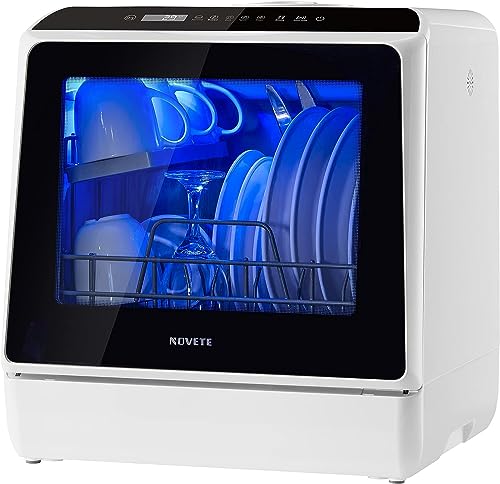
NOVETE Portable Countertop Dishwashers, Compact Dishwashers with 5L Built-in Water Tank & Inlet Hose, 5 Washing Programs, Baby Care, Air-Dry Function and LED Light for Small Apartments
【SMALL SIZE, LARGE CAPACITY】This portable dishwasher only measures 16.9 x 16.8 x 18.1 inches, but holds 4 full...
As an affiliate, we earn on qualifying purchases.
Conclusion
By 2025, ESG investing remains crucial, but your priorities might shift. Imagine your investment in a renewable energy startup that not only profits you but also reduces carbon footprints globally. If you choose companies committed to sustainability, you help shape a better future. Ultimately, ESG isn’t just a trend; it’s about making mindful choices that align with your values. So, will you continue to support responsible companies and influence positive change in 2025?

EUHOMY Countertop Dishwasher Portable with 6 Programs, 5L Built-in Water Tank for Apartments & RV, 167℉ High-Temp, No Hookup Needed, Mini Dishwasher with Baby Care, Air Dry/Quick/ECO/Fruit/Normal Mode
𝐍𝐨 𝐈𝐧𝐬𝐭𝐚𝐥𝐥𝐚𝐭𝐢𝐨𝐧 — 𝐓𝐚𝐧𝐤 𝐨𝐫 𝐅𝐚𝐮𝐜𝐞𝐭, 𝐑𝐞𝐚𝐝𝐲 𝐅𝐚𝐬𝐭: No permanent setup required. Use the built-in 5L (1.32 gal)...
As an affiliate, we earn on qualifying purchases.

COMFEE’ Portable Mini Dishwasher, Energy Star, Countertop, 6 Place Settings, with 8 Washing Programs, Speed, Baby-Care, ECO& Glass, Dish Washer for Dorm, RV& Apartment, White
【6 Place Setting】- A perfect size (H17.2″×W20.6″×D21.6″) for 2-3 people, COMFEE’ compact dishwasher is suitable for dorms, RVs,...
As an affiliate, we earn on qualifying purchases.