
To understand your investment portfolio and set proper asset allocation for 2025, you should focus on balancing growth and stability based on your goals and risk tolerance. Diversify across sectors like technology, real estate, and emerging markets to reduce volatility and enhance returns. Rebalance regularly to keep your mix aligned with your objectives. If you want to optimize your investments for the coming years, exploring more about these strategies can help you build a resilient portfolio.
Key Takeaways
- Asset allocation involves dividing investments among stocks, bonds, and other assets to balance risk and growth potential.
- Diversifying across sectors and asset classes reduces volatility and enhances resilience for 2025 financial goals.
- Rebalancing your portfolio periodically maintains the desired risk level and adapts to market changes.
- Choosing the right portfolio type (growth, income, balanced) depends on your time horizon and risk tolerance.
- Simplifying holdings and focusing on core assets help manage your portfolio effectively for long-term success.

Understanding your investment portfolio is essential to achieving your financial goals. Your portfolio is the collection of assets you own, and how you mix different types influences your risk level and potential returns. Typically, portfolios include stocks, bonds, cash, and real estate, carefully combined to balance growth and stability. For 2025, knowing how to allocate these assets effectively can make a significant difference in reaching your objectives.
If you’re aiming for growth, a growth-focused portfolio centers on stocks that are expected to appreciate over the long term. This approach suits investors with a high risk tolerance and a long investment horizon, willing to tolerate market fluctuations for the chance of higher returns. Conversely, if your priority is steady income and capital preservation, an income portfolio emphasizes bonds and income-generating assets. This setup offers more stability and regular returns, ideal if you’re closer to retirement or prefer less volatility.
A balanced portfolio blends stocks and bonds to moderate risk while still capturing growth opportunities. This mix helps you avoid putting all your eggs in one basket, reducing exposure to market swings. For diversification beyond traditional assets, you might consider alternative investments like commodities or private equity, which can further protect your holdings from market downturns.
Looking ahead to 2025, diversification strategies can position your portfolio for growth. Spreading investments across sectors like technology, renewable energy, and real estate can tap into emerging opportunities. Diversification across different asset types tends to improve risk-adjusted returns by reducing the impact of volatility in any single market segment. Including emerging sectors and assets can also boost resilience, especially amid shifting economic conditions.
Simplifying your portfolio can make managing it easier. You might choose broad market ETFs, which provide exposure to entire sectors or indexes, reducing complexity. Limiting the number of funds you hold helps streamline monitoring and decision-making, while focusing on core holdings aligned with your goals prevents over-diversification that can dilute returns. Periodic rebalancing keeps your asset allocation aligned with your risk tolerance, adjusting for market changes without excessive trading or fees.
Rebalancing should be a regular practice, evaluating your portfolio’s performance against your financial goals. It allows you to capitalize on market opportunities and avoid overexposure to any particular sector or asset class. Your risk tolerance and time horizon are vital in shaping your strategy. Longer periods allow for more equity exposure, while shorter timelines favor bonds and stable assets to protect your capital.
Historically, growth portfolios have delivered higher average returns but with increased short-term fluctuations. Income portfolios tend to be more stable but offer lower growth. Understanding these dynamics helps you tailor your asset allocation to meet your personal financial goals, ensuring your investment plan aligns with your risk comfort and timeline for reaching your objectives.
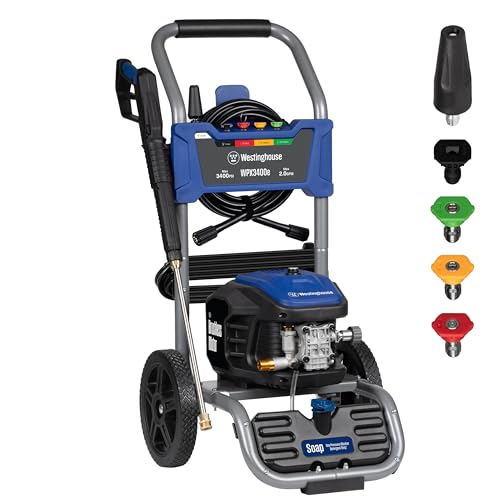
Westinghouse WPX3400e Electric Pressure Washer, 3400 Max PSI and 2.0 Max GPM, Brushless Motor, Onboard Soap Tank, Spray Gun and Wand, 5 Nozzle Set, for Cars/Fences/Driveways/Homes/Patios/Furniture
Delivers 3400 max PSI and 2 max GPM (at lowest pressure), and 3000 rated PSI and 1.1 rated...
As an affiliate, we earn on qualifying purchases.
Frequently Asked Questions
How Often Should I Rebalance My Investment Portfolio?
You wonder how often you should rebalance your portfolio. It depends on your goals, risk tolerance, and market conditions. Generally, rebalancing once a year works well for most investors, keeping costs manageable while maintaining your desired asset mix. If markets are volatile, consider rebalancing more frequently, like semi-annually or quarterly. Just remember to balance the benefits of rebalancing with the costs and effort involved.
What Role Does International Investing Play in Asset Allocation?
International investing plays a crucial role in your asset allocation by providing diversification, which helps reduce risk and boost potential returns. You can gain exposure to markets outperforming the US, like Europe and Asia-Pacific, especially with emerging markets offering growth opportunities. Currency management is important to maximize gains. By including international assets, you balance your portfolio against local economic shifts and benefit from global economic trends.
How Do Tax Considerations Affect My Asset Allocation Choices?
Imagine you’re choosing between bonds in a taxable account and stocks in a tax-advantaged account. Tax considerations heavily influence your decision because bonds generate interest income taxed at higher rates, so holding them in tax-advantaged accounts minimizes taxes. You’ll want to strategically allocate assets based on tax efficiency, ensuring you maximize after-tax returns. Proper planning reduces your tax burden and enhances your overall investment growth.
Should I Include Alternative Investments in My Portfolio?
You should consider including alternative investments in your portfolio because they can boost returns and improve diversification. They offer access to private markets, private credit, hedge funds, and infrastructure, which often perform differently than traditional assets. However, be mindful of higher risks, market dispersion, and regulatory changes. By carefully selecting alternatives suited to your risk tolerance, you can enhance your portfolio’s resilience and capitalize on emerging opportunities.
How Can I Tailor My Asset Allocation During Economic Shifts?
Imagine your portfolio steering through stormy economic waters—what’s your game plan? During economic shifts, you should adjust your asset allocation by diversifying across sectors like energy, defense, and tech, which benefit from current trends. Reduce overexposure to overvalued stocks and increase holdings in real assets or private markets for stability. Rebalance regularly to stay aligned with evolving risks and opportunities, ensuring your investments weather the storms and emerge stronger.

Westinghouse ePX3100 Electric Pressure Washer, 2300 Max PSI 1.76 Max GPM with Anti-Tipping Technology, Onboard Soap Tank, Pro-Style Steel Wand, 5-Nozzle Set, for Cars/Fences/Driveways/Home/Patios
Delivers 2300 max PSI and 1.76 max GPM (at lowest pressure), and 1900 rated PSI and 1.24 rated...
As an affiliate, we earn on qualifying purchases.
Conclusion
Remember, a well-diversified portfolio helps manage risk and build wealth over time. Even if it feels overwhelming now, starting with simple asset allocation strategies can make a big difference by 2025. Don’t let fear of complexity hold you back—your future self will thank you for taking small, consistent steps today. Stay patient, stay informed, and keep adjusting as your goals and market conditions evolve. Your smart investments now set the foundation for tomorrow’s financial security.
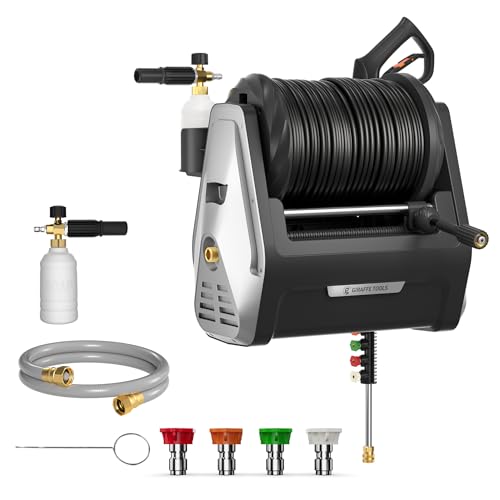
Giraffe Tools Wall Mounted Pressure Washer Essential with Upgraded 1800W Motor, 2900 PSI, 2.2 GPM Electric Power Washer, Automatic Rewind, 100ft Pressure Hoses, 5 Nozzles for Floor/Cars/Fences/Patios
2-Year Hassle-Free Warranty: Free repairs for any quality issues. We fix it right—promptly & professionally. Relax, We've got...
As an affiliate, we earn on qualifying purchases.

Westinghouse ePX3100v Electric Pressure Washer, 2100 Max PSI 1.76 Max GPM, Built-in Carry Handle, Detachable Foam Cannon, Pro-Style Steel Wand, 3-Nozzle Set, for Cars/Fences/Driveways/Home/Patios
Delivers 2100 max PSI and 1.76 max GPM (at lowest pressure), and 1800 rated PSI and 1.2 rated...
As an affiliate, we earn on qualifying purchases.