

To avoid lifestyle creep, set clear limits on your luxury spending and create a budget for indulgences, ensuring they don’t take over your finances. Regularly review and cancel unused subscriptions to prevent hidden costs. Practice mindful spending by evaluating if purchases align with your long-term goals before making them. Automate savings from your paycheck and monitor your financial progress consistently. Staying vigilant about your spending habits helps you maintain financial security—continue exploring these strategies to stay on track.
Key Takeaways
- Set clear limits on luxury and discretionary spending to prevent expenses from escalating with income increases.
- Regularly review and cancel unused subscriptions to avoid hidden costs adding up unnoticed.
- Practice mindful spending by assessing if purchases align with your long-term financial goals.
- Automate savings to ensure consistent contributions and reduce the temptation to overspend.
- Monitor your financial progress frequently to identify lifestyle creep early and make necessary adjustments.

Lifestyle creep happens when your expenses grow as your income increases, gradually eroding your savings and financial goals. It’s easy to fall into this trap if you’re not mindful of your spending habits. One of the key areas where lifestyle creep manifests is in luxury spending—those tempting splurges on designer clothes, fancy gadgets, or expensive dining. While treating yourself occasionally is fine, making luxury spending a regular habit can quickly sabotage your financial progress. To prevent this, you need to set clear boundaries around what constitutes a worthwhile indulgence and avoid making impulsive purchases just because you can afford them. Creating a budget that allocates a specific amount for luxury spending helps you enjoy these treats without letting them spiral out of control. Remember, it’s about enjoying the finer things without letting them take over your financial landscape.
Set clear limits on luxury spending to enjoy indulgences without undermining your financial goals.
Another effective way to keep lifestyle creep in check is through subscription management. Subscription services have become more popular, offering convenience and variety, but they also tend to sneak up on you financially. You might sign up for streaming platforms, meal kits, or gym memberships, thinking they’re small expenses, but over time, these charges add up profoundly. Regularly reviewing your subscriptions and canceling the ones you no longer use or need can save you a lot of money. Many people forget about subscriptions that automatically renew or don’t realize how many they’ve accumulated. By actively managing your subscriptions—perhaps once a month—you regain control over your expenses and prevent them from quietly eating into your savings. Additionally, being aware of lifestyle creep and how it relates to your overall spending can help you stay vigilant against unnecessary expenses.
Beyond luxury spending and subscription management, practicing mindful spending overall is vital. Before making a purchase, ask yourself if it aligns with your long-term goals. Will this expense help you build wealth or just serve as a fleeting gratification? Developing this habit can help you prioritize needs over wants and resist the urge to upgrade your lifestyle unnecessarily. It’s also wise to automate your savings—set up automatic transfers to your savings account or investments right after each paycheck. This way, you pay yourself first, and your spending becomes more disciplined.
Finally, stay aware of your financial progress. Regularly review your budget and savings goals to measure your success and adjust if needed. Recognizing the signs of lifestyle creep early allows you to take corrective action before it impacts your financial security. By consciously managing luxury spending, controlling subscription costs, and practicing mindful spending habits, you’ll be better equipped to maintain financial stability and achieve your long-term goals, even as your income grows.
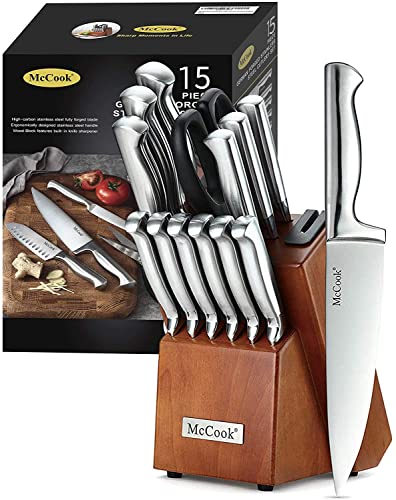
McCook® Knife Sets, German Stainless Steel Kitchen Knife Block Sets with Built-in Sharpener
【Exclusive Built-in Sharpener】Kitchen knife set with sharpener is amazing. The self-sharpening block keeps the knives razor sharp effectively....
As an affiliate, we earn on qualifying purchases.
Frequently Asked Questions
How Can I Recognize Early Signs of Lifestyle Creep?
You can recognize early signs of lifestyle creep by paying close attention to your expenses awareness. If your spending suddenly increases without a clear reason, it’s a sign you’re experiencing spending triggers. Track your expenses regularly and compare them to your income. Notice if you’re spending more on non-essential items or upgrading your lifestyle. Being mindful helps you catch these signs early and maintain control over your finances.
What Are Effective Ways to Set Financial Boundaries?
You can set effective financial boundaries by implementing budgeting strategies that allocate specific amounts for expenses and savings. Regularly review your budget to stay accountable and adjust as needed, ensuring you don’t overspend. Communicate your financial goals with trusted friends or family to build accountability. These practices help you maintain control over your spending, prevent lifestyle creep, and keep your financial health on track.
How Does Lifestyle Creep Impact Long-Term Financial Goals?
If you don’t watch your spending habits, lifestyle creep can quietly derail your long-term financial goals. As your expenses gradually increase, your savings and investments shrink, making it harder to achieve dreams like retirement or buying a home. Staying disciplined with your finances is essential; without it, small sacrifices now could lead to missed opportunities later. Keep your eye on the prize, and don’t let lifestyle creep erode your financial future.
Can Lifestyle Creep Be Avoided Entirely?
You can’t completely avoid lifestyle creep, but you can minimize it with spending awareness and expense tracking. By regularly reviewing your expenses and recognizing when your spending increases, you stay in control. Setting clear financial goals and sticking to a budget helps prevent unnecessary upgrades and keeps your long-term plans on track. Staying mindful of your habits allows you to enjoy progress without letting lifestyle creep derail your financial stability.
What Role Does Mindful Spending Play in Prevention?
You might find that mindful spending plays a pivotal role in prevention, often by coincidence. When you stay aware of your budget and notice how small expenses add up, you naturally improve your spending habits. This increased budget awareness helps you resist unnecessary temptations, making it easier to control lifestyle creep. Ultimately, being intentional with your money keeps your financial goals on track and prevents lifestyle inflation from sneaking in.

Knife Set, Astercook 15 Pieces Knife Sets for Kitchen with Block, Dishwasher Safe Kitchen Knife Set with Built in Sharpener Block, German Stainless Steel Knife Block Set, Valentine's Gift
【15 Pieces Multipurpose Knife Set】 15 pieces knife set includes: 8" Chef knife, 8" Slicing knife, 7" Santoku...
As an affiliate, we earn on qualifying purchases.
Conclusion
Staying mindful of your spending helps you avoid lifestyle creep and secure your financial future. Remember, studies show that the average American increases their expenses by over 60% within just five years of a raise. By sticking to your budget and prioritizing savings, you can enjoy your current lifestyle without sacrificing future security. Keep these tips in mind, and you’ll maintain control over your finances—so you can live comfortably today and tomorrow.

HENCKELS Statement Premium Quality 15-Piece Set with Block, Natural, Razor-Sharp, German Engineered Informed by 100+ Years of Mastery, Lightweight and Strong, Dishwasher Safe
ULTRA-SHARP BLADES: Superior professional-level sharpness that ensures precision cutting.
As an affiliate, we earn on qualifying purchases.

Ring Battery Doorbell, Home or business security with Head-to-Toe video, Live View with Two-Way Talk, and Motion Detection & Alerts, Venetian Bronze
See more at your home or business — Get 66% more vertical coverage with the latest version of...
As an affiliate, we earn on qualifying purchases.