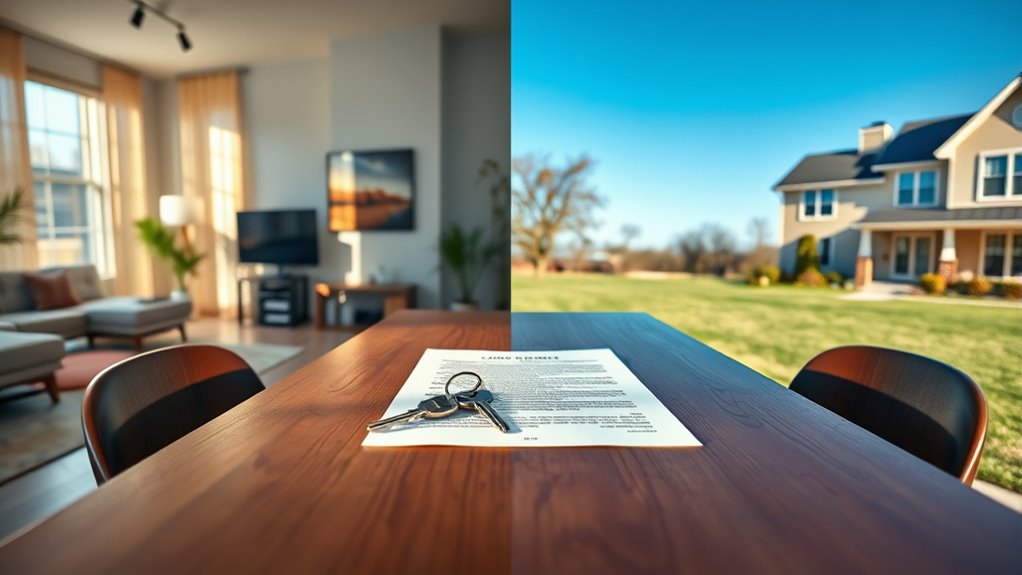

When deciding between renting and buying, consider your financial stability and long-term plans. Owning a home comes with ongoing costs like property taxes and maintenance that can add up considerably, while renting usually involves fewer expenses and more flexibility. Buying builds equity, but requires a larger upfront investment. If you’re interested in understanding how these costs impact your budget and what fits your lifestyle, there’s more to explore.
Key Takeaways
- Consider long-term financial stability and whether you can afford ongoing property taxes and maintenance costs.
- Renting offers flexibility and fewer upfront costs, while buying builds equity and long-term wealth.
- Property taxes can fluctuate and significantly impact your annual housing expenses.
- Homeownership involves responsibilities for repairs and upkeep, unlike renting where landlords handle maintenance.
- Your decision should align with your lifestyle, future plans, and ability to manage recurring homeownership expenses.

Deciding whether to rent or buy a home can substantially impact your financial future and lifestyle. It’s a choice that affects your monthly expenses, long-term savings, and overall stability. One of the most significant factors to consider is how property taxes and maintenance costs will influence your budget. When you buy a home, you’ll be responsible for property taxes, which can vary widely depending on the location and the home’s value. These taxes are an ongoing expense that increases your overall housing costs. Unlike rent, which often includes property taxes in the lease, as a homeowner, you’ll need to budget for these additional payments, sometimes paying them twice a year or in escrow with your mortgage. This can catch many new homeowners off guard if they’re not prepared for the fluctuating or sometimes high property tax bills.
Property taxes and maintenance costs significantly affect your homeownership budget and long-term financial stability.
Maintenance costs are another critical element. When renting, most repairs and upkeep are handled by the landlord or property management company. This means you don’t have to worry about unexpected expenses for fixing a leaky roof, replacing a broken appliance, or maintaining the yard. As a homeowner, however, those costs fall squarely on your shoulders. Maintenance costs can be unpredictable and sometimes substantial, especially if the home is older or hasn’t been well-maintained. You need to set aside a portion of your budget for these expenses, often recommended as about 1-2% of the home’s value annually. This ongoing expense can feel burdensome if you’re not prepared, but it also gives you control over repairs and renovations. Additionally, understanding homeownership costs can help you better plan your finances and avoid surprises.
Furthermore, owning a home allows you to build equity over time, which can be a valuable financial asset. Yet, the upfront costs of buying—like a down payment, closing costs, and ongoing property taxes—are significant. Renting, on the other hand, typically requires less initial cash outlay and provides greater flexibility to move if your circumstances change. However, rent payments do not contribute to your ownership or long-term wealth building. Instead, they go directly to your landlord, which means you’re paying for someone else’s investment rather than your own.
Ultimately, the decision hinges on your financial situation, lifestyle preferences, and long-term goals. If you’re financially prepared for property taxes and maintenance costs and plan to stay put for years, buying could be a wise choice. If you prefer flexibility and want to avoid unexpected upkeep expenses, renting might be better suited for you. Understanding how these costs impact your budget is vital in making an informed decision that aligns with your future plans.

Ring Battery Doorbell, Home or business security with Head-to-Toe video, Live View with Two-Way Talk, and Motion Detection & Alerts, Venetian Bronze
See more at your home or business — Get 66% more vertical coverage with the latest version of...
As an affiliate, we earn on qualifying purchases.
Frequently Asked Questions
How Does Credit Score Impact Rental and Purchase Options?
Your credit score considerably impacts your rental and purchase options by influencing your credit impact and loan eligibility. A higher score can make it easier to secure favorable rental agreements and mortgage loans, often with better terms. Conversely, a lower score may limit your choices or lead to higher interest rates. Maintaining good credit enhances your chances of approval and helps you access the best financial options for renting or buying a home.
What Are Hidden Costs Associated With Renting and Buying?
Hidden expenses can catch you off guard, so it’s wise to take into account maintenance costs and additional fees. When renting, you might face unexpected charges for repairs or utilities beyond your lease. Buying involves ongoing maintenance costs, property taxes, and insurance that may not be upfront. These hidden expenses add up over time, so budgeting carefully ensures you’re prepared for the true costs of your home, whether renting or buying.
How Do Market Fluctuations Affect Renting and Buying Decisions?
Market fluctuations influence your renting and buying decisions by making timing essential. When property trends show rising prices, you might delay buying or look for better deals, while falling prices could encourage you to buy sooner. Renting offers flexibility during uncertain markets, but if prices drop, locking in a fixed-rate mortgage might save you money. Staying aware of market timing helps you make smarter choices aligned with current trends.
What Tax Benefits Are Available for Homeowners Versus Renters?
While it might seem tempting to overlook tax benefits, as a homeowner, you can take advantage of deductions like mortgage interest and property taxes, which can substantially lower your taxable income. Renters miss out on these perks, but they enjoy flexibility. If you’re ready to settle, owning offers valuable financial advantages, helping you keep more of your money through these tax benefits and long-term investment potential.
How Does Future Neighborhood Development Influence Property Value?
Future neighborhood development impacts your property value through urban growth and zoning changes. When urban growth accelerates, your area may see improved infrastructure, amenities, and increased demand, boosting property prices. Conversely, unfavorable zoning changes like commercial or industrial development can decrease desirability and value. Staying informed about local development plans helps you anticipate how these factors might influence your investment and decide whether to buy or hold onto your property.

Epson RapidReceipt RR-70W Wireless Mobile Tax Receipt and Color Document Scanner with Complimentary Data Management Software for PC and Mac
ScanSmart AI PRO Technology — Intelligently convert and extract scanned information into smart digital data – making your...
As an affiliate, we earn on qualifying purchases.
Conclusion
Ultimately, whether you choose to rent or buy, think of it as planting a seed in your financial garden. Renting lets you enjoy the breeze and explore new blooms, while buying anchors you like a sturdy oak, growing stronger over time. Trust your instincts to guide you toward the path that feels right, and remember, both options can lead to a beautiful, flourishing future—just like a well-tended landscape, your decision shapes your personal horizon.

NeatReceipts Mobile Scanner and Digital Filing System - PC
Slim and lightweight, can run on USB from your computer
As an affiliate, we earn on qualifying purchases.
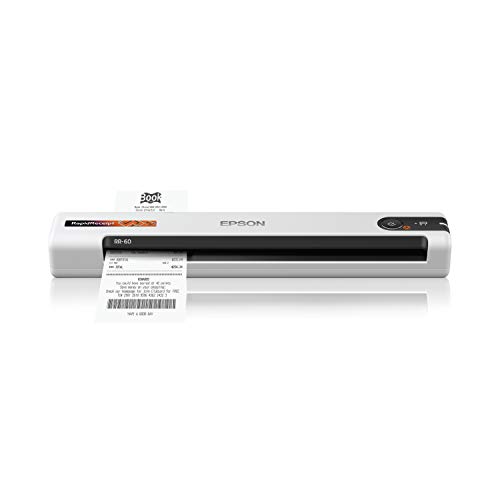
Epson RapidReceipt RR-60 Mobile Tax Receipt and Color Document Scanner with Complimentary Data Management Software for PC & Mac
ScanSmart AI PRO Technology — Intelligently convert and extract scanned information into smart digital data – making your...
As an affiliate, we earn on qualifying purchases.