
Starting in May 2025, student loan payments resume after a pandemic pause, so it’s essential to prepare now. Review your repayment options, especially income-driven plans, which could lower your payments or even make them zero if your income qualifies. Contact the Department of Education’s Default Resolution Group early to explore rehab or repayment plans to avoid garnishments. If you want step-by-step tips to stay on top, keep going to learn more.
Key Takeaways
- Review your repayment options promptly; consider income-driven plans or rehabilitation to avoid default and garnishments.
- Use new tools like the Loan Simulator and AI Assistant to find the best repayment plan for your situation.
- Stay informed through StudentAid.gov and email updates about upcoming payments and changes to repayment plans.
- Contact the Default Resolution Group early to explore options and prevent severe collection actions.
- Prepare financially for potential increased payments, especially if moving from forbearance or previous low-payment plans.

After a pause during the pandemic, student loan payments are resuming in May 2025. If you’re one of the millions with federal student loans, it’s essential to start preparing now. The collection activities will restart on May 5, 2025, including the Treasury Offset Program, which could impact your tax refunds if you’re in default. Guaranty agencies might also begin involuntary collections on Federal Family Education Loan Program loans, and if you’re in default, you’ll receive email notifications detailing your options to resolve your debt. Later in the summer, administrative wage garnishments will kick in for those who still haven’t addressed their defaults, so it’s crucial to act before that happens to avoid paycheck deductions. Defaulted borrowers will also be contacted directly by the Department of Education to outline repayment options.
If you’re enrolled in an Income-Driven Repayment (IDR) plan, note that processing resumes by May 10, 2025. However, the SAVE plan has been discontinued, so if you’re on it, you’ll need to switch to another plan, typically resulting in higher payments. PAYE and IBR plans will remain low-payment options; if your income is below 150% of the federal poverty line, you might even qualify for $0 payments. Starting mid-2025, the enhanced IDR process will make enrollment easier and eliminate the need for annual income recertification. Still, it’s wise to consult a tax professional because changing your repayment plan could have tax implications, especially if your income fluctuates or your filing status changes.
To help you navigate these changes, the Department of Education’s Federal Student Aid (FSA) will launch a campaign to educate borrowers about repayment options and responsibilities. They’re rolling out new tools, like the Loan Simulator and AI Assistant (Aiden), to assist you in choosing the best plan. Call center hours will be extended, making it easier to get personalized help, and you’ll see ongoing reminders via email and social media about upcoming payments and available resources. All updates will be posted regularly on StudentAid.gov, so staying informed will be your best strategy.
If you’re currently in forbearance under the SAVE plan, be aware that interest will start accruing on August 1, 2025. As forbearance ends within months after collections resume, you’ll need to select a new repayment plan, often resulting in higher monthly payments compared to your previous arrangement. If your income remains low, you may still qualify for minimal or zero payments under different IDR options, but understanding these changes is essential to avoid surprises.
For those in default, the resumption of collections means immediate wage garnishments and tax offsets. The good news is that you can avoid severe actions by rehabilitating your loan, enrolling in an IDR plan, or making consistent payments. The FSA urges defaulted borrowers to contact the Default Resolution Group promptly. Ignoring these notices only increases your risk of garnishments and credit damage. Staying proactive and exploring all available options will help you manage repayment and minimize financial stress as the student loan system returns to normal.
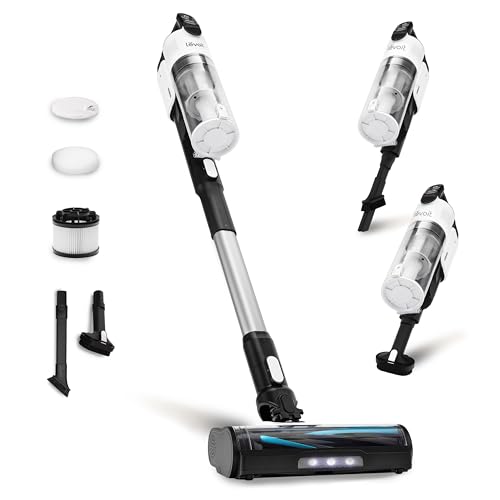
LEVOIT Cordless Vacuum Cleaner, Stick Vac with Tangle-Resistant Design, Up to 50 Minutes, Powerful Suction, Rechargeable, Lightweight, and Versatile for Carpet, Hard Floor, Pet Hair, LVAC-200
Tangle-Resistant Design: Pick up more hair and deal with less tangles, whether it’s human hair or pet hair.
As an affiliate, we earn on qualifying purchases.
Frequently Asked Questions
How Can I Check My Current Student Loan Balance?
To check your current student loan balance, start by logging into the Federal Student Aid website at StudentAid.gov using your FSA ID credentials. Once signed in, view your dashboard to see all federal loans, including balances, interest rates, and repayment status. For the most up-to-date information, contact your loan servicer directly through their website or customer service. Remember, private loans won’t appear on this site, so check with your lender if needed.
Are There New Repayment Options Available in 2025?
Think of your options as a toolbox, with new tools added in 2025. You now have the One Big Beautiful Bill Act’s RAP, which bases payments on gross income, and the SAVE Plan, moving to regular payments. Plus, you can qualify for forgiveness after 20 or 25 years. Use the Loan Simulator to explore these options and choose the best fit for your financial journey.
What Should I Do if I Can’t Afford My Payments?
If you can’t afford your payments, start by contacting your loan servicer right away. Ask about deferment or forbearance options to temporarily pause payments, but be aware of interest accrual. Consider switching to an income-driven repayment plan to lower your monthly amount. Use tools like the Loan Simulator to explore options, and stay informed through StudentAid.gov for updates and assistance. Acting promptly helps prevent default and keeps your loans manageable.
Can I Change My Repayment Plan After Resuming Payments?
Did you know nearly 40% of borrowers switch plans within the first year? If you’ve already resumed payments, you can still change your repayment plan. Visit studentaid.gov to explore your options and submit a request. Keep in mind, some plans might have restrictions, and your eligibility depends on your loan type. Act promptly; switching plans can help you manage your payments more effectively and potentially lower your monthly costs.
Are There Any Forgiveness Programs Still Available?
Yes, some forgiveness programs are still available. You can qualify for Public Service Loan Forgiveness if you work full-time for a qualifying employer and make 120 qualifying payments. Income-Driven Repayment (IDR) plans also offer forgiveness after 20-25 years, though the tax-free benefit ends in 2025. Keep in mind, recent court rulings have affected other forgiveness options, so regularly check your loan account and consult your servicer for updates.

Bissell PowerClean FurGuard 280W Self-Standing Cordless Vacuum w/Self-Cleaning Brush Roll, Strong Suction, Removeable Battery, Wall Mount, Upholstery Tool & Bright Headlights
NO PET HAIR LEFT BEHIND. Find & capture pet hair everywhere with a powerful 280W motor and our...
As an affiliate, we earn on qualifying purchases.
Conclusion
Now that student loan payments are back, it’s a reminder that financial freedom isn’t just about avoiding debt — it’s about managing it wisely. Like a roller coaster, the ride has its ups and downs, but with smart strategies, you can handle the twists and turns with confidence. Remember, your future isn’t just about making payments — it’s about building a life where those payments don’t hold you back from your dreams.

Cordless Vacuum Cleaner, 600W 50KPA 70Mins Vacuum Cleaners for Home, Stick Vacuum with Charging Dock Station, Anti-tangle Wireless Vacumm, Rechargeable Cordless Vacuum for Pet Hair/Carpet/Hard Floor
【600W/50KPa Powerful Suction】Dsorupa cordless vacuum cleaner is equipped with the latest 550W brushless high-performance motor, which is able...
As an affiliate, we earn on qualifying purchases.

KARDV Cordless Vacuum Cleaner, 500W/40Kpa Vacuum Cleaners for Home, 60Mins Stick Vacuum with LED Display, Anti-Tangle & Wall Mount Charging, 8 in 1 Lightweight Vacuum for Hard Floors Carpet Pet Hair
【500W/40Kpa Powerful Suction】 The cordless vacuum cleaner is equipped with a powerful 450W motor, which provides a superb...
As an affiliate, we earn on qualifying purchases.