

To fill out a W-4, start by providing your personal info and choosing whether to claim the standard deduction or itemize. Use the worksheets to estimate your income, deductions, and credits, then enter those details to determine your withholding. You can also request extra withholding or claim exemptions. Regularly reviewing your W-4 guarantees your withholding stays accurate as your finances change—if you want to learn more, keep going.
Key Takeaways
- Complete personal information and filing status accurately on the W-4 form.
- Use IRS worksheets to estimate income, deductions, and adjustments for proper withholding.
- Claim allowances or use the new step-by-step personal withholding estimator for accuracy.
- Request additional withholding or exemptions if needed, based on your financial situation.
- Review and update your W-4 regularly, especially after life changes or income adjustments.

Filling out a W-4 might seem straightforward, but getting it right can help guarantee you’re not overpaying or underpaying taxes throughout the year. The key is understanding how your choices influence your tax withholding. When you complete the form, you’re fundamentally telling your employer how much money to withhold from each paycheck for federal taxes. If you don’t update your W-4 regularly, you might end up with a big tax bill or a sizable refund come tax season. To prevent this, it’s important to think about your current financial situation and any changes that might affect your tax liability.
One of the first steps is accurately reporting your income. If you have multiple jobs or a spouse who also works, you need to account for all sources of income. This helps verify your tax withholding aligns with your total expected annual earnings. The IRS provides worksheets and tools to help you estimate your taxable income, which can guide your choices on the form. Properly accounting for your income is vital because it affects your deduction adjustments and overall withholding amount. Additionally, using tax withholding tools can improve the accuracy of your estimates and help you avoid surprises.
Deduction adjustments are another critical aspect. You can claim the standard deduction or itemize deductions if they exceed the standard amount. When filling out your W-4, you can use the form’s section to specify deductions you’re eligible for, which directly influences how much tax is withheld. If you anticipate significant deductions, like mortgage interest or charitable contributions, adjusting your W-4 accordingly can reduce the amount withheld and increase your take-home pay. Conversely, if you expect to owe more taxes due to additional income or fewer deductions, you might want to increase your withholding to avoid a surprise tax bill later.
The form also allows you to make additional withholding requests or claim exemptions if appropriate. If you prefer a larger refund, you can opt to have more tax taken out throughout the year. Conversely, if you’re comfortable with a smaller refund and want to boost your regular paycheck, you can decrease your withholding. Remember, any changes you make should reflect your current financial situation, especially if you experience life changes such as marriage, divorce, or a new job. Regularly reviewing and updating your W-4 guarantees your tax withholding remains accurate, helping you avoid surprises when you file your return.

COMFEE’ Countertop Dishwasher, Energy Star Portable Dishwasher, 6 Place Settings & 8 Washing Programs, Speed, Baby-Care, ECO& Glass, Dish Washer for Dorm, RV& Apartment, Black
6 Place Setting- A perfect size (H17.2″×W21.6″×D19.7″) for 2-3 people, COMFEE’ compact dishwasher is suitable for dorms, RVs,...
As an affiliate, we earn on qualifying purchases.
Frequently Asked Questions
Can I Change My W-4 Form Mid-Year?
Yes, you can change your W-4 form anytime during the year. Updating it allows you to adjust your withholding allowances, which can impact your tax refund or the amount you owe. If you get a raise or your financial situation changes, submitting a new W-4 helps guarantee your withholding accurately reflects your current circumstances. Just submit the form to your employer, and your withholding will be adjusted accordingly.
How Do I Claim Multiple Jobs on My W-4?
Oh, claiming multiple jobs on your W-4 is a breeze—if you enjoy juggling complexity. You should use the IRS’s Tax Withholding Estimator or the Multiple Jobs Worksheet to accurately account for your multiple income sources. Don’t forget to take into account tax credits and withholding allowances, which can greatly influence your withholding. Properly claiming these guarantees you don’t get hit with a surprise tax bill or overpay throughout the year.
What Happens if I Don’t Submit a W-4?
If you don’t submit a W-4, your employer will withhold taxes at the highest rate, which could lead to overpaying or underpaying your taxes. This impacts your tax implications when you file your return, and you might owe a large amount if you haven’t adjusted withholding. Missing the filing deadlines for your W-4 can also cause penalties or delays, so it’s best to submit it promptly to guarantee accurate withholding.
Are There Penalties for Incorrect Withholding?
Yes, there can be penalties for incorrect withholding. If the IRS assesses a penalty due to withholding errors, you might face a penalty assessment for underpayment or late payment. These penalties serve to encourage accurate withholding and can increase your tax bill if you don’t update your W-4 properly. To avoid this, regularly review your withholding and make adjustments as needed to guarantee you’re withholding the correct amount.
How Often Should I Review My W-4?
You should review your W-4 at least once a year or whenever your financial situation changes, like a job change or marriage. Don’t wait until tax season to check your withholding allowances and refine your tax refund strategies. Regularly updating your W-4 guarantees you avoid surprises and maximize refunds or minimize liabilities. Staying proactive helps you stay in control of your finances and keeps your withholding aligned with your current life circumstances.
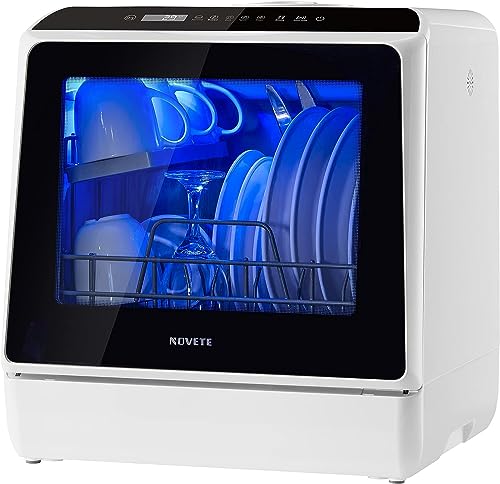
NOVETE Portable Countertop Dishwashers, Compact Dishwashers with 5L Built-in Water Tank & Inlet Hose, 5 Washing Programs, Baby Care, Air-Dry Function and LED Light for Small Apartments
【SMALL SIZE, LARGE CAPACITY】This portable dishwasher only measures 16.9 x 16.8 x 18.1 inches, but holds 4 full...
As an affiliate, we earn on qualifying purchases.
Conclusion
Filling out your W-4 might seem like a small step, but it shapes your financial future like the roots of a tree support its growth. When you understand and complete it correctly, you’re planting seeds for a smoother tax season and more control over your paycheck. Remember, taking charge now is like steering your ship—navigate wisely, and you’ll reach your destination with confidence and ease. Your financial health depends on the groundwork you lay today.

EUHOMY Countertop Dishwasher Portable with 6 Programs, 5L Built-in Water Tank for Apartments & RV, 167℉ High-Temp, No Hookup Needed, Mini Dishwasher with Baby Care, Air Dry/Quick/ECO/Fruit/Normal Mode
𝐍𝐨 𝐈𝐧𝐬𝐭𝐚𝐥𝐥𝐚𝐭𝐢𝐨𝐧 — 𝐓𝐚𝐧𝐤 𝐨𝐫 𝐅𝐚𝐮𝐜𝐞𝐭, 𝐑𝐞𝐚𝐝𝐲 𝐅𝐚𝐬𝐭: No permanent setup required. Use the built-in 5L (1.32 gal)...
As an affiliate, we earn on qualifying purchases.

COMFEE’ Portable Mini Dishwasher, Energy Star, Countertop, 6 Place Settings, with 8 Washing Programs, Speed, Baby-Care, ECO& Glass, Dish Washer for Dorm, RV& Apartment, White
【6 Place Setting】- A perfect size (H17.2″×W20.6″×D21.6″) for 2-3 people, COMFEE’ compact dishwasher is suitable for dorms, RVs,...
As an affiliate, we earn on qualifying purchases.