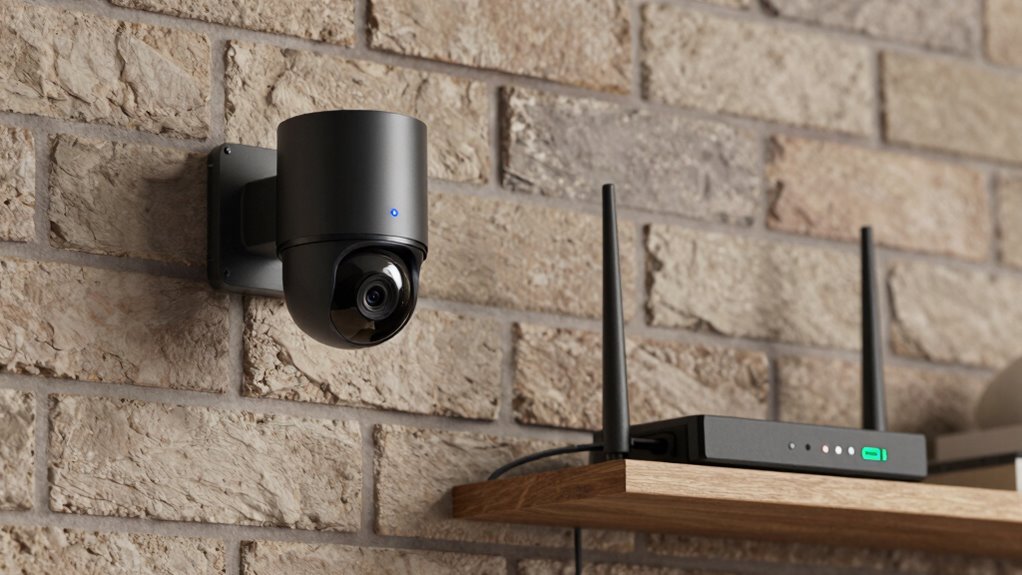

Local storage for home security devices means storing your footage directly on physical devices like DVRs, NVRs, or SD cards, so you stay in control of your data. You don’t rely on the internet or cloud services, which reduces risks of breaches or downtime. This setup offers straightforward access and better privacy. If you’re curious about how to maximize your security and protect your footage, there’s more to discover ahead.

Get everyday essentials delivered free with Prime
- Fast, free delivery on millions of items
- Prime Video, Amazon Music and more included
- Member-only deals all year
Key Takeaways
- Local storage stores security footage directly on physical devices like DVRs, NVRs, or SD cards within your home.
- It offers reliable access without relying on internet connectivity or third-party cloud services.
- Local storage gives users full control over footage retention, deletion, and security settings.
- Adding encryption enhances data security by protecting footage from unauthorized access.
- It may be vulnerable if physical devices are stolen or tampered with, requiring additional security measures.
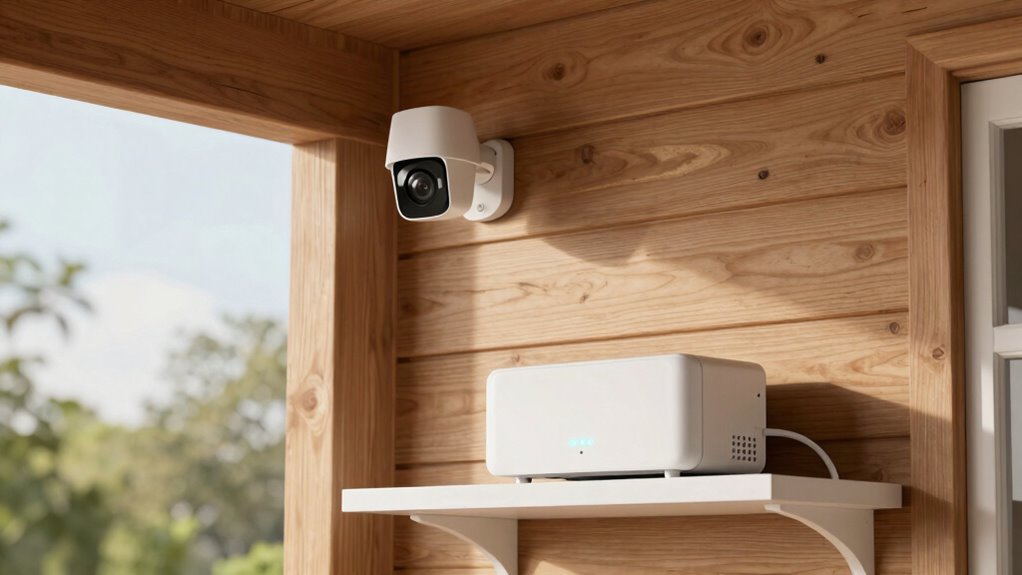
In today’s connected world, local storage plays a vital role in enhancing the security of your home security devices. When you think about how your cameras, doorbells, or alarm systems store footage or data, local storage offers a straightforward, reliable option. Unlike cloud-based solutions, which depend on internet connectivity and external servers, local storage keeps your data on physical devices like DVRs, NVRs, or SD cards tucked away inside your home. This means your footage remains within your control, reducing the risk of unauthorized access or data breaches.
Local storage keeps your home security footage within your control, reducing risks of unauthorized access and data breaches.
The importance of local storage becomes even clearer when you consider the benefits of cloud integration. Many modern home security systems combine local storage with cloud backup options. This hybrid approach ensures that if your local device is damaged or stolen, your footage is still safely stored off-site. It also allows you to access your data remotely without compromising security, provided that the system employs robust data encryption. Data encryption encrypts your footage during storage and transmission, making it unintelligible to hackers or anyone without the decryption keys. This extra layer of protection ensures your sensitive home security data stays private, even if someone attempts to intercept it.
With local storage, you eliminate some of the vulnerabilities associated with purely cloud-based systems. You won’t need to worry about internet outages affecting your ability to record or access footage, and you don’t rely on third-party servers that could be targeted or compromised. Additionally, local storage offers greater control over your data. You decide how much footage to keep, how long it stays stored, and when to delete it. Plus, many systems allow you to upgrade or expand your storage capacity easily, giving you flexibility as your needs grow. Understanding data sovereignty — where your data is stored and who controls it — is also an essential part of making an informed security choice. Knowing your data ownership rights helps ensure your privacy is maintained and that you retain full control over your stored footage.
Furthermore, choosing a system that emphasizes security features like data encryption and secure access controls is crucial for maintaining your privacy and protection. These features help prevent unauthorized access to your footage, whether stored locally or in the cloud. Incorporating user authentication mechanisms adds an additional layer of security, ensuring only authorized individuals can view your footage. When you combine local storage with features like cloud integration and data encryption, you create a comprehensive security setup. This setup not only safeguards your footage but also provides peace of mind, knowing your data is protected from both physical and digital threats. Additionally, understanding the limitations of local storage can help you better evaluate which system best fits your security needs.
In the end, understanding what local storage means for your home security devices helps you make informed decisions. It empowers you to select systems that prioritize your privacy and security while fitting seamlessly into your home’s security ecosystem.
DVR security system with local storage
As an affiliate, we earn on qualifying purchases.
As an affiliate, we earn on qualifying purchases.
Frequently Asked Questions
Can Local Storage Be Hacked Remotely?
Yes, local storage can be hacked remotely if security isn’t tight. Hackers exploit vulnerabilities in your device’s remote access features, gaining unauthorized entry to stored data. Weak passwords, outdated firmware, or unsecured networks increase this risk. To protect yourself, make certain your device has strong encryption, update firmware regularly, and disable remote access when not needed. These steps help minimize hacking vulnerabilities and keep your local storage safer.
How Much Data Can Local Storage Hold?
You can typically store between 16GB to 1TB of data locally, depending on your device. For instance, a standard security camera with 64GB storage can record continuously for about a week. Data capacity varies widely due to storage limitations, which determine how much footage or data you can save before needing to delete or transfer files. Always check your device’s storage specifications to make certain it meets your security needs.
Is Local Storage More Secure Than Cloud Storage?
Local storage can be more secure than cloud storage because it often uses robust encryption methods, protecting your data from remote breaches. When you need data retrieval, you have direct access, reducing the risk of interception during transfer. However, physical security of the device matters—if someone gains access to your local storage device, they could potentially access your footage or data. So, it offers security benefits but also requires proper physical safeguards.
What Happens if Local Storage Fails?
If local storage fails, your data could be lost, but good storage durability minimizes this risk. You might face challenges with data recovery if the storage device gets corrupted or damaged. To mitigate this, regularly back up important footage or information elsewhere. Ensuring your storage system is reliable and resilient helps protect your security data, giving you peace of mind even if a failure occurs.
Can I Upgrade My Device’s Local Storage?
Sure, you can upgrade your device’s local storage—if it’s compatible, of course. Imagine your security device as a picky eater; it only accepts certain storage capacity options and compatible interfaces. Check the device’s specifications and compatibility list before attempting an upgrade. If it’s a simple swap, you might boost storage capacity with a larger SD card or internal drive. Otherwise, brace yourself for tech hurdles and potential compatibility surprises.
Conclusion
So, think of local storage as a cozy, private attic for your home security footage—a safe space right inside your house where your memories stay close and protected. It’s like having a personal vault that’s always within reach, giving you peace of mind without relying on distant storage. When you choose local storage, you’re fundamentally keeping your security treasures nestled nearby, ready to be accessed whenever you need them, all within your own trusted little sanctuary.
Halloween Picks
halloween
As an affiliate, we earn on qualifying purchases.