

With whale holdings at their lowest since 2019, you're likely wondering if a Bitcoin price crash is on the horizon. The dwindling presence of these major players raises concerns about market stability. As their selling pressure mounts, volatility could spike, leaving you questioning how Bitcoin will hold up. What factors are at play, and how should you navigate this shifting landscape?
As Bitcoin struggles to maintain its footing below $90,000, you might feel the tension building in the market. The cryptocurrency recently peaked in early 2025 but has since faced significant price volatility. This decline is exacerbated by a notable reduction in whale holdings, which have dropped to their lowest levels since 2019.
With fewer large investors holding significant amounts of Bitcoin, you might wonder how this shift affects market stability and your investments. The current market sentiment leans heavily toward fear, as indicated by the Fear and Greed Index. This fear contributes to increased selling pressure, making it challenging for Bitcoin to regain its former highs.
You may notice that on-chain activity has also decreased, with fewer active addresses reflecting reduced investor engagement. This lack of participation can further fuel uncertainty and volatility in the market.
As whales sell their holdings, the reduced influence of these major players can lead to heightened price swings. Mid-sized investors are stepping in, accumulating Bitcoin, but their actions may not be enough to stabilize the market.
With increased outflows from whale addresses, selling pressure could intensify, exacerbating price declines. You might find that market liquidity is affected as well, making it easier for prices to swing wildly in response to trading activity.
Technical indicators paint a bearish picture. Bitcoin faces significant resistance at $99,500, and if it fails to break through this level, further declines could be imminent. The recent crossover of the 50-day moving average below the 100-day moving average signals a downward trend, and the Relative Strength Index (RSI) suggests neutral to bearish momentum. Additionally, this market condition aligns with the definition of a bear market due to the significant price drop from recent highs.
With Bollinger Bands expanding, you can expect increased volatility, which may lead to sharp price movements. Macroeconomic factors amplify the uncertainty surrounding Bitcoin. Rising interest rates and regulatory pressures discourage investment, while global economic conditions, including trade wars, dampen investor confidence.
Energy crises and political upheaval can make you even more hesitant to engage with cryptocurrencies. With the combination of shrinking whale holdings and pervasive fear in the market, a BTC price crash seems increasingly likely.
As you navigate these turbulent waters, staying informed and cautious is essential for making sound investment decisions.

Canon imageFORMULA R10 - Portable Document Scanner, USB Powered, Duplex Scanning, Document Feeder, Easy Setup, Convenient, Perfect for Mobile Users, White
STAY ORGANIZED – Easily convert your paper documents into digital formats like searchable PDF files, JPEGs, and more.Power...
As an affiliate, we earn on qualifying purchases.

Brother DS-640 Compact Mobile Document Scanner, (Model: DS640)
FAST SPEEDS - Scans color and black and white documents a blazing speed up to 16ppm (1). Color...
As an affiliate, we earn on qualifying purchases.

Epson Perfection V19 II Color Photo and Document Flatbed Scanner with 4800 dpi Optical Resolution USB Power, High-Rise, Removable Lid
Amazing image clarity and detail — 4800 dpi optical resolution (1), ideal for photo enlargements
As an affiliate, we earn on qualifying purchases.
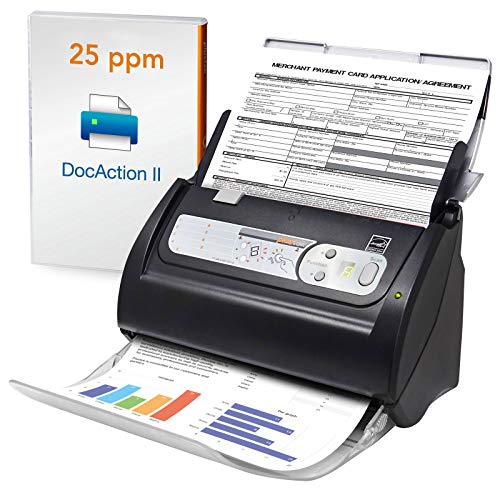
Plustek PS186 Desktop Document Scanner, with 50-Pages Auto Document Feeder (ADF). for Windows 7/8 / 10/11 (Intel/AMD only)
Up to 255 customize favorite scan file setting with "Single Touch" , Support Windows 7/8/10
As an affiliate, we earn on qualifying purchases.