

To finish 2025 strong, start by reviewing your investment portfolio and rebalancing if needed to stay aligned with your goals. Maximize your tax savings by making last-minute contributions to retirement accounts and harvesting capital losses. Update your estate plans, beneficiaries, and credit report to avoid surprises. Set clear financial goals for the new year, track your progress, and organize your documents now. Keep going to discover more tips to secure your financial future.
Key Takeaways
- Review and adjust your investment portfolio to ensure alignment with your financial goals and risk tolerance.
- Maximize contributions to tax-advantaged accounts like IRAs and 401(k)s to optimize tax savings.
- Organize and gather all relevant financial documents, including W-2s, 1099s, and receipts, for efficient tax filing.
- Update estate plans, beneficiary designations, and review credit reports to protect assets and prevent identity theft.
- Set clear financial goals for 2025, track progress, and identify opportunities for year-end tax planning and savings.

Are you ready to take control of your finances in 2025? The end of the year is the perfect time to review your financial situation and set yourself up for success in the coming months. One of the most important steps is to focus on tax planning. As the year wraps up, you should evaluate your income, expenses, and potential deductions to minimize your tax liability. Look into any last-minute contributions to retirement accounts like IRAs or 401(k)s, which can reduce your taxable income. Consider harvesting capital losses if you have investments that have declined in value; this can offset gains and lower your tax bill. Staying organized now will save you stress when tax season arrives, so gather all relevant documents, such as W-2s, 1099s, and receipts.
Alongside tax planning, it’s vital to review and refine your investment strategies. Take stock of your current portfolio’s performance and ensure it aligns with your risk tolerance and financial goals. If you’re nearing a major milestone, like buying a house or funding college, adjust your investments accordingly. Diversification remains key—don’t put all your eggs in one basket. Rebalancing your portfolio now can help you lock in gains and prevent overexposure to any single asset class. If you haven’t already, consider maximizing contributions to tax-advantaged accounts, which can boost your savings and reduce taxes. Also, evaluate whether you need to shift some investments into more conservative options to protect gains from market volatility. Reviewing your asset allocation periodically ensures your portfolio remains aligned with your objectives and risk appetite.
Review and rebalance your investments to align with goals, diversify assets, and maximize tax-advantaged account contributions.
As you review your finances, make sure your estate plan is up to date. Confirm your beneficiaries on retirement accounts and insurance policies, and consider whether you need to update your will or trust documents. This guarantees your assets are distributed according to your wishes and can help avoid probate issues later. Additionally, check your credit report for errors or signs of identity theft. Improving your credit score through prompt bill payments can also lead to better loan rates in the future.
Finally, set clear financial goals for 2025. Whether it’s saving for a big purchase, paying down debt, or building an emergency fund, having concrete targets keeps you motivated. Regularly tracking your progress will help you stay on course and make adjustments as needed. The end of the year isn’t just about closing the books—it’s about setting a solid foundation to build on in the year ahead. Embrace this time to plan smartly, and you’ll be well-positioned to achieve your financial ambitions in 2025.
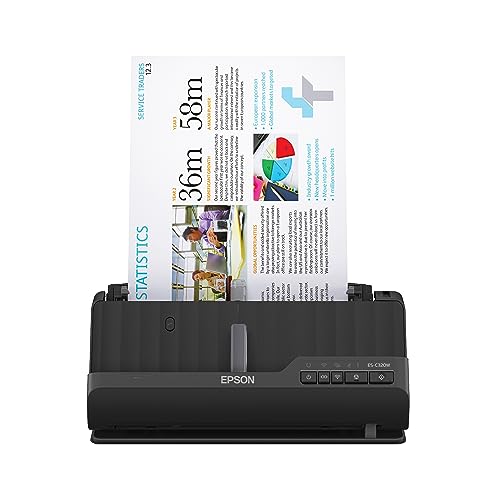
Epson Workforce ES-C320W - Wireless Compact Desktop Document Scanner - 2-Sided Scanning Auto Doc Feeder - Can Scan Paper and Cards - Black
ULTRA-COMPACT DESIGN – Save 60% of desk space in nearly any setting effortlessly with this compact scanner, perfect...
As an affiliate, we earn on qualifying purchases.
Frequently Asked Questions
How Early Should I Start Preparing My Year-End Financial Checklist?
You should start preparing your year-end financial checklist at least a few months in advance. Early planning gives you enough time to gather documents, review expenses, and identify deductions. Timing considerations are vital to avoid last-minute stress and guarantee accuracy. By beginning early, you can address any discrepancies, optimize your finances, and meet deadlines comfortably. Don’t wait until December; proactive preparation helps you finish strong and confident.
Are There Specific Tax Deductions I Might Overlook?
You might overlook deductions like charitable donations and home office deductions. Make certain you track all charitable contributions, including receipts and records, to maximize your deductions. If you work from home, gather expenses related to your home office, such as rent, utilities, and supplies. Reviewing these areas carefully ensures you don’t miss out on potential savings, so stay organized and consult a tax professional if needed.
How Can I Best Organize My Financial Documents?
Think of your financial documents as a garden that needs tending. To keep it thriving, you should focus on receipts organization and digital filing. Sort receipts by category and date, then scan and store them securely online. Use clear folders or digital labels so you can find what you need in a flash. This way, your financial garden stays neat, accessible, and ready for any audit or tax season.
What Software Tools Are Recommended for Year-End Financial Review?
You should consider using software tools like QuickBooks, Mint, or YNAB for your year-end financial review. These tools help with budget tracking and expense categorization, making it easier to see where your money’s going. They automatically organize your transactions, generate reports, and help you identify areas to improve. With these tools, you’ll streamline your review process, stay on top of your finances, and prepare accurately for tax season.
Should I Consult a Financial Advisor Before Finalizing My Checklist?
Think of consulting a financial advisor like adding a masterstroke to a painting—you’ll gain clarity and confidence. You should definitely seek advice before finalizing your checklist, especially to refine your investment strategies and estate planning. An expert can identify gaps you might overlook, ensuring your financial future is solid. Their insights help you make informed decisions, giving you peace of mind as you close the year strong.

Epson Workforce ES-400 II Color Duplex Desktop Document Scanner for PC and Mac with Auto Doc Feeder (ADF), Image Adjustment Tools
FAST DOCUMENT SCANNING – Speed through stacks with the 50-sheet Auto Document Feeder, perfect for office scanning and...
As an affiliate, we earn on qualifying purchases.
Conclusion
As you wrap up your year-end financial review, stay sharp and strategic. Double-check your debts, deductions, and deadlines to avoid unnecessary surprises. By balancing budgets, boosting benefits, and bookmarking your goals, you’ll build a better, brighter financial future. Remember, consistent care and careful planning create confidence and clarity. So, stay savvy, stay focused, and set yourself up for success in 2025 and beyond. Your future finances will thank you!

ScanSnap iX2500 Wireless or USB High-Speed Cloud Enabled Document, Photo & Receipt Scanner with Large 5" Touchscreen and 100 Page Auto Document Feeder for Mac or PC, White
OUR MOST ADVANCED SCANSNAP. Large touchscreen, fast 45ppm double-sided scanning, 100-sheet document feeder, Wi-Fi and USB connectivity, automatic...
As an affiliate, we earn on qualifying purchases.

ScanSnap iX2500 Wireless or USB High-Speed Cloud Enabled Document, Photo & Receipt Scanner with Large 5" Touchscreen and 100 Page Auto Document Feeder for Mac or PC, Black
OUR MOST ADVANCED SCANSNAP. Large touchscreen, fast 45ppm double-sided scanning, 100-sheet document feeder, Wi-Fi and USB connectivity, automatic...
As an affiliate, we earn on qualifying purchases.