To support better living spaces, you should prioritize proper ventilation by opening windows and installing exhaust fans, especially during cooking or cleaning. Clean frequently with HEPA filters, dust surfaces damply, and wash bedding often to reduce allergens. Use air purifiers with HEPA filters and incorporate plants to naturally absorb pollutants. Keep indoor chemicals stored properly and avoid smoking indoors. Consistently practicing these habits can dramatically improve your indoor air quality and create a healthier environment for you and your family.

Get everyday essentials delivered free with Prime
- Fast, free delivery on millions of items
- Prime Video, Amazon Music and more included
- Member-only deals all year
Key Takeaways
- Regularly ventilate indoor spaces by opening windows and using exhaust fans to ensure fresh air circulation.
- Use air purifiers with HEPA filters to reduce airborne allergens and pollutants.
- Keep indoor environments clean by vacuuming with HEPA filters and dusting with damp cloths.
- Store chemicals properly in well-ventilated areas to prevent VOC buildup indoors.
- Incorporate plants and maintain consistent cleaning and ventilation habits for ongoing air quality improvement.

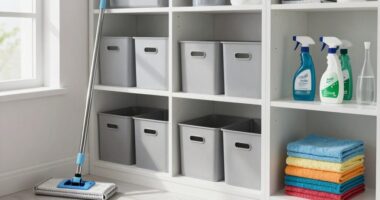
Maintaining good air quality isn’t just about installing filters or using masks; it’s about adopting daily habits that promote cleaner, healthier air around you. One of the most effective ways to do this is by reducing indoor pollution, which can come from everyday activities, cleaning products, and even furniture. You might not realize it, but many common household items release volatile organic compounds (VOCs) that harm indoor air quality. To combat this, opt for natural or low-emission cleaning supplies, and store chemicals in well-ventilated areas. Keep clutter to a minimum, as dust and allergens tend to settle on surfaces and circulate when you move around.
Adopt daily habits like using natural cleaners, reducing clutter, and ensuring proper ventilation for healthier indoor air.
Ventilation improvements play an essential role in maintaining fresh air indoors. You should make it a habit to regularly open windows, especially when cooking or cleaning, to allow fresh air to circulate and dilute indoor pollutants. If natural ventilation isn’t always possible, consider installing exhaust fans in kitchens and bathrooms to help remove excess moisture and airborne contaminants. You can also invest in mechanical ventilation systems that bring in outdoor air while filtering out pollutants. This creates a consistent exchange of stale indoor air for cleaner outdoor air, considerably reducing indoor pollution levels. Remember, good ventilation isn’t just about quick bursts of fresh air; it’s about consistently maintaining a flow that prevents the buildup of indoor pollutants over time. Incorporating air exchange rates can further optimize air quality by ensuring adequate ventilation volumes.
Another habit to support better air quality is to keep your living spaces clean and dust-free. Regularly vacuum carpets with a HEPA filter, dust surfaces with a damp cloth, and wash bedding frequently. This reduces dust mites, pet dander, and other allergens that contribute to poor air quality and respiratory issues. If you have pets, grooming them regularly can also cut down on pet dander and dander-related indoor pollution. Additionally, avoiding smoking indoors is one of the simplest, yet most impactful, steps you can take. Tobacco smoke contains thousands of chemicals that linger in the air and settle on surfaces, making your indoor environment unhealthy for everyone. Incorporating ventilation systems that improve air exchange can further enhance indoor air quality by continuously removing pollutants. Using air purifiers with HEPA filters can also help reduce airborne allergens and pollutants, especially in spaces with limited natural ventilation.
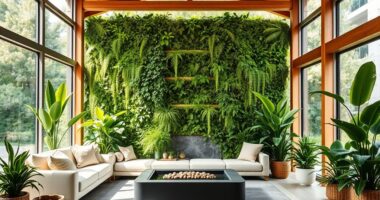
Incorporating plants into your living space can also improve indoor air quality naturally, but don’t rely solely on them. They can help absorb some pollutants, but they shouldn’t replace other ventilation improvements. The key is consistency—habitually maintaining good habits like proper ventilation, thorough cleaning, and avoiding indoor pollutants will create a healthier environment. Being mindful of indoor air quality management and prioritizing ventilation, cleaning, and pollutant reduction is essential for a healthier indoor environment. By being mindful of how you manage indoor pollution and prioritizing ventilation, you’re taking meaningful steps toward cultivating a space where clean air supports your well-being every day.
As an affiliate, we earn on qualifying purchases.
Frequently Asked Questions
How Does Indoor Humidity Affect Air Quality?
Indoor humidity levels directly impact air quality by influencing airborne bacteria and other pollutants. When humidity is too high, it creates a damp environment that fosters mold growth and increases airborne bacteria, which can cause respiratory issues. Conversely, low humidity can dry out your airways, making you more susceptible to infections. Maintaining ideal humidity levels between 30-50% helps reduce airborne contaminants and supports healthier living spaces.
Are Air Purifiers Effective Against All Pollutants?
Think of an air purifier as a skilled guard at your door, but it doesn’t catch every intruder. Air purifier technology effectively tackles many pollutants like dust, pollen, and smoke, yet it struggles with gaseous pollutants and viruses. So, while it’s a strong ally, it’s not a cure-all. To maximize air quality, combine purifiers with good ventilation and other air-cleaning habits.
What Are Natural Ways to Improve Indoor Air?
You can naturally improve indoor air by ensuring proper natural ventilation, like opening windows regularly to let fresh air in and stale air out. Incorporate household cleaning routines that reduce dust, mold, and allergens, such as vacuuming with a HEPA filter and wiping surfaces. Plants can also help purify the air, but don’t rely solely on them. Combining these habits creates a healthier, more breathable living environment.
How Often Should I Change HVAC Filters?
Did you know that changing your HVAC filter every 90 days can improve air quality and save energy? You should perform filter maintenance more frequently if you have pets or allergies. Regular replacement guarantees peak filtration. Combine this with effective ventilation strategies like opening windows or using exhaust fans to keep indoor air fresh. Staying consistent with filter changes helps reduce pollutants and maintains a healthier living environment.
Can Houseplants Significantly Improve Air Quality?
Yes, houseplants can substantially improve air quality through natural air purification. Varieties like snake plants, pothos, and peace lilies effectively remove toxins and increase humidity. By incorporating these plants into your living space, you not only enhance air quality but also create a calming environment. Regular care guarantees their air-purifying benefits continue, making your home healthier and more inviting with minimal effort.
Conclusion
By embracing simple, steady habits like ventilating vents, vacuuming vigorously, and choosing cleaner, greener products, you’ll create a healthier haven at home. Consistently practicing these conscious, caring choices can combat contaminants and cultivate comfort, transforming your space into a sanctuary of serenity. Remember, small steps substantially shape your surroundings—so start today, stay steadfast, and see your space sparkle with purity, peace, and pristine air. Your healthier habitat awaits!
Fall Picks
fall essentials
As an affiliate, we earn on qualifying purchases.