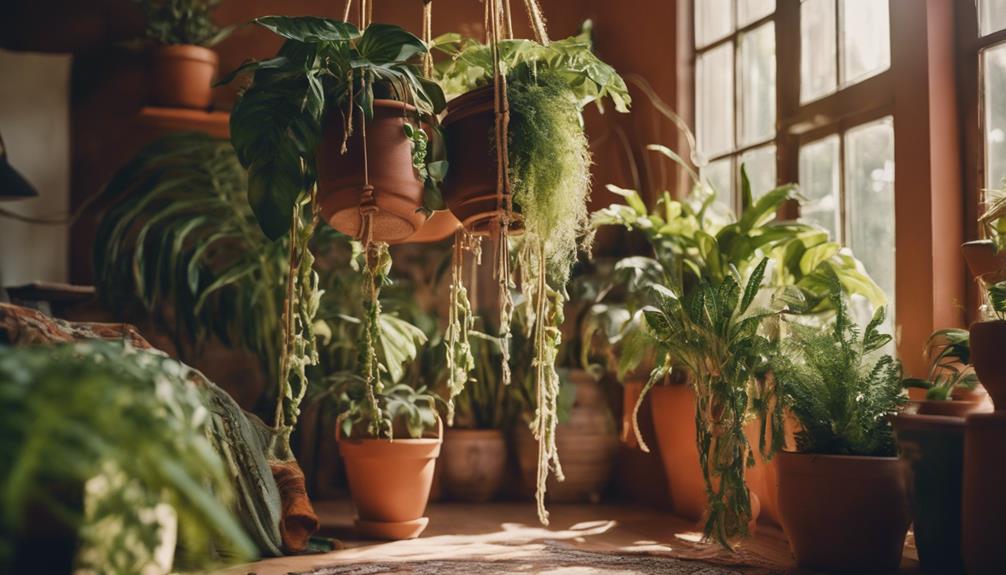
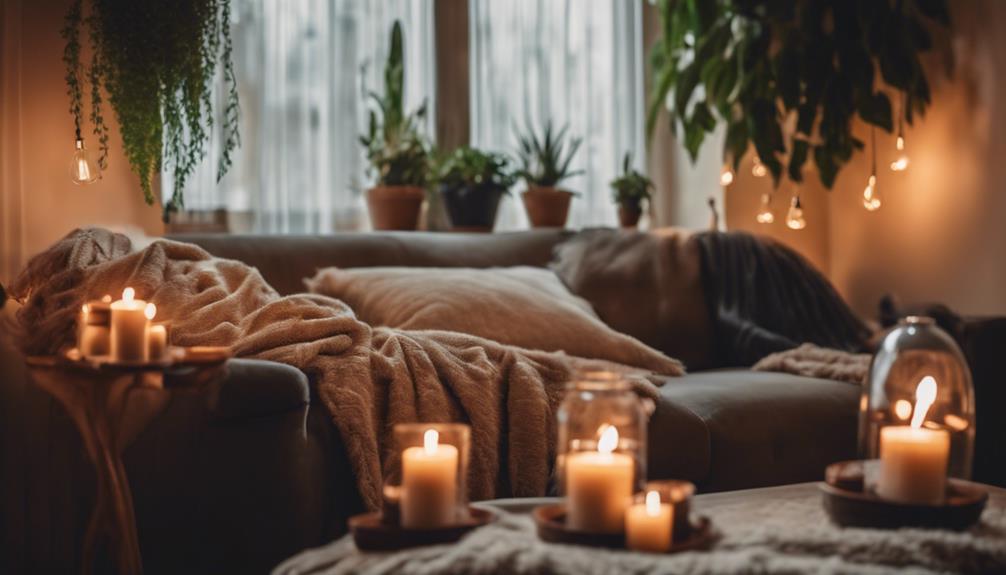
To design a space around your daily routines, focus on creating environments that support your habits and adapt as your needs change. Personalize your space with meaningful objects and use flexible features like modular furniture and adjustable lighting to stay versatile. Incorporate cues that naturally prompt desired behaviors and choose colors that boost mood and productivity. By intentionally aligning your space with your routines, you’ll foster comfort and motivation—if you continue exploring, you’ll discover how to make these principles truly work for you.

Get everyday essentials delivered free with Prime
- Fast, free delivery on millions of items
- Prime Video, Amazon Music and more included
- Member-only deals all year
Key Takeaways
- Prioritize understanding your daily habits and needs to create a space that naturally supports your routines.
- Incorporate personalization elements that reflect your preferences, fostering motivation and comfort.
- Use flexible, modular furniture and adaptable features to accommodate evolving routines and lifestyles.
- Position key elements strategically to serve as behavioral cues that promote desired activities.
- Regularly reassess and adjust the space to ensure it remains aligned with your current routines and goals.
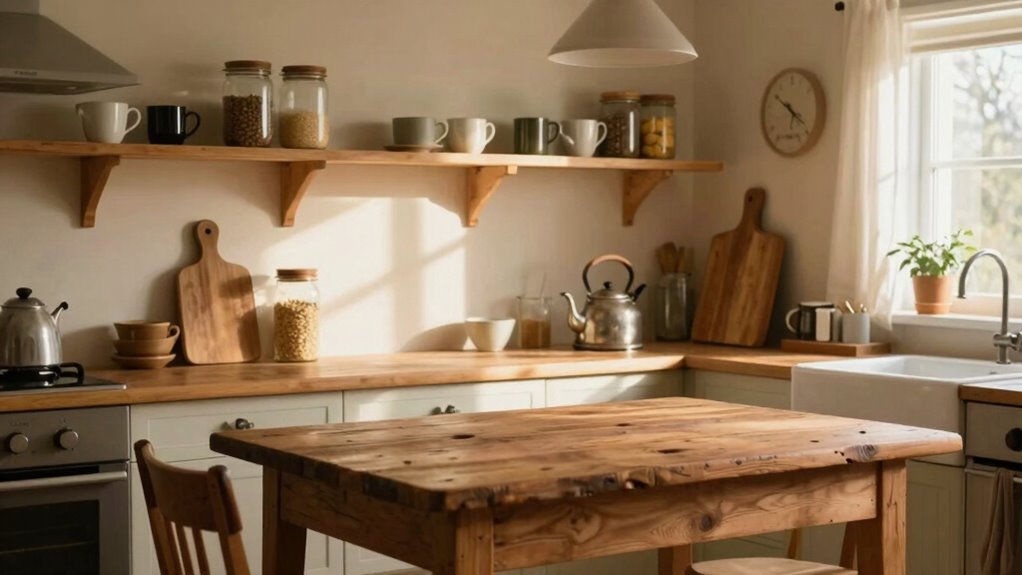
Your daily routines shape how you use your space, so designing environments that support these habits can transform your productivity and well-being. Instead of chasing fleeting trends, focus on creating a space that adapts to your unique patterns and needs. Personalization is key—by tailoring your environment to reflect your preferences and routines, you encourage consistency and comfort. For example, if you start your mornings with a cup of coffee at a specific spot, make that area inviting and well-organized. Over time, this small adjustment reinforces your routine and makes each morning smoother.
Design your space around your routines to boost comfort, consistency, and productivity. Personalize and adapt for lasting harmony.
Flexibility is equally essential. Life is unpredictable, and your routines may shift due to work schedules, seasons, or energy levels. Designing a space with adaptable features allows you to modify your environment effortlessly. Use modular furniture that can be reconfigured as needed, or incorporate multi-purpose zones that serve different functions throughout the day. For instance, a desk that doubles as a dining area or a corner that transforms from a workspace to a relaxation nook keeps your space versatile and functional. Recognizing the importance of habit formation helps in creating environments that reinforce positive routines. Incorporating adaptive design principles ensures your space remains aligned with your evolving needs. Additionally, understanding behavioral cues can help you position elements in your environment to naturally prompt desired habits. Being aware of environmental psychology can guide you in selecting colors and layouts that influence your mood and productivity. Furthermore, considering biophilic design can enhance your connection to nature, promoting well-being and reducing stress.
When you prioritize personalization, you create an environment that resonates with your personality and supports your habits. This might mean choosing colors, textures, or decor that lift your mood or inspire you. Personal touches—like artwork, plants, or meaningful objects—make your space feel authentic and welcoming. The more your environment aligns with your identity, the more motivated you’ll feel to stick to your routines.
Flexibility also means considering how your routines evolve over time. Regularly reassess your space to ensure it continues to serve your current needs. If you notice your morning routine shifting, adjust your setup accordingly. Incorporate adjustable lighting, movable storage, and adaptable layouts so your environment can grow with you. This proactive approach prevents your space from becoming obsolete or frustrating, helping you stay consistent without feeling restricted.
Ultimately, designing space around your routines rather than trends is about intentionality. Focus on what works best for you, emphasizing personalization and flexibility. By creating an environment that supports your habits and adapts to changes, you foster a sense of control and comfort. That way, your space becomes a true reflection of your lifestyle—encouraging productivity, boosting well-being, and making everyday routines feel seamless and satisfying.
modular furniture for home office
As an affiliate, we earn on qualifying purchases.
As an affiliate, we earn on qualifying purchases.
Frequently Asked Questions
How Do I Identify My Most Important Daily Routines?
To identify your most important daily routines, observe your personal habits over a week. Notice which activities you repeat consistently, like morning stretches or meal prep. Prioritize space organization around these routines, ensuring your environment supports them seamlessly. Think about what tasks require dedicated areas, and design your space to enhance efficiency and comfort. This way, your space naturally aligns with your daily habits, making your routine smoother and more enjoyable.
What if My Routines Change Frequently?
When your routines change often, think of your space as a chameleon, adaptable to new needs. Use flexible layouts that can be easily reconfigured, like movable furniture, and incorporate adaptable storage solutions to quickly shift organization. This way, your space remains functional no matter how your daily activities evolve. Embracing flexibility guarantees you don’t have to overhaul everything—your environment can grow and change with you, effortlessly.
How Can I Make Small Spaces Functional for Routines?
You can make small spaces functional for routines by incorporating smart storage solutions like vertical shelves or multi-purpose furniture to maximize space. Use versatile lighting techniques, such as task lighting for work areas and softer lights for relaxation zones, to support different activities. Keep your routine essentials within easy reach, and avoid clutter, so your small space adapts effortlessly to your daily needs, making it both practical and comfortable.
Should Routines Differ Between Weekdays and Weekends?
Yes, your routines should differ between weekdays and weekends. Embrace routine flexibility by adjusting your space to suit your changing needs, like creating a cozy corner for relaxation on weekends or a more organized workspace for weekdays. Personalize your space to reflect these shifts, making it easier to shift between routines. This approach keeps your environment functional, comfortable, and aligned with your lifestyle, promoting better well-being and productivity.
How Do I Balance Aesthetics and Practicality in Routine Spaces?
You balance aesthetics and practicality by blending decorative elements with functional design. Choose calming color schemes that create a serene environment, while decorative items add personality. Prioritize storage solutions that keep clutter out of sight, ensuring practicality doesn’t sacrifice style. Use decorative elements strategically—like stylish trays or baskets—to enhance visual appeal without hindering usability. This harmony lets you enjoy a beautiful space that supports your daily routines effortlessly.
Conclusion
By designing your space around daily routines, you create a more functional and personalized environment. When your surroundings support your habits, you’re more likely to stay consistent and feel comfortable. Did you know that 80% of our daily habits are formed through our environment? So, take a moment to rethink your space—align it with your routines, and watch how it seamlessly enhances your everyday life. Small changes can make a big difference.
Halloween Picks
halloween
As an affiliate, we earn on qualifying purchases.