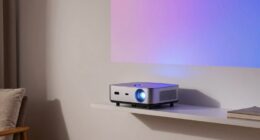
Focal points like fireplaces, feature walls, and art guide attention and create a visual anchor in your space. To make them stand out, use strategic lighting such as spotlights or accent lights, and place furniture to naturally face these features. Contrasting colors and carefully chosen decor enhance their prominence. When thoughtfully designed, these elements shape the room’s mood and flow—keep exploring to discover how to make your focal points truly shine.
Key Takeaways
- Use strategic lighting like spotlights to emphasize fireplaces, feature walls, and artwork, enhancing their visual prominence.
- Position furniture to naturally face and highlight focal features, guiding attention flow within the space.
- Choose contrasting colors and textures around focal points to make them stand out visually.
- Hang artwork at eye level and frame it with contrasting accents to maximize impact.
- Maintain a clutter-free area around focal features to ensure they remain the room’s main visual attraction.

Have you ever wondered how to direct attention effectively in a busy space or presentation? Creating a focal point is key to guiding the eye and establishing a visual hierarchy. One of the most impactful ways to do this is by carefully considering lighting options and placement strategies. Lighting can dramatically enhance your focal point, making it stand out even more amid other elements. For example, using spotlights or directed lighting can highlight a fireplace, piece of art, or feature wall, drawing immediate attention. Warm lighting tends to create a cozy, inviting atmosphere, while cooler tones can lend a modern, sleek feel. The placement of lighting fixtures matters just as much as the type; positioning lights at eye level or slightly above ensures the focal point is illuminated effectively without causing glare or shadows that distract from it.
Placement strategies involve more than just where to put your lighting. Think about how your focal point fits within the overall space. For a fireplace, positioning furniture to face it naturally encourages people to look there, reinforcing its role as the central visual element. When working with a feature wall, consider its position within the room’s layout and how it interacts with natural light sources. If you’re showcasing artwork, hang it at eye level, and use accent lighting to create a dramatic effect. Strategic placement also involves balancing other elements so they don’t compete with your focal point. Avoid cluttering the area around your feature with too many accessories or distractions, which can dilute its impact.
Color contrast is another tool to enhance your focal point. Dark walls with a bright art piece or vice versa can make your feature wall pop. Similarly, choosing contrasting frames or accents around artwork helps it stand out. Combining this with thoughtful lighting amplifies the effect. For instance, a well-placed picture light or adjustable spotlight can create depth and draw the eye directly to your art or fireplace. Remember, the goal is to make the focal point unmistakable without overwhelming the space. Use lighting and placement strategies to create a natural flow that guides visitors’ eyes effortlessly. Incorporating lighting options that highlight your focal point can significantly elevate its prominence and overall room ambiance.
Ultimately, the success of your focal point hinges on how well you combine lighting options and placement strategies. When done right, they help you highlight the most important features of your space, ensuring they capture attention and enrich the overall aesthetic. With careful planning, your fireplace, feature wall, or piece of art will become the undeniable centerpiece, giving your room a polished and intentional look that draws admiration and invites exploration.

Bissell PowerClean FurGuard 280W Self-Standing Cordless Vacuum w/Self-Cleaning Brush Roll, Strong Suction, Removeable Battery, Wall Mount, Upholstery Tool & Bright Headlights
NO PET HAIR LEFT BEHIND. Find & capture pet hair everywhere with a powerful 280W motor and our...
As an affiliate, we earn on qualifying purchases.
Frequently Asked Questions
How Do I Choose the Right Focal Point for My Space?
To choose the right focal point for your space, focus on creating a balance that draws attention without overwhelming the room. Think about the visual hierarchy—what naturally catches your eye first—and highlight that element, whether it’s a fireplace, art, or feature wall. Consider your room’s layout and make sure your focal point complements the overall design, guiding viewers smoothly through the space.
What Materials Work Best for Modern Fireplace Designs?
Modern fireplace designs thrive with sleek, sophisticated materials like smooth concrete, glossy tiles, and minimalist metals. You should focus on materials selection that emphasizes clean lines and contemporary finishes, such as polished stone or matte ceramics. These options add aesthetic appeal and durability, making your fireplace a focal point that feels fresh and functional. Embrace edgy elements that elevate your space with modern finishes and modern materials.
How Can I Incorporate Art Into Small or Awkward Spaces?
You can make small or awkward spaces feel inviting by thoughtfully placing art. Opt for wall murals or large, impactful pieces that draw attention and create a sense of depth. Position art at eye level to maximize impact and balance the space. Using bold colors or interesting textures in your art can also brighten the area, making it feel larger and more intentional. Remember, strategic art placement transforms tricky spots into visual highlights.
What Lighting Options Enhance Focal Points Without Overpowering Them?
You should use lighting accents like subtle spotlight techniques to highlight your focal points without overpowering them. Aim for adjustable spotlights or track lighting that direct focused beams directly onto your fireplace, art, or feature wall. Keep the illumination soft and warm to enhance the visual appeal without creating harsh shadows or glare. This approach guarantees your focal points shine beautifully, drawing attention while maintaining a cozy, inviting atmosphere.
How Often Should I Update or Change My Focal Point Features?
You should update or change your focal point features about once every year or two—think of it as giving your space a fresh new look to keep things exciting. Seasonal updates and style refreshes are perfect ways to keep your home feeling current without going overboard. If your tastes evolve or trends shift, don’t hesitate to switch things up sooner; your space should reflect your personality and keep you inspired!

Cordless Vacuum Cleaner, 600W 50KPA 70Mins Vacuum Cleaners for Home, Stick Vacuum with Charging Dock Station, Anti-tangle Wireless Vacumm, Rechargeable Cordless Vacuum for Pet Hair/Carpet/Hard Floor
【600W/50KPa Powerful Suction】Dsorupa cordless vacuum cleaner is equipped with the latest 550W brushless high-performance motor, which is able...
As an affiliate, we earn on qualifying purchases.
Conclusion
By thoughtfully choosing focal points like a striking fireplace, a bold feature wall, or mesmerizing artwork, you can transform any space into a welcoming sanctuary. Imagine a cozy living room where a sleek fireplace draws your eye, complemented by a vibrant wall art piece that sparks conversation. When these elements work together, they create a balanced, inviting atmosphere that feels uniquely yours. Start experimenting today, and watch your space come alive with personality and charm.

KARDV Cordless Vacuum Cleaner, 500W/40Kpa Vacuum Cleaners for Home, 60Mins Stick Vacuum with LED Display, Anti-Tangle & Wall Mount Charging, 8 in 1 Lightweight Vacuum for Hard Floors Carpet Pet Hair
【500W/40Kpa Powerful Suction】 The cordless vacuum cleaner is equipped with a powerful 450W motor, which provides a superb...
As an affiliate, we earn on qualifying purchases.

Bissell PowerClean FurFinder 200W Self-Standing Cordless Vacuum w/Tangle Free Brush Roll, Strong Suction, Removeable Battery, Wall Mount, Upholstery Tool & Bright Headlights
NO PET HAIR LEFT BEHIND. Find & capture pet hair everywhere with a powerful 200W motor and our...
As an affiliate, we earn on qualifying purchases.