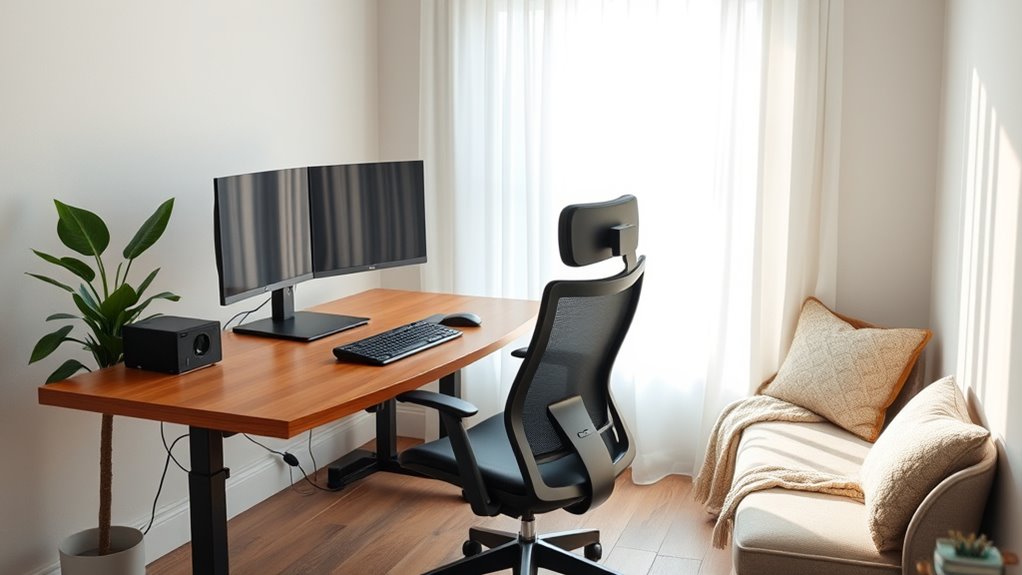

To create an effective home office setup, focus on ergonomic principles by adjusting your chair, monitor, and keyboard to prevent strain. Designate specific zones for different tasks, like work, reading, or meetings, to boost focus and reduce distractions. Keep your desk organized with storage solutions so everything is accessible and clutter-free. Incorporate good lighting, preferably natural or layered, to stay alert. If you keep these tips in mind, you’ll discover ways to optimize your space even further.
Key Takeaways
- Arrange your desk so the monitor is at eye level to prevent neck strain.
- Use separate areas for tasks like computer work, reading, and meetings to create focus zones.
- Keep essential ergonomic tools, such as adjustable chairs and keyboard supports, within easy reach.
- Ensure lighting is layered with natural light and task lighting to reduce eye strain and enhance focus.
- Maintain a clutter-free workspace by organizing supplies, helping your brain associate specific zones with specific activities.

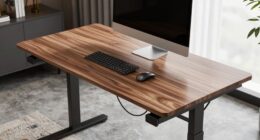
Setting up a home office can dramatically boost your productivity and comfort. One of the key elements to creating an efficient workspace is focusing on desk organization. When your desk is cluttered, your mind tends to feel overwhelmed, making it harder to concentrate on tasks. Invest in storage solutions like drawer organizers, cable management trays, or desktop file holders to keep everything tidy. Keep only the essentials within arm’s reach—your keyboard, mouse, notepad, and a few frequently used items—while stowing away anything that isn’t needed regularly. This streamlined setup reduces distractions and saves you time searching for supplies, allowing you to dive straight into your work. Additionally, paying attention to storage solutions can help prevent ingredient separation or sediment formation, similar to how proper packaging extends shelf life in food and beverage storage. Lighting solutions are equally vital for maintaining focus and reducing eye strain. Natural light is ideal, so position your desk near a window if possible. But if natural light isn’t enough or isn’t available during certain hours, supplement it with layered lighting. Use a combination of ambient, task, and accent lighting to create a balanced environment. A good desk lamp with adjustable brightness can help illuminate your workspace without causing glare or shadows. Avoid harsh, fluorescent overhead lights that can cause discomfort and fatigue. Instead, opt for warm or neutral-colored bulbs that mimic natural daylight, helping you stay alert and focused throughout the day. Proper lighting not only improves visibility but also sets the mood for productivity, making your workspace more inviting and less tiring for your eyes. Beyond desk organization and lighting, it’s important to think about ergonomics as well. An ergonomic setup ensures your body remains comfortable during long work sessions. Adjust your chair height so your feet rest flat on the floor and your knees are at a 90-degree angle. Keep your monitor at eye level to prevent neck strain, and position your keyboard and mouse so your wrists stay straight. This reduces fatigue and minimizes the risk of repetitive strain injuries. Creating designated focus zones within your home office can further enhance your productivity. For instance, designate one corner for computer work, another for reading or brainstorming, and a separate space for meetings or calls. This zoning helps your brain associate specific areas with particular tasks, making it easier to switch between different types of work without losing focus.

TP-Link Deco X55 AX3000 WiFi 6 Mesh System - Covers up to 6500 Sq.Ft, Replaces Wireless Router and Extender, 3 Gigabit Ports per Unit, Supports Ethernet Backhaul, Deco X55(3-Pack)
Wi-Fi 6 Mesh Wi-Fi - Next-gen Wi-Fi 6 AX3000 whole home mesh system to eliminate weak Wi-Fi for...
As an affiliate, we earn on qualifying purchases.
Frequently Asked Questions
How Can I Reduce Eye Strain During Long Work Sessions?
To reduce eye strain during long work sessions, you should use blue light filters on your screens to minimize glare and digital fatigue. Additionally, take regular breaks to perform eye exercise routines, like blinking frequently or focusing on distant objects. Adjust your screen brightness to match ambient lighting, and follow the 20-20-20 rule: every 20 minutes, look at something 20 feet away for 20 seconds.
What Are the Best Ways to Improve Sound Insulation?
Improving sound insulation is like sealing a leak in a boat—you want to keep the noise out. Use soundproofing techniques like adding acoustic panels, thick rugs, and door seals. Noise-canceling solutions such as headphones or white noise machines also help block distractions. You can further enhance insulation by installing weatherstripping or using heavy curtains. These measures create a quieter space, boosting your focus and productivity.
How Often Should I Take Breaks to Maintain Focus?
You should take breaks every 25 minutes using the Pomodoro technique, which helps maintain focus and productivity. During these breaks, do quick stretch routines to prevent stiffness and boost circulation. After four sessions, take a longer break of 15-30 minutes. Consistently implementing this schedule keeps your mind sharp and your body comfortable, ensuring you stay focused throughout your workday.
What Lighting Options Minimize Glare and Fatigue?
Soft, well-placed task lighting combined with gentle ambient illumination helps reduce glare and fatigue, creating a comfortable workspace. You should opt for adjustable lamps that direct light precisely where needed and avoid harsh, direct overhead lights. Using warm tones and diffused bulbs minimizes eye strain while maintaining focus. This balanced lighting setup keeps your eyes refreshed, allowing you to work efficiently without discomfort or distraction.
How Can I Personalize My Workspace for Better Motivation?
You can personalize your workspace by adding personal decor that reflects your style, making the space feel inviting. Incorporate motivational visuals like inspiring quotes or images that boost your mood and focus. Arrange your desk with items that bring you joy, such as plants or photos, to create a motivating environment. These touches help you stay engaged and energized throughout your workday.

TP-Link Deco 7 BE25 Dual-Band BE5000 WiFi 7 Mesh Wi-Fi System | 4-Stream 5 Gbps, 240 Mhz | Covers up to 6,600 Sq.Ft | 2X 2.5G Ports Wired Backhaul | VPN,MLO, AI-Roaming, HomeShield, 3-Pack
𝐃𝐞𝐜𝐨 𝟕 𝐒𝐮𝐩𝐞𝐫𝐜𝐡𝐚𝐫𝐠𝐞𝐝 𝐰𝐢𝐭𝐡 𝟒-𝐒𝐭𝐫𝐞𝐚𝐦 𝐁𝐄𝟓𝟎𝟎𝟎 𝐃𝐮𝐚𝐥-𝐁𝐚𝐧𝐝 𝐖𝐢𝐅𝐢 𝟕 - Achieve full speeds of up to 4324 Mbps...
As an affiliate, we earn on qualifying purchases.
Conclusion
Think of your home office as a garden where each element—your desk, chair, and lighting—are like carefully chosen plants. When you arrange them thoughtfully, your workspace blooms with comfort and focus, allowing your productivity to flourish. Just as a gardener tends to their plants, tend to your setup regularly. With each adjustment, you nurture a space where ideas grow and thrive, transforming your home into a sanctuary of focus and creativity.
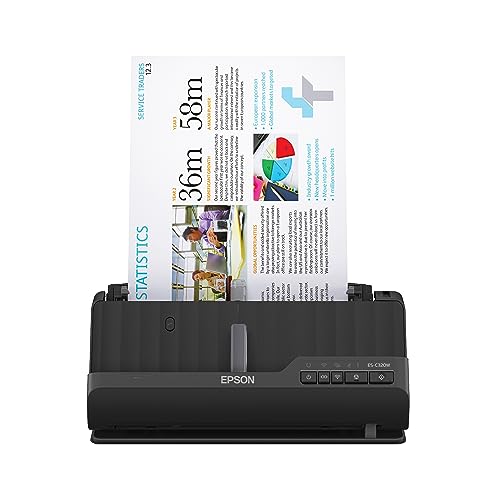
Epson Workforce ES-C320W - Wireless Compact Desktop Document Scanner - 2-Sided Scanning Auto Doc Feeder - Can Scan Paper and Cards - Black
ULTRA-COMPACT DESIGN – Save 60% of desk space in nearly any setting effortlessly with this compact scanner, perfect...
As an affiliate, we earn on qualifying purchases.

Epson Workforce ES-400 II Color Duplex Desktop Document Scanner for PC and Mac with Auto Doc Feeder (ADF), Image Adjustment Tools
FAST DOCUMENT SCANNING – Speed through stacks with the 50-sheet Auto Document Feeder, perfect for office scanning and...
As an affiliate, we earn on qualifying purchases.