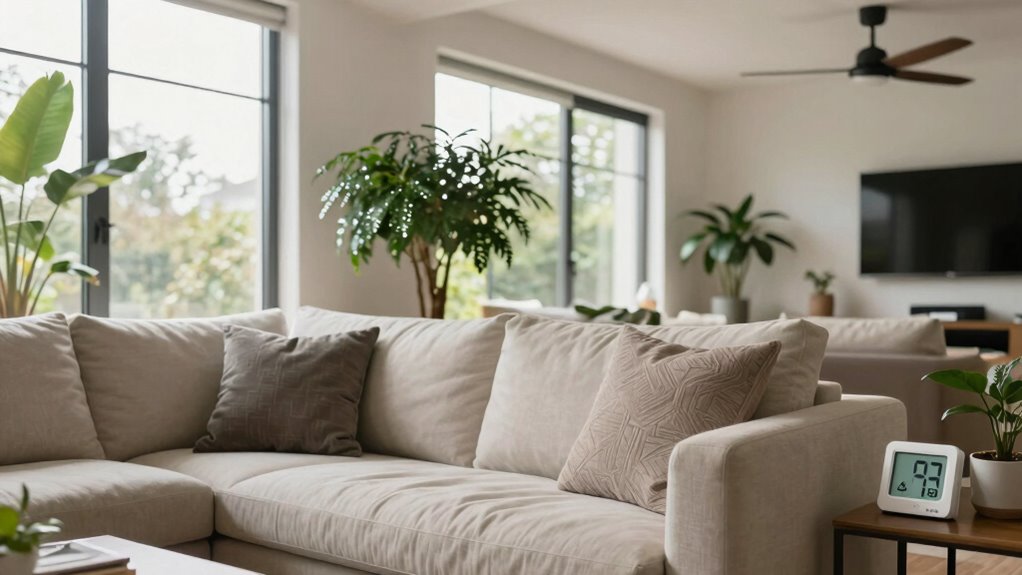

Thinking about humidity as a comfort and design issue means recognizing its seasonal shifts and impacts on your home. In winter, you’ll want to add moisture to avoid dry skin and respiratory discomfort, while in summer, reducing humidity prevents mold and mugginess. Keeping indoor levels between 30-50% guarantees comfort and preserves your home’s integrity. Using proper ventilation, moisture-resistant materials, and moisture management tools helps control humidity year-round. If you want to know how to optimize these strategies, keep exploring.

Get everyday essentials delivered free with Prime
- Fast, free delivery on millions of items
- Prime Video, Amazon Music and more included
- Member-only deals all year
Key Takeaways
- Maintain indoor humidity between 30-50% to ensure comfort and reduce health risks.
- Use ventilation, humidifiers, or dehumidifiers seasonally to manage moisture levels effectively.
- Incorporate moisture-resistant materials in design to prevent mold and structural damage.
- Monitor humidity with hygrometers to make informed adjustments throughout the year.
- Design with proper insulation and sealing to minimize seasonal humidity fluctuations.
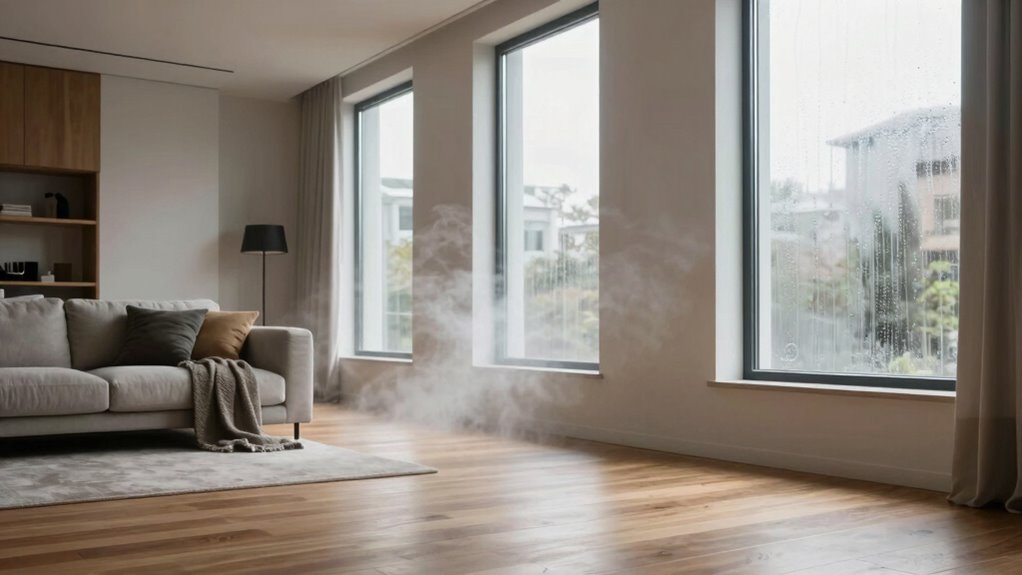
Humidity is more than just a weather detail; it profoundly impacts your comfort, health, and even your home. When you think about humidity, it’s easy to focus solely on outdoor conditions, but indoor air quality is equally influenced by moisture levels. Your home’s humidity isn’t static; it fluctuates with seasonal variations, which can make managing it feel like a constant balancing act. During winter, dry air often plagues indoor spaces because heating systems tend to strip moisture from the air. Conversely, in summer, increased humidity can make your home feel muggy and uncomfortable, especially if you live in a humid climate. Recognizing these seasonal shifts helps you take proactive steps to maintain a comfortable environment year-round.
Indoor humidity fluctuates seasonally, affecting comfort, health, and home integrity—manage it proactively year-round.
Your comfort hinges on maintaining an ideal humidity level, typically between 30% and 50%. When it dips below this range in winter, you might notice dry skin, irritated sinuses, and static electricity. Low humidity also affects indoor air quality by drying out mucous membranes, making you more vulnerable to colds and respiratory issues. On the other hand, high humidity in summer fosters mold growth, dust mites, and bacteria, all of which can compromise your health. By understanding these seasonal variations, you can adapt your approach—using humidifiers in winter to add moisture or dehumidifiers during humid months to remove excess. This not only boosts your comfort but also preserves your home’s structure, preventing issues like warped wood or peeling paint caused by moisture imbalance. Additionally, monitoring indoor humidity levels with hygrometers can help you stay informed and maintain optimal comfort.
Thinking about humidity as a design issue means considering how your home’s layout and materials influence moisture. Proper ventilation, for example, helps regulate indoor air quality by expelling excess moisture and pollutants. Incorporating moisture-resistant materials in bathrooms and kitchens can also reduce mold growth, which thrives in humid environments. Additionally, windows, insulation, and sealing play crucial roles in controlling how seasonal variations affect indoor humidity. When designing or renovating your space, choose materials and ventilation systems that support consistent humidity levels, regardless of the season. Incorporating moisture management strategies into your home’s design can further enhance comfort and durability. Being mindful of seasonal variations in humidity allows you to make more informed decisions about your home’s environment. This proactive approach creates a healthier, more comfortable environment that adapts to changing weather conditions.
A good understanding of indoor humidity and its impacts can help you prevent common issues like mold and structural damage, ultimately contributing to a healthier living space. Ultimately, managing humidity as a comfort and design issue requires awareness of seasonal variations and their effects on indoor air quality. By adjusting humidity levels accordingly and choosing appropriate materials and ventilation strategies, you can create a home environment that feels just right—regardless of outside weather. This thoughtful approach helps you stay comfortable, healthy, and protect your home’s integrity throughout the year.
digital hygrometer for indoor humidity
As an affiliate, we earn on qualifying purchases.
As an affiliate, we earn on qualifying purchases.
Frequently Asked Questions
How Does Humidity Affect Indoor Air Quality?
Humidity levels directly impact indoor air quality by influencing the growth of indoor mold and dust mite proliferation. When humidity is high, mold spores thrive, increasing allergen levels and risking health issues. Conversely, low humidity can dry out your skin and respiratory passages. Maintaining ideal humidity balances reduces mold and dust mites, improving air quality and your comfort. You should regularly monitor humidity and adjust settings to keep your indoor environment healthy.
What Are the Health Risks of Improper Humidity Levels?
Don’t fall for humidity myths—improper levels can harm your health. Too dry, and you risk respiratory issues, dry skin, and an increase in static shocks; too humid, and mold, dust mites, and bacteria thrive, causing allergies or asthma flare-ups. Staying within comfort zones helps prevent these risks. You might think it’s minor, but maintaining proper humidity safeguards your respiratory system and overall well-being.
How Can Humidity Impact Building Materials Over Time?
Humidity influences building materials by causing material deterioration and fostering mold growth. When humidity levels are too high, moisture seeps into wood, drywall, and insulation, weakening their structure over time. Excess moisture also creates an ideal environment for mold, which can damage surfaces and affect indoor air quality. Maintaining proper humidity helps preserve your building’s integrity, preventing costly repairs and ensuring a healthier, more durable environment for occupants.
What Are the Best Tools to Measure Indoor Humidity Accurately?
Think of measuring humidity like tuning a fine instrument. You need accurate tools, such as well-calibrated hygrometers and smart humidity sensors, to guarantee precision. Regular hygrometer calibration keeps readings reliable, while smart sensors offer real-time data and easy monitoring. These tools help you maintain ideal indoor conditions, preventing discomfort and protecting your building materials. With the right equipment, you become your own humidity expert, just like a maestro with their orchestra.
How Does Humidity Influence Energy Consumption in Climate Control?
Humidity regulation directly impacts energy efficiency in climate control. When humidity levels are well-managed, your system doesn’t have to work as hard to maintain a comfortable temperature, reducing energy consumption. High humidity makes you feel warmer, causing you to lower the thermostat and use more energy. Conversely, low humidity can lead to increased heating costs. Proper humidity regulation guarantees your system runs efficiently, saving energy and maintaining comfort year-round.
Conclusion
Understanding humidity helps you create comfortable, healthy spaces. For example, if you design a home in a humid climate without proper ventilation, moisture can cause mold and discomfort. By controlling humidity levels with dehumidifiers or ventilation, you improve indoor air quality and comfort. Remember, thinking about humidity isn’t just about temperature—it’s about making your environment healthier and more livable. So, prioritize humidity management in your design choices to guarantee lasting comfort.
Halloween Picks
halloween
As an affiliate, we earn on qualifying purchases.