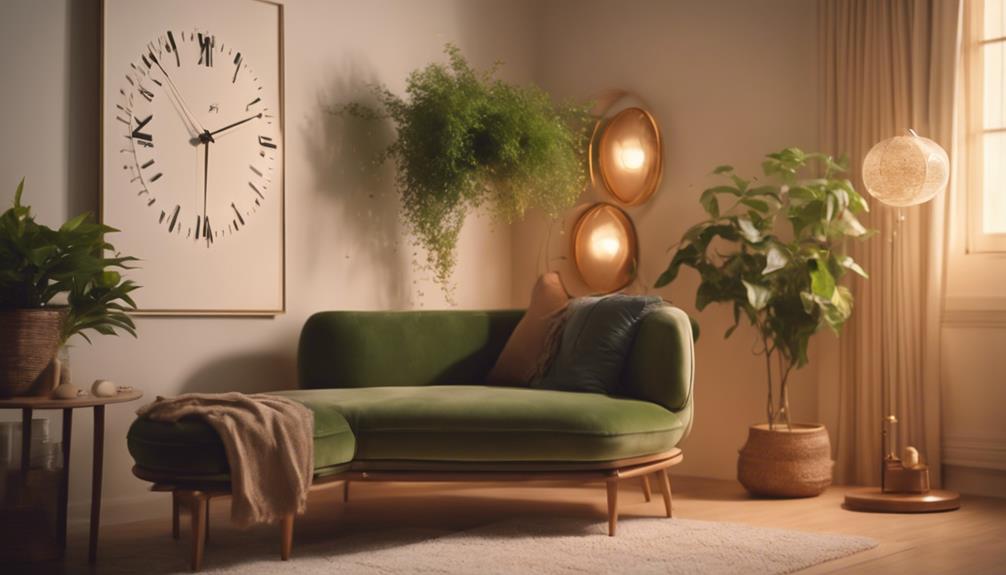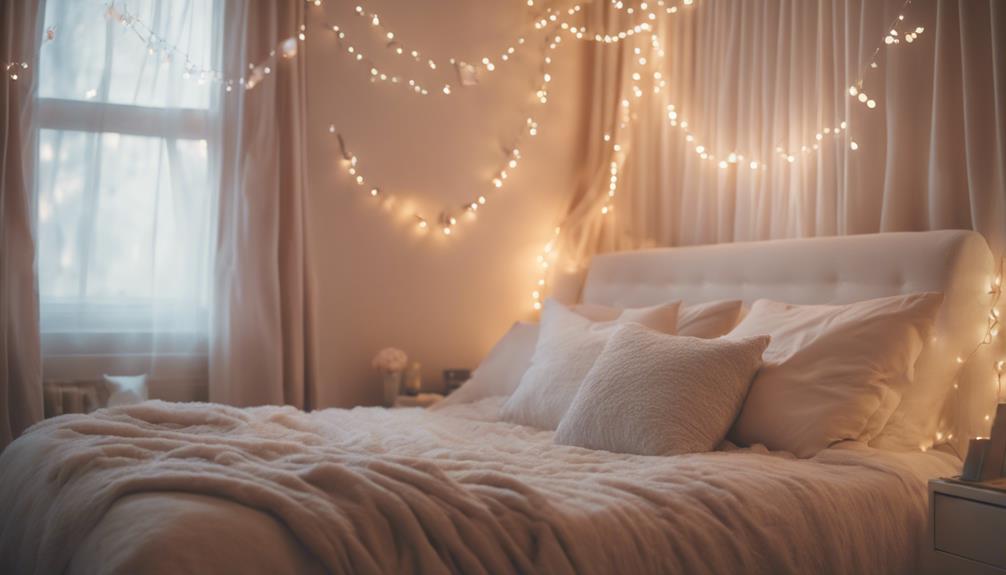
Layered lighting combines ambient, task, and accent layers to make your space inviting, functional, and energy-efficient. Ambient light sets the overall tone with gentle, uniform illumination. Task lighting focuses on specific areas for activities like reading or cooking, providing extra brightness. Accent lighting adds depth by highlighting artwork or architectural features, creating visual interest. Mastering these layers helps balance style and performance, and exploring further will give you even better control over your lighting design.
Key Takeaways
- Proper lighting design uses three layers: ambient, task, and accent, to create balanced and functional spaces.
- Ambient lighting provides overall illumination and sets the mood of the room.
- Task lighting focuses on specific activities, enhancing safety and productivity.
- Accent lighting highlights architectural features or decorative objects, adding visual interest.
- Combining energy-efficient options across layers promotes sustainability and reduces electricity costs.

Have you ever wondered how proper lighting can transform a space? It’s not just about making things visible; it’s about creating an environment that feels inviting, functional, and visually appealing. When you think about lighting design, it’s essential to consider how different layers of light work together to achieve this. Properly layered lighting enhances the room’s ambiance while also promoting energy efficiency, helping you save on electricity bills without sacrificing style or function.
Proper layered lighting transforms spaces into inviting, functional, and energy-efficient environments.
The first layer, ambient lighting, sets the overall tone of the space. It’s like the foundation of your lighting plan, providing uniform illumination that allows you to move comfortably and see clearly. You might use ceiling-mounted fixtures, recessed lights, or even wall sconces to achieve this. When designed thoughtfully, ambient lighting ensures the room feels warm and welcoming. But beyond aesthetics, it’s vital to select energy-efficient options—like LED bulbs—to minimize energy consumption. Good lighting design considers not just how the space looks but also how it performs, making sure you’re using energy wisely while maintaining the right level of brightness.
Next comes task lighting, which focuses on specific activities. Whether you’re reading, cooking, or working at a desk, task lighting provides the extra brightness needed for precision and safety. Desk lamps, under-cabinet lights, or adjustable fixtures are common choices here. Proper task lighting reduces eye strain and increases productivity, but it’s equally important to choose energy-efficient bulbs to keep your electricity use in check. By layering task lighting over ambient light, you create a balanced environment—bright enough for work but not overpowering. Good lighting design ensures that each task area is adequately illuminated without wasting energy, making your space both functional and eco-friendly.
Finally, accent lighting adds depth and character to your space. It highlights artwork, architectural features, or decorative objects, creating focal points that draw the eye. Spotlights, track lighting, or wall washers can serve this purpose well. Accent lighting isn’t just about aesthetics; it’s about crafting a mood and adding visual interest. When you opt for energy-efficient fixtures and bulbs, you’re enhancing the room’s ambiance without increasing your energy bills. This layered approach to lighting allows you to customize the atmosphere, making your space more dynamic and inviting while being mindful of energy consumption. Incorporating energy-efficient lighting options can significantly impact both your environment and your wallet.

Ring Battery Doorbell, Home or business security with Head-to-Toe video, Live View with Two-Way Talk, and Motion Detection & Alerts, Venetian Bronze
See more at your home or business — Get 66% more vertical coverage with the latest version of...
As an affiliate, we earn on qualifying purchases.
Frequently Asked Questions
How Do I Choose the Right Lighting Layers for Small Spaces?
To choose the right lighting layers for small spaces, focus on space-saving solutions and multi-purpose fixtures. Use ambient lighting to brighten the room without clutter, like wall-mounted or recessed lights. Add task lighting with adjustable fixtures for flexibility, and incorporate accent lights to highlight features without taking up extra space. This layered approach maximizes functionality and makes your small space feel larger and more inviting.
What Are the Latest Trends in Ambient Lighting Designs?
You’re likely noticing that warm color temperatures, around 2700K to 3000K, create cozy atmospheres, while cooler tones add modern flair. Trending fixture styles include minimalist LED panels, vintage-inspired sconces, and sleek pendant lights. These designs emphasize clean lines, smart controls, and customizable brightness. By mixing these elements, you can craft ambient lighting that’s both stylish and functional, perfectly aligning with current design movements.
How Can I Maximize Energy Efficiency With Layered Lighting?
To maximize energy efficiency with layered lighting, you should focus on energy conservation and use sustainable fixtures. Switch to LED bulbs, which consume less power and last longer. Incorporate dimmers and motion sensors to reduce unnecessary lighting. Opt for fixtures made from eco-friendly materials that support sustainability. By combining these strategies, you’ll cut energy costs and reduce your environmental impact while maintaining effective, layered illumination.
Are Smart Lighting Options Suitable for All Room Types?
Smart lighting options are suitable for most room types, but their effectiveness depends on room suitability. You can easily customize smart lighting to fit different spaces, from living rooms to kitchens or bedrooms. However, for rooms with specialized lighting needs or minimal electrical access, smart lighting might be less practical. Overall, smart lighting offers versatile control and energy efficiency, making it a good choice for many rooms in your home.
How Do I Balance Natural and Artificial Lighting Effectively?
To balance natural and artificial lighting, you should maximize daylight harvesting by opening curtains during the day, reducing the need for artificial light. Be mindful of light pollution that can cause glare and unwanted brightness. Use smart lighting controls to adjust artificial light levels based on natural light availability, creating a comfortable environment while saving energy. This approach guarantees a harmonious blend of natural and artificial illumination throughout the day.

Brother HL-L2480DW Wireless Compact Monochrome Multi-Function Laser Printer with Copy and Scan, Duplex, Mobile, Black & White | Includes Refresh Subscription Trial(1), Works with Alexa
BEST FOR SMALL OFFICES & WORK FROM HOME – Engineered for efficiency, the Brother HL-L2480DW Monochrome (Black &...
As an affiliate, we earn on qualifying purchases.
Conclusion
Now that you understand the differences between ambient, task, and accent lighting, you’re ready to create a well-balanced space. Combining these layers thoughtfully can transform any room into a functional and inviting environment. Don’t you want your lighting to enhance your daily life and highlight your favorite features? With a bit of planning, you can achieve the perfect harmony of light—so why settle for anything less?

Brother HL-L2460DW Wireless Compact Monochrome Laser Printer with Duplex, Mobile Printing, Black & White Output | Includes Refresh Subscription Trial(1), Works with Alexa
BEST FOR HOME OFFICES & SMALL TEAMS – Engineered for consistent, premium print quality, the Brother HL-L2460DW Monochrome...
As an affiliate, we earn on qualifying purchases.

Brother Professional Laser Printer with Scanner, High-Speed 36 ppm Monochrome All-in-One, Wireless Duplex Printing and Scanning, Cloud-Ready 3.5 in Touchscreen for Small Business (MFC-L2900DW)
Professional Performance: Elevate your business efficiency with this Brother Genuine laser printer delivering lightning-fast 36 ppm output, crystal-clear...
As an affiliate, we earn on qualifying purchases.