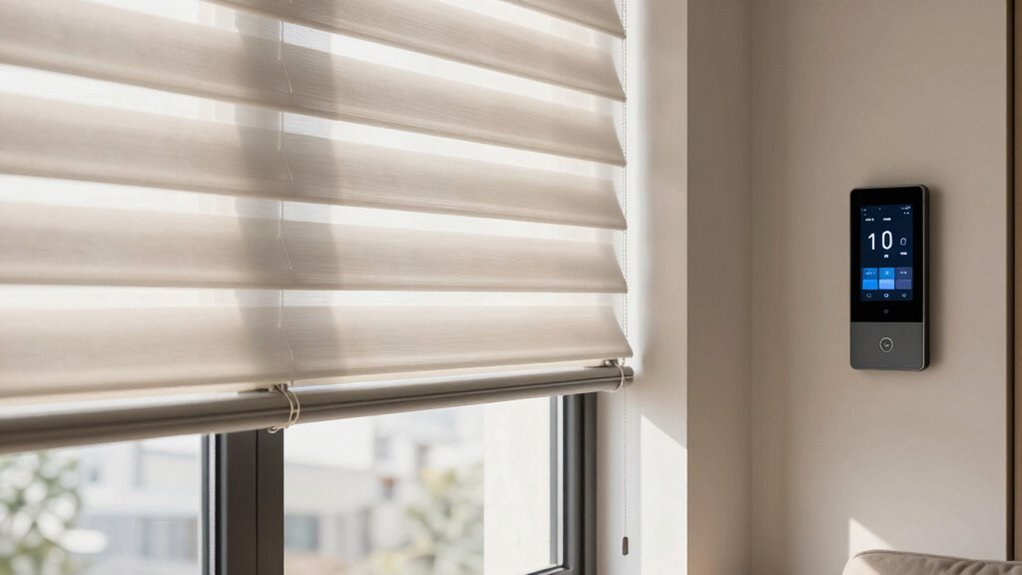

Planning your power setup early helps guarantee your motorized blinds work smoothly, safely, and efficiently. Proper wiring placement supports energy efficiency, simplifies installation, and makes future upgrades easier. It also helps prevent costly rewiring and safety issues later. By choosing the right power sources and location from the start, you’ll save time and money. Want to discover more tips on creating a reliable, smart system? Keep going to learn how to set up your blinds perfectly from the start.

Get everyday essentials delivered free with Prime
- Fast, free delivery on millions of items
- Prime Video, Amazon Music and more included
- Member-only deals all year
Key Takeaways
- Early power planning ensures smooth motor operation and simplifies future installation or modifications.
- Proper wiring placement enhances energy efficiency by optimizing power source locations.
- It facilitates seamless integration with smart home systems and future automation upgrades.
- Adequate power setup improves safety, reliability, and long-term system performance.
- Planning in advance reduces costly rework and ensures compatibility with appropriate power sources.
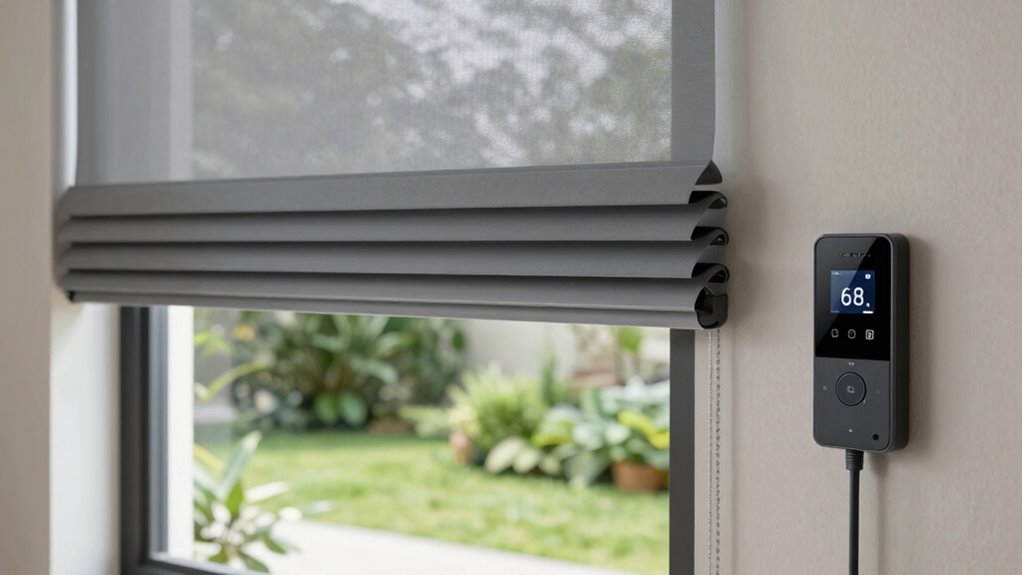
Have you ever wished you could control your window coverings with the touch of a button? That’s exactly what motorized blinds offer—convenience at your fingertips, whether you’re adjusting them from your couch or remotely managing multiple windows. But before you embark on installing these modern shades, it’s essential to plan your power setup early. Proper power planning isn’t just about making sure your blinds work smoothly; it also impacts energy efficiency and simplifies installation.
Motorized blinds offer effortless control—plan your power setup early for easy installation and energy efficiency.
When you consider energy efficiency, early planning becomes even more critical. Motorized blinds can help you regulate indoor temperatures, reducing your reliance on heating and cooling systems. Well-placed power sources and thoughtful wiring guarantee your blinds operate seamlessly, without wasting energy on inefficient wiring or battery replacements. If you’re opting for hardwired options, decide on the best locations for outlets during the initial planning stage—this minimizes the need for unsightly cords or additional wiring later. For battery-powered models, you need to account for easy battery access, so replacements are straightforward without disturbing your decor.
Installation tips should be part of your planning process from the start. Measure your windows accurately and determine the best mounting options—inside or outside the frame—based on your wall space and aesthetic preferences. Early planning helps you select the right motor size and type for each window, ensuring smooth operation and durability. Think about the placement of control units as well; whether you prefer wall switches, remote controls, or integration with smart home systems, deciding this beforehand simplifies the setup process. If you’re installing multiple blinds, consider centralized power sources and control systems to streamline operation and maintenance. Additionally, understanding power requirements early can prevent costly modifications later.
Another key aspect is considering future upgrades or integrations. Planning your power setup early allows you to choose compatible systems, so you can easily add voice control or automation later. This foresight can save you time and money, avoiding the need to redo wiring or switch components down the line. Also, keep in mind the safety of your home; secure wiring and proper insulation prevent hazards and ensure long-term reliability.
As an affiliate, we earn on qualifying purchases.
Frequently Asked Questions
How Long Do Motorized Blinds Typically Last?
Motorized blinds typically last around 5 to 10 years, depending on usage and quality. Your battery lifespan plays a vital role, as rechargeable batteries usually need replacing every 1 to 3 years with regular use. Motor durability is also essential; high-quality motors tend to withstand frequent operation for years without issues. Proper maintenance can extend the lifespan, ensuring your investment remains functional and reliable over time.
Are Motorized Blinds Energy-Efficient?
Yes, motorized blinds are energy-efficient because they help with energy savings by optimizing natural light and temperature control in your home. You can program them to open or close based on the time of day or weather, reducing your reliance on heating or cooling systems. This not only lowers your energy bills but also minimizes your environmental impact, making your home more eco-friendly. Proper power planning guarantees they operate smoothly and efficiently.
Can I Install Motorized Blinds Myself?
You can definitely try a DIY installation, but keep in mind that about 60% of homeowners find some compatibility issues during setup. Before you start, check compatibility considerations like window size, mounting options, and power sources. While DIY can save money, it’s essential to follow instructions carefully and confirm your motorized blinds are compatible with your existing setup. If unsure, consulting a professional might save you headaches later.
What Safety Features Do Motorized Blinds Have?
Motorized blinds come with essential safety features like child safety locks and sensors that prevent accidental pinching. They also prioritize battery safety, using secure, certified batteries to reduce fire risks. You should always make certain these features are in place and properly maintained. Regularly check for any damage or wear, and keep batteries out of reach of children to further ensure safety in your home.
Do Motorized Blinds Increase Home Security?
Yes, motorized blinds can boost your home security. When integrated into your smart home system, you can schedule or remotely control them, creating the illusion that someone’s home even when you’re away. This privacy enhancement discourages intruders by making your home less predictable. Proper power planning ensures reliable operation, so your blinds always respond as needed, providing continuous security and peace of mind for your household.
Conclusion
Planning your motorized blinds early is like charting a map before a journey—you’ll avoid costly detours and smooth the way for a seamless installation. When you prioritize power planning from the start, you set the stage for effortless automation and long-term reliability. Don’t wait until the last minute; early foresight acts as the compass guiding your project toward success. Ultimately, it guarantees your smart home functions like a well-orchestrated symphony, harmonious and stress-free.
Halloween Picks
halloween
As an affiliate, we earn on qualifying purchases.