In 2025, the most popular houseplants include bold, dark-leaved varieties like Anthuriums, ZZ Ravens, and Geogenanthus, which add sophistication and depth to your space. Strappy plants like Anthurium Padiflorum and low-maintenance terrarium-friendly succulents remain favorites. Variegated and patterned plants, such as Syngonium Mojito and Silver Blush, make striking statement pieces. To achieve the trendy, modern look, focus on layering textures and shapes, and learn how to style these eye-catching plants effortlessly.
Key Takeaways
- Hybrid anthuriums with dark, strappy leaves are trending for their bold aesthetic and visual impact.
- Dark foliage plants like Begonia, ZZ Raven, and Geogenanthus add sophistication and depth to modern interiors.
- Strappy varieties such as Padiflorum and Wendlingeri are popular for their unique shapes and manageable care needs.
- Variegated and patterned plants like Silver Blush and Syngonium Mojito serve as eye-catching statement pieces.
- Open terrariums and DIY styling enhance contemporary decor, showcasing rare, complex, and expressive houseplant collections.

Houseplants in 2025 reflect a blend of bold aesthetics and growing complexity, appealing to both casual enthusiasts and dedicated collectors. You’ll notice that plants like hybrid Anthuriums dominate social media feeds, thanks to their dark, strappy leaves and unique traits. These plants aren’t just pretty—they’re conversation starters, adding a striking visual element to any space. Their popularity shows that today’s plant lovers aren’t satisfied with simple greenery; they want statement pieces that showcase personality and style. Alongside these, Dracaena Goldieana has gained recognition for its vibrant color and more demanding care needs. If you’re up for a challenge, this plant rewards you with lush foliage and a sense of achievement, making it perfect for serious enthusiasts enthusiastic to deepen their horticultural skills.
In 2025, hybrid Anthuriums and Dracaena Goldieana are must-have statement plants for passionate collectors.
Hoya varieties, especially Hoya callistophylla, continue to be highly sought after for their distinctive patterned leaves. They’re ideal if you prefer low-maintenance plants with a touch of sophistication. Meanwhile, Variegated Alocasia Frydek is favored among collectors for its striking, variegated foliage, making it a standout in any curated collection. For those craving something more dramatic, rare plants like Monstera Esqueleto are increasingly popular. Their fenestrated, skeletal leaves make them a true showpiece, and their rarity boosts their desirability and value.
Dark, moody foliage trends are everywhere in 2025. Plants like Begonia, Anthuriums, Geogenanthus, and ZZ Raven are favored for their intense, almost brooding appearance. They lend a sense of sophistication to modern interiors and appeal to collectors seeking less common, more impactful aesthetics. These plants are often chosen for their ability to look effortlessly striking with minimal effort, resonating with buyers who want bold decor without fuss. The darker the foliage, the more it aligns with contemporary tastes, emphasizing mood and depth. This trend is supported by the increasing popularity of plants with dark foliage that create a dramatic visual impact.]
Strappy Anthuriums like Padiflorum, Wendlingeri, and Vittarifolium maintain consistent interest. These plants are valued for their unique shape and texture, making them favorites for hobbyists and long-term collectors. Their moderate care requirements strike a balance for dedicated growers who appreciate the satisfaction of nurturing something special over time. Open terrariums remain a top styling choice, favored for their modern, customizable look. Filled with succulents or low-maintenance plants, they’re perfect for DIY projects—an outlet for creativity and personal expression in indoor gardening.
Variegation and patterned leaves continue to captivate buyers. Plants like Variegated Anthurium Silver Blush and Syngonium Mojito draw attention with their contrasting colors and intricate patterns. Syngonium Mojito, with its speckled green and white leaves and climbing habit, is especially popular for its ease of care. Rarity remains a key factor for collectors, with unique specimens like Monstera Esqueleto commanding high prices and admiration. These plants stand out as statement pieces, fueling a market driven by novelty and exclusivity. Overall, the trend in 2025 is toward plants that challenge the traditional and embrace aesthetic boldness, complexity, and rarity, offering a rich, layered indoor garden experience.
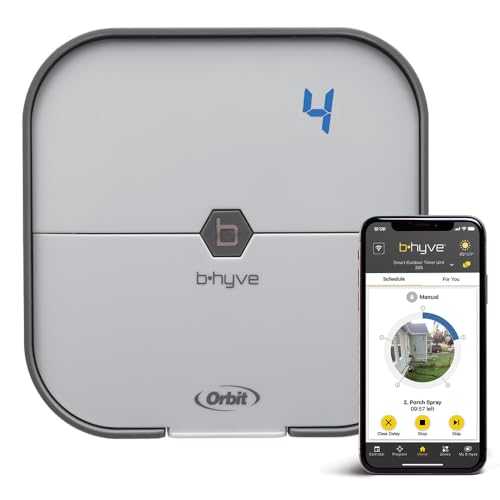
Orbit 57915 B-hyve 4-Zone Indoor Smart Sprinkler Controller
SMART SPRINKLER CONTROL - Orbit B-hyve offers a WiFi sprinkler timer with remote control capabilities for your irrigation...
As an affiliate, we earn on qualifying purchases.
Frequently Asked Questions
How Do I Care for Low-Light Houseplants Effectively?
To care for low-light houseplants effectively, you should check soil moisture regularly and water only when the top inch feels dry. Use pots with drainage holes to prevent overwatering. Increase humidity by grouping plants or misting leaves, and fertilize sparingly with a balanced, water-soluble fertilizer during growing seasons. Keep leaves clean and remove dead ones promptly, ensuring good air circulation to prevent pests and fungal issues.
What Are Eco-Friendly Ways to Propagate Houseplants?
Think of eco-friendly propagation as nurturing a tiny green galaxy. You can start by water propagation, using clean, recycled water or rainwater to develop roots, changing it weekly to keep bacteria at bay. Alternatively, opt for soil cuttings using biodegradable pots with organic, compost-free soil to reduce waste. Dividing plants or using leaf cuttings with natural humidity covers also minimizes environmental impact. These methods let you grow your indoor jungle sustainably and responsibly.
Which Houseplants Are Best for Allergy Sufferers?
If you’re looking for houseplants that suit allergy sufferers, choose options like Areca Palm, Peace Lily, Snake Plant, or Golden Pothos. These plants are low in pollen, easy to clean, and help purify indoor air. Avoid ferns and flowering plants with heavy pollen. Opt for plants that regulate humidity and have minimal mold risk. Regularly wipe leaves and avoid overwatering to keep your indoor environment allergy-friendly.
How Can I Prevent Pests on Indoor Plants?
While pests threaten your indoor plants, proactive steps can keep them at bay. You should regularly inspect your plants, keeping an eye on undersides of leaves and soil for signs of pests. Maintain proper watering and lighting to boost plant health, and use sterilized soil and clean pots to prevent pest introduction. Natural remedies like cinnamon or alcohol sprays can also help control infestations early, protecting your plants and your home.
What Creative DIY Projects Incorporate Houseplants?
You can create eye-catching DIY projects with houseplants by repurposing household items into planters. Think old teacups, colanders, or wooden boxes to craft unique containers. You can also design vertical gardens using shadow boxes or picture frames, or make mini terrariums with sand, pebbles, and plants. Hanging planters with macramé or leather straps add texture, while painted or gold-dipped pots bring a touch of luxury and personalization to your space.

Rachio WiFi Smart Sprinkler Controller (8-Zone Irrigation Remote Control) – App-Based Scheduling, Local Weather Intelligence, Rain Skips, Easy DIY Install
DITCH THE DIAL – Upgrade to smart irrigation with the free Rachio app for precise, easy control.
As an affiliate, we earn on qualifying purchases.
Conclusion
As you embrace these trending houseplants, your home becomes a lush garden oasis, bursting with life and personality. Think of your space as a vibrant canvas, each plant a bold brushstroke adding color and texture. With a little care and style, you’ll create a living masterpiece that lifts your spirits and invites nature indoors. So, go ahead—let your houseplants grow and flourish, turning your home into a thriving paradise.

Orbit 57925 B-hyve 8-Zone Smart Indoor Sprinkler Controller
SMART SPRINKLER CONTROL - Orbit B-hyve offers a WiFi sprinkler timer with remote control capabilities for your irrigation...
As an affiliate, we earn on qualifying purchases.

Rain Bird ARC6 App-Based Indoor Smart WiFi Irrigation Sprinkler Timer/Controller, 6-Zone/Station, EPA WaterSense Certified, Compatible with Alexa, Indoor 6-Station
Indoor WiFi sprinkler timer puts control of your sprinkler system in the palm of your hand with intuitive...
As an affiliate, we earn on qualifying purchases.