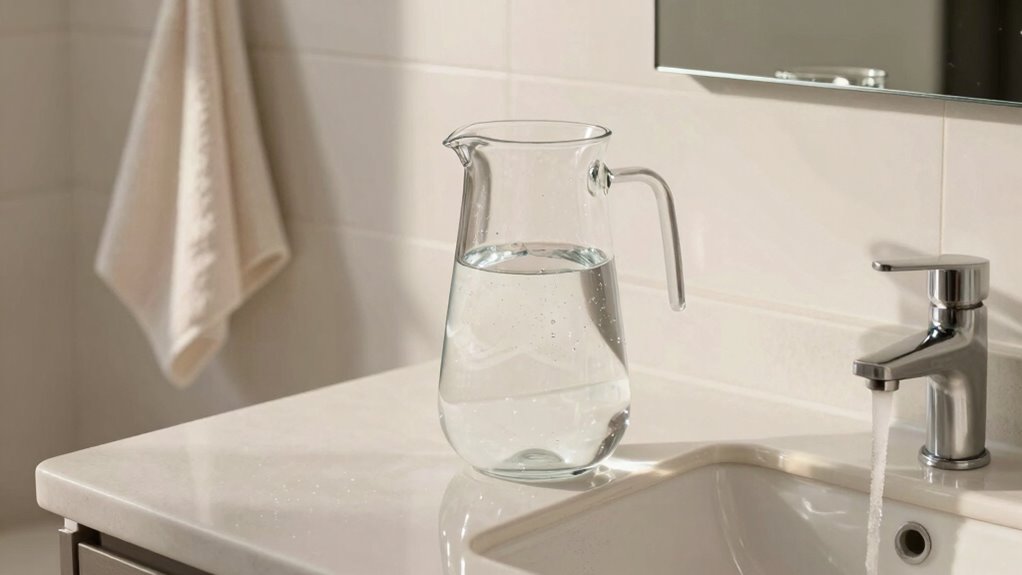

Water softening makes your kitchen and bathroom routines smoother by reducing mineral buildup on fixtures, glass, and appliances. You’ll find dishes come out spotless, soap lathers better, and cleaning becomes less effort. In the bathroom, your hair feels softer, skin stays moisturized, and there’s less soap scum on tiles and glass. Plus, appliances last longer with less maintenance. Keep exploring to discover how water softening can enhance your daily comfort and savings.

Get everyday essentials delivered free — and shop member deals
- Fast, free delivery on millions of items
- Access to Prime Big Deal Days deals on October 6–7
- Prime Video, Amazon Music and more included
Key Takeaways
- Softened water reduces mineral buildup, preventing stains and deposits on dishes, sinks, and fixtures.
- It improves soap lathering, making cleaning more effective and reducing the need for harsh cleaning products.
- Using soft water extends appliance lifespan by minimizing scale buildup in dishwashers, water heaters, and pipes.
- It results in smoother skin and softer hair, enhancing daily bathing and shower experiences.
- Soft water decreases soap scum and mineral spots, simplifying bathroom cleaning routines.
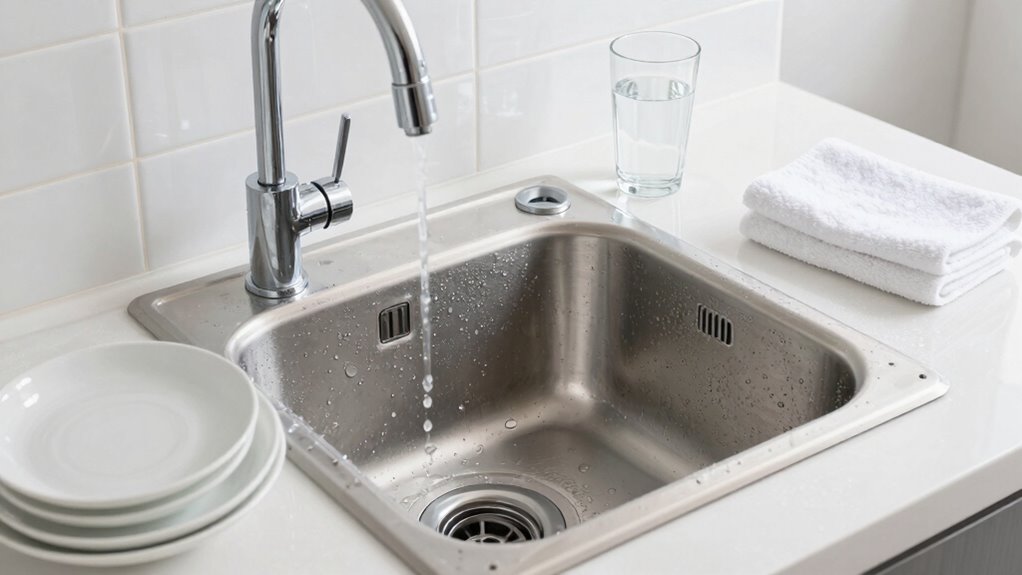
Have you ever noticed how hard water can leave spots on your dishes or make your skin feel dry after a shower? That’s a common sign of mineral buildup caused by high calcium and magnesium levels in your water. When you don’t soften your water, these minerals cling to surfaces, creating stubborn stains and reducing soap efficiency. In the kitchen, this means your soap struggles to lather well, making cleaning dishes more difficult and less effective. You might find yourself using more soap than usual, wasting both money and effort. Over time, mineral deposits can accumulate on your faucets, sink, and even inside your appliances, leading to clogs and reducing their lifespan.
Hard water causes mineral buildup, stains, and soap inefficiency, damaging appliances and reducing cleaning effectiveness.
When you install a water softener, you change how your daily routines unfold. Soft water has fewer minerals, so soap dissolves easily and creates a rich lather. This not only makes cleaning more efficient but also extends the life of your soap, shampoo, and cleaning products. You’ll notice your dishes come out spotless without the need for aggressive scrubbing, and your skin feels smoother after showers because soft water doesn’t strip away natural oils. The reduction in mineral buildup means fewer stains and less cleaning around your sinks and tubs, saving you time and effort. In the long run, you’ll spend less on repairs and replacements for appliances affected by mineral deposits, such as dishwashers, water heaters, and washing machines. Additionally, biodiversity can be impacted by the increased use of water softening systems, highlighting the importance of considering eco-friendly options. Using environmentally conscious softening methods can help mitigate these impacts and promote sustainable water management.
In the bathroom, soft water leaves a noticeable difference. You won’t see those unsightly mineral spots on your glass shower doors or tiles, and your hair feels softer and more manageable. Without mineral buildup clogging your showerhead or faucet aerators, water flows smoothly, providing better pressure and a more enjoyable shower experience. Soft water also reduces soap scum formation, making cleaning the bathroom surfaces easier and less frequent. You’ll find that you don’t need to use as much soap or cleaning agents, which further saves you money. Plus, with less mineral residue, your skin stays moisturized, and your hair retains its natural shine. Proper water treatment can also help preserve the integrity of your plumbing system over time. Regular maintenance of your water softening system can further enhance these benefits and prevent potential scale buildup issues. Additionally, understanding the effects of mineral deposits is essential for maintaining optimal appliance performance.
As an affiliate, we earn on qualifying purchases.
Frequently Asked Questions
Does Water Softening Affect the Taste of Drinking Water?
Water softening can improve the taste of your drinking water by enhancing its overall flavor and mineral balance. It reduces the presence of minerals like calcium and magnesium, which can cause a bitter or metallic taste. As a result, your water becomes cleaner and more invigorating. You might notice a smoother, more pleasant flavor, making your daily hydration more enjoyable. Overall, softening positively influences the taste, encouraging you to drink more water.
How Often Should I Maintain or Replace My Water Softener?
Think of your water softener as a trusty garden hose; it needs regular attention to keep flowing smoothly. You should follow a maintenance schedule, typically checking every 6 to 12 months, and replace the resin or unit every 10 to 15 years. Staying on top of maintenance and knowing replacement frequency guarantees your softener keeps working efficiently, saving you money and preserving your appliances’ lifespan.
Are There Any Health Risks Associated With Softened Water?
There are minimal health concerns associated with softened water, but you should be aware of potential issues like mineral absorption. Softened water contains higher sodium levels, which might be a concern if you have high blood pressure or kidney problems. Generally, the health risks are low for healthy individuals, but it’s wise to consult your doctor if you’re on a sodium-restricted diet or have specific health concerns related to mineral absorption.
Can Water Softening Reduce Soap Scum and Mineral Deposits?
Imagine your bathroom gleaming, free of stubborn soap residue and mineral buildup. Water softening reduces these issues by replacing hard minerals with sodium or potassium ions, making it easier to rinse away soap scum. As a result, your shower stays cleaner longer, and mineral deposits don’t cling to fixtures. You’ll notice less scrubbing and more sparkle, transforming your daily routines into simpler, more enjoyable moments.
Is Water Softening Compatible With All Types of Plumbing Systems?
Water softening is generally compatible with most plumbing systems, but you should check plumbing compatibility and system integration before installation. Some older or specialized systems may require modifications to guarantee smooth operation. You might need to consult a professional to evaluate your plumbing setup, especially if it involves complex or unique components. Proper system integration guarantees efficient softening and prevents potential issues, ensuring your plumbing remains in good condition.
Conclusion
As you embrace the gentle touch of softened water, your daily routines become a smoother dance. Say goodbye to stubborn stains and soap scum—your appliances and skin thank you for the upgrade. It’s like giving your home a revitalizing makeover, turning chaos into calm. With every wash, you’re weaving a little more comfort into your day, making life feel a bit brighter and a lot easier—like finally finding the perfect harmony in your home’s symphony.
Fall Picks
fall essentials
As an affiliate, we earn on qualifying purchases.