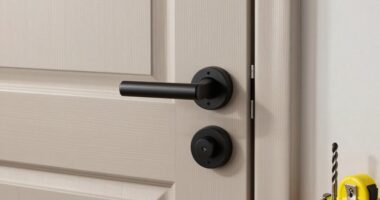
To prevent pests from sneaking in, focus on small gaps around doors, windows, and vents that often go unnoticed. Check your foundation, basement, and attic for cracks, openings, or damaged seals, and seal them with caulk or weatherstripping. Regular inspections help catch new vulnerabilities early. If you want to learn how to identify these hidden entry points and keep pests out effectively, keep exploring these easy prevention tips.
Key Takeaways
- Seal gaps around doors, windows, and siding using caulk, weatherstripping, or door sweeps.
- Inspect and seal foundation cracks and basement entry points regularly.
- Cover utility openings, vents, and pipes with mesh screens and seal gaps with caulk or foam.
- Check attic and roof vents for damage or gaps; install screens and seal any openings.
- Conduct routine inspections for tears, cracks, and damaged seals to maintain a pest-proof barrier.
How to Find Hidden Gaps Around Doors and Windows to Keep Pests Out
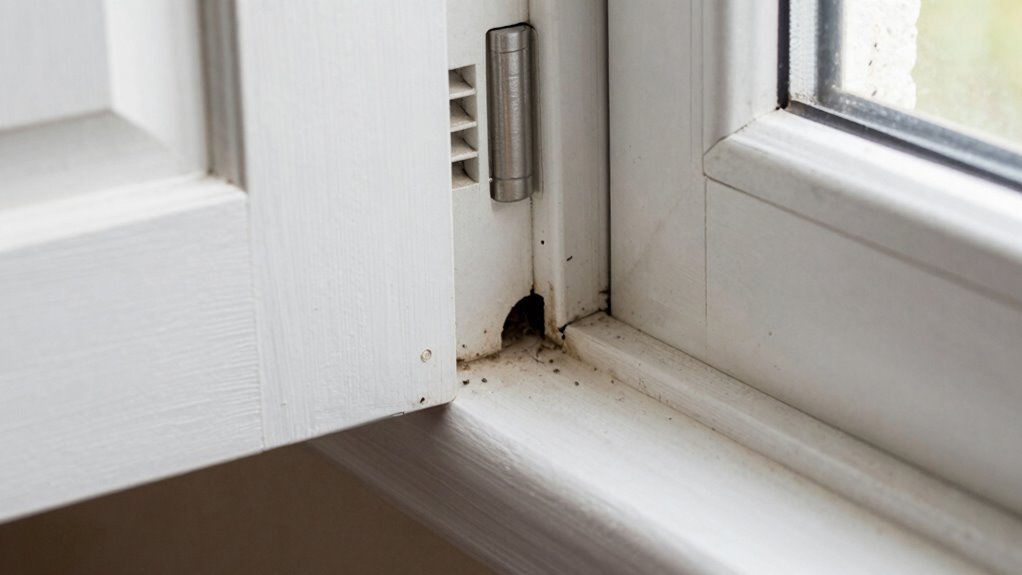
Even small gaps around doors and windows can serve as entry points for pests, so it’s essential to identify and seal them. Start by inspecting the edges of your doors for light shining through or feeling for drafts, which indicate gaps. Attach door sweeps at the bottom to block pests from crawling underneath. For windows, check if screens are intact and free of tears; damaged screens create easy access points. When you see gaps or holes, seal them with weatherstripping or caulk to prevent pests from sneaking in. Proper sealing techniques enhance home security and can significantly reduce pest entry points and improve overall home security. Utilizing precision sealing methods ensures that tiny gaps are effectively closed, further minimizing pest access. Don’t forget to regularly clean and repair window screens, as even tiny tears can let insects in. Taking these simple steps markedly reduces the chances of pests entering your home through overlooked openings. Maintaining proper home security measures, such as sealing entry points, also helps protect your home from unwanted pests and other intrusions. Regular inspections and prompt repairs are key to effective pest prevention, ensuring your home remains pest-free.
Inspect Foundation Gaps and Basement Entry Points for Pest Prevention
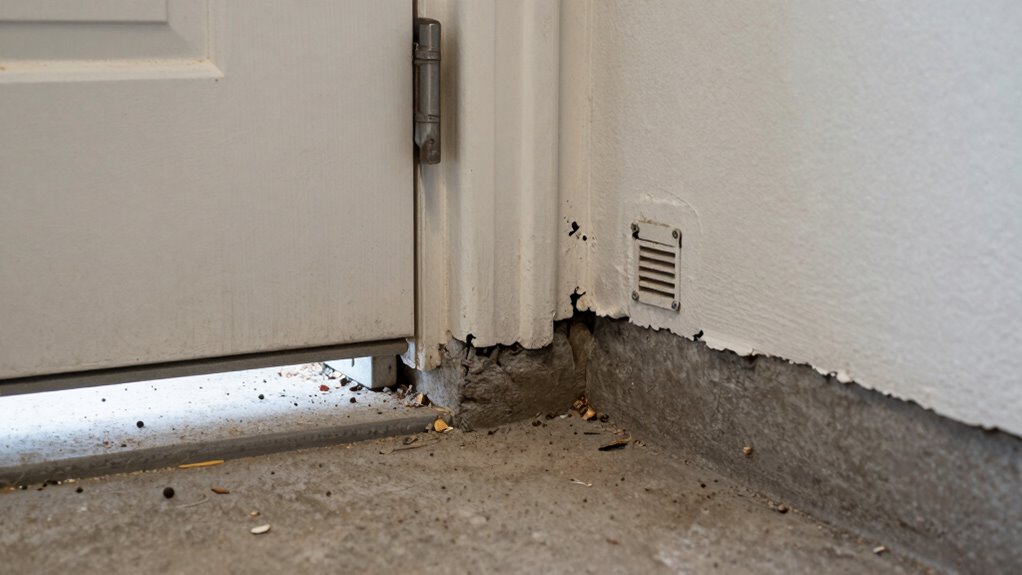
Start by sealing any cracks in your foundation to block pest entry points. Next, check that basement doors fit tightly and close securely. Finally, inspect utility openings and cover any gaps to keep pests out of your home. You can also consider using professional pest control services to identify and address hidden entry points effectively. Additionally, ensuring proper ventilation can help prevent unwanted pests from settling in damp areas, which is similar to how auditory processing can be improved through targeted therapies. Incorporating creative storytelling techniques in your pest prevention messaging can educate and motivate homeowners to take proactive measures and better understand the importance of home energy integration in maintaining a pest-free environment.
Seal Foundation Cracks
Inspecting your foundation for cracks and gaps is a crucial step in pest prevention. Small openings can serve as entry points for garden pests and other critters, especially if indoor humidity levels are high, creating a welcoming environment inside. Carefully examine your foundation walls, basement floors, and foundation vents for any visible cracks or holes. Use a good sealant or exterior-grade caulk to close these gaps, preventing pests from slipping inside. Pay particular attention to areas where pipes or wires enter your home, as these are common entry points. Sealing foundation cracks not only blocks pests but also helps maintain indoor humidity levels, reducing the likelihood of mold and other issues. Regularly inspect and reseal as needed to keep your home pest-free and secure. Incorporating foundation maintenance into your routine can further enhance your home’s defenses against unwanted critters. Additionally, staying aware of building vulnerabilities can help you identify potential new entry points before pests find them. Conducting routine pest inspections around your foundation can help catch issues early and prevent infestations. Keeping an eye on structural integrity ensures long-term protection against pest intrusion.
Check Basement Doors
Basement doors and their surrounding frames are common entry points for pests if not properly maintained. Over time, gaps or worn seals can develop, allowing insects and rodents to slip inside. To improve pest prevention, inspect your basement doors regularly for cracks, gaps, or damaged weatherstripping. Ensure that the door fits snugly within its frame and that thresholds are intact. Seal any openings with appropriate materials like caulk or door sweeps to block potential entryways. Don’t forget to check the area around the door for foundation gaps that pests could exploit. Keeping your basement doors in good condition creates a strong barrier, reducing the chances of unwanted pests invading your home. Regular maintenance is key to effective pest prevention, especially considering thermal behavior that can influence pest activity around entry points. Understanding pest movement patterns can help you identify the most vulnerable areas during different seasons. Additionally, paying attention to building structure can reveal other overlooked vulnerabilities that pests may use to gain entry. Recognizing entry point vulnerabilities can further enhance your pest prevention efforts and help maintain a pest-free home. Staying informed about pest control methods can also provide additional strategies to keep pests out effectively.
Inspect Utility Openings
Ensuring your home’s foundation is secure is a vital step in pest prevention. Utility openings, like those for utility boxes or cable entry points, can serve as entry paths for pests. Carefully inspect these gaps around your basement and foundation. Seal any cracks or holes with weather-resistant caulk or foam. Pay special attention to areas where cables or wires enter your home, as pests often exploit these openings. Properly sealed utility boxes prevent pests from crawling inside unnoticed. Use the following table to guide your inspection:
| Utility Opening | Inspection Tip |
|---|---|
| Utility box | Check for gaps and seal if needed |
| Cable entry | Seal around cables with caulk |
| Vent openings | Ensure screens are intact |
| Foundation gaps | Fill with expandable foam |
| Basement doors | Check and seal thresholds |
Taking these steps keeps pests out and your home protected. Regularly inspecting these entry points is an effective way to utilize pest prevention strategies and maintain a pest-free environment. Properly sealing utility openings can also improve your home’s overall energy efficiency, which is beneficial in both emergency situations and everyday living. Additionally, incorporating aquatic exercise routines around your home can help reduce stress and promote overall well-being, indirectly supporting your home maintenance efforts. Being vigilant about home entry points is essential for long-term pest control success.
Check Vents, Exhaust Openings, and Utility Penetrations for Gaps
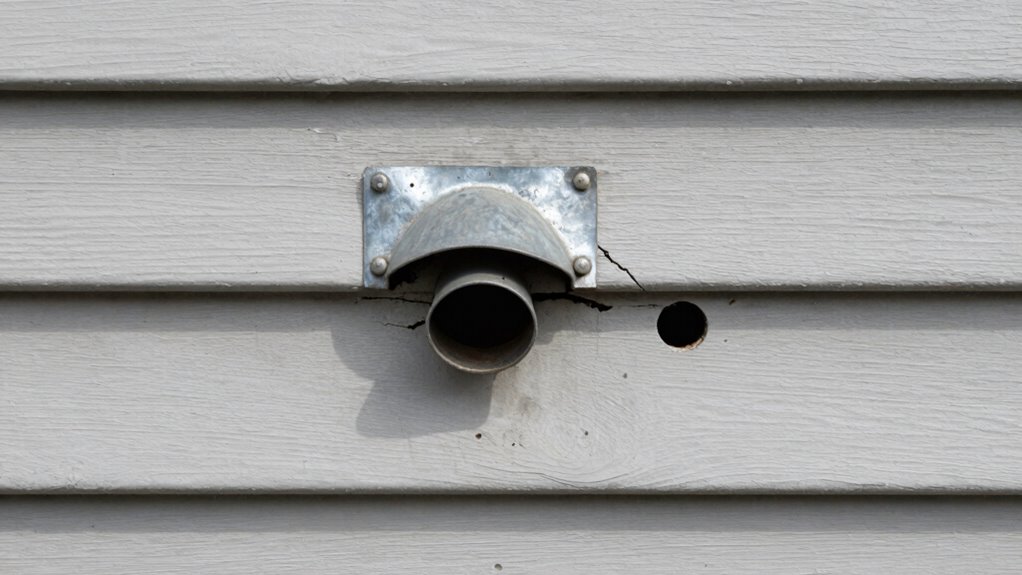
You should check vents, exhaust openings, and utility penetrations for gaps or cracks. Seal any openings you find to prevent pests from entering your home. Regular inspections help keep unwanted guests out and improve your overall pest prevention efforts. Additionally, understanding filtration systems can help you recognize the importance of thorough maintenance and attention to detail in protecting your home from pests.
Seal Gaps Around Vents
Have you checked for gaps around your vents, exhaust openings, and utility penetrations? Sealing these gaps is essential for effective pest prevention. During ventilation maintenance, inspect each area carefully for cracks or holes. Use a high-quality pest proof paint to seal small openings and cracks, creating a barrier that pests can’t penetrate. For larger gaps, consider using weatherproof caulk or foam sealant for a long-lasting fix. Don’t forget to check around exhaust fans and utility pipes, as these are common entry points. Properly sealing these gaps not only keeps pests out but also improves your home’s energy efficiency. Regularly maintaining these seals ensures your home stays pest-free and reduces the need for costly pest control measures down the line.
Inspect Utility Penetrations
Regularly inspecting utility penetrations is crucial for pest prevention. Check around your utility box, meter access, and other openings where cables or pipes enter your home. Gaps or cracks around these areas provide easy access for pests. Make certain that all openings are sealed tightly with appropriate materials such as foam, caulk, or weatherstripping. Pay close attention to areas where ducts, wires, or pipes pass through walls or floors. Don’t forget to inspect vent openings and exhaust openings for signs of damage or gaps. If you notice any cracks or holes, seal them immediately to block pests from entering. Keeping these penetrations secure not only protects your home but also reduces the risk of infestations. Regular inspections are a simple but effective step in pest prevention.
Seal Cracks in Wall Caulking and Exterior Siding to Block Pest Entry

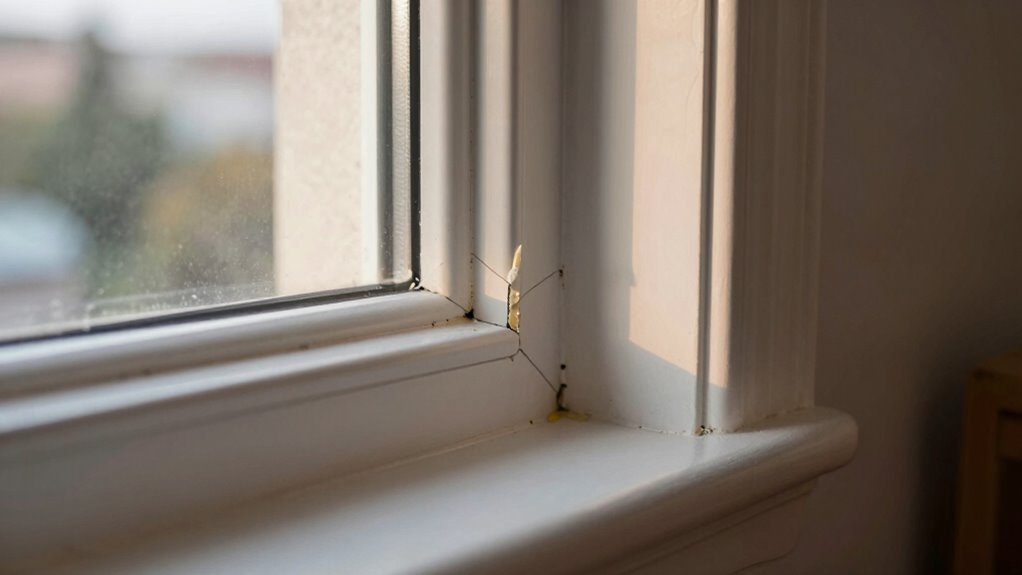
Cracks in wall caulking and exterior siding provide easy entry points for pests seeking shelter or food. These small gaps, such as wall cracks and siding gaps, allow insects and rodents to slip inside your home unnoticed. To prevent this, regularly inspect your home’s exterior for any openings. Use a high-quality sealant or caulk to fill in wall cracks, ensuring they’re sealed tightly. For siding gaps, consider replacing damaged or loose siding panels and applying sealant where needed. By sealing these vulnerabilities, you create a barrier that pests can’t penetrate. This simple step can markedly reduce the chances of an infestation and helps maintain a pest-free home environment. Remember, early prevention is your best defense against unwanted visitors.
Look for Unsealed Openings in Attic and Roof Vents
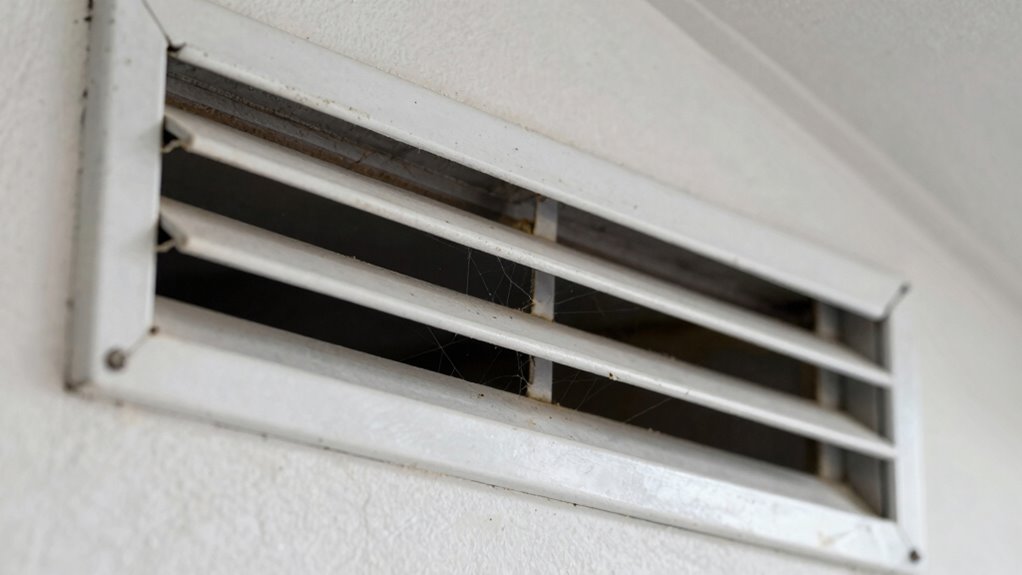
Attic and roof vents can become hidden entry points for pests if they aren’t properly sealed. Check these areas regularly, especially around attic insulation and roof flashing, to prevent unwanted visitors. Gaps or unsealed openings allow pests like rodents and insects to crawl inside unnoticed. Inspect the vents for damaged screens or missing covers, and ensure the flashing is secure and intact. Seal any gaps with weatherproof caulk or mesh screens designed for vents. Proper sealing creates a barrier that pests can’t penetrate, saving you trouble later. Here’s a quick overview:
| Vent Type | Common Issue | Sealing Tip |
|---|---|---|
| Attic vents | Unsealed gaps, damaged insulation | Use mesh or weatherproof caulk |
| Roof vents | Rusted or loose roof flashing | Replace or re-secure flashing |
| Exhaust vents | Cracks or missing screens | Install fine mesh screens |
| Attic ventilation | Gaps around wiring or pipes | Seal with foam or caulk |
| Ridge vents | Openings or damaged materials | Repair or replace damaged sections |
Identify Small Cracks in Basement and Garage Floors That Pests Can Use
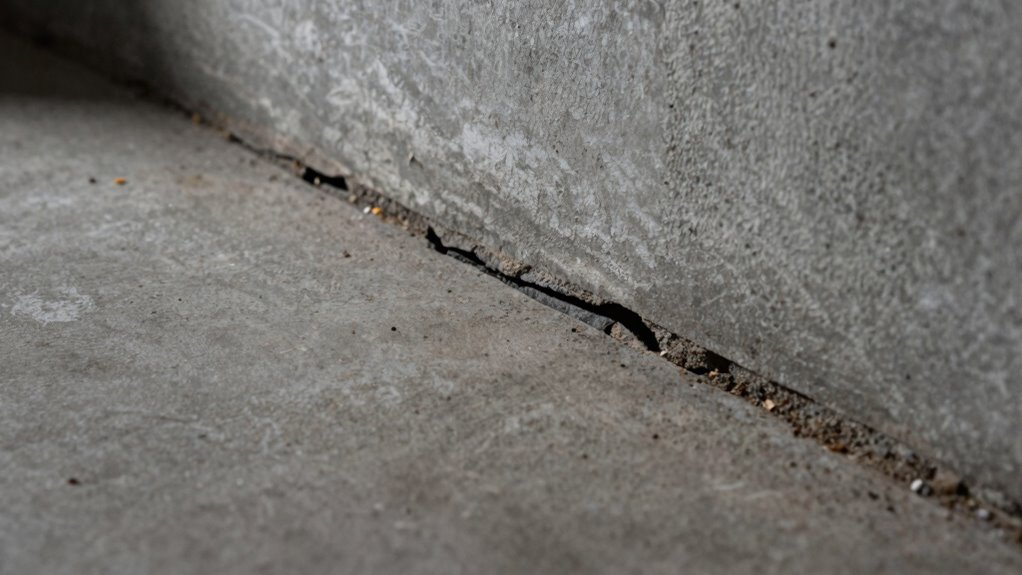
Since small cracks in basement and garage floors often go unnoticed, pests can exploit these tiny openings to gain entry into your home. Inspect your basement for basement cracks that may be hidden beneath debris or furniture. Look for any gaps or fractures in the concrete that could serve as pathways for ants, spiders, or even rodents. Similarly, check your garage for gaps along the edges of the floor where it meets the walls or near utility lines. These garage gaps are easy for pests to squeeze through, especially if they’re narrow. Sealing these small cracks and gaps with concrete filler or caulk can prevent pests from sneaking in. Regularly inspecting and maintaining these areas is a simple yet effective way to block pest entry points before they become a bigger problem.
How to Secure Pet Doors, Chimneys, and Other Unusual Entry Points
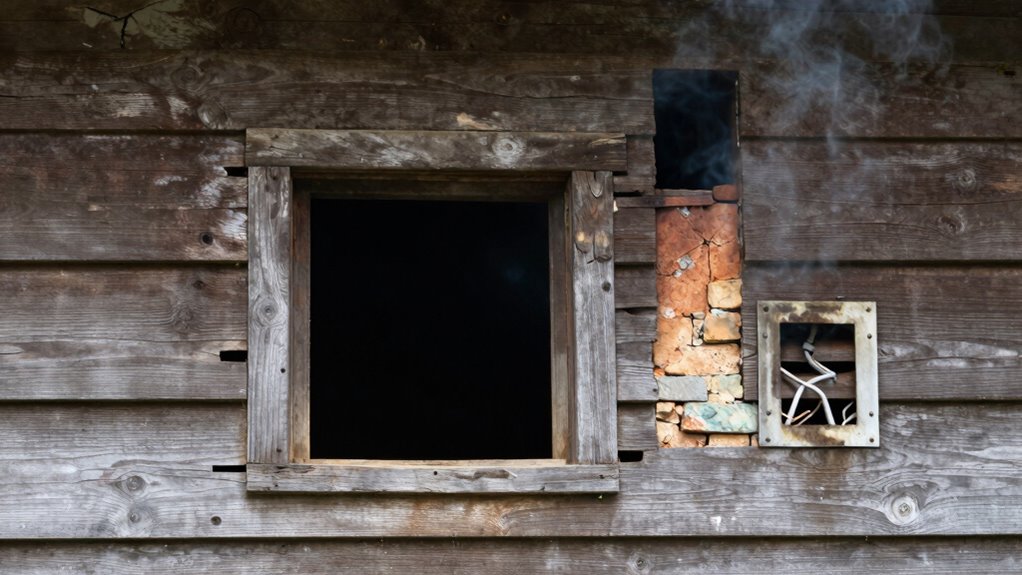
Unsecured pet doors, chimneys, and other unusual entry points can serve as convenient access points for pests seeking to invade your home. To prevent this, focus on pet door security by installing weatherproof, pest-proof flaps that seal tightly when not in use. For chimneys, chimney cover installation is essential; choose sturdy, mesh covers that block pests while allowing ventilation. Inspect all entry points regularly for gaps or damage, and seal any openings with caulk or steel mesh. Don’t forget to reinforce less obvious areas, like vents or utility openings. Taking these steps minimizes the risk of pests slipping inside, ensuring your home stays protected. Properly securing pet doors, chimneys, and other unusual entry points is a simple yet effective pest prevention strategy.
How Landscaping Can Create Pathways for Pests and What to Do About It
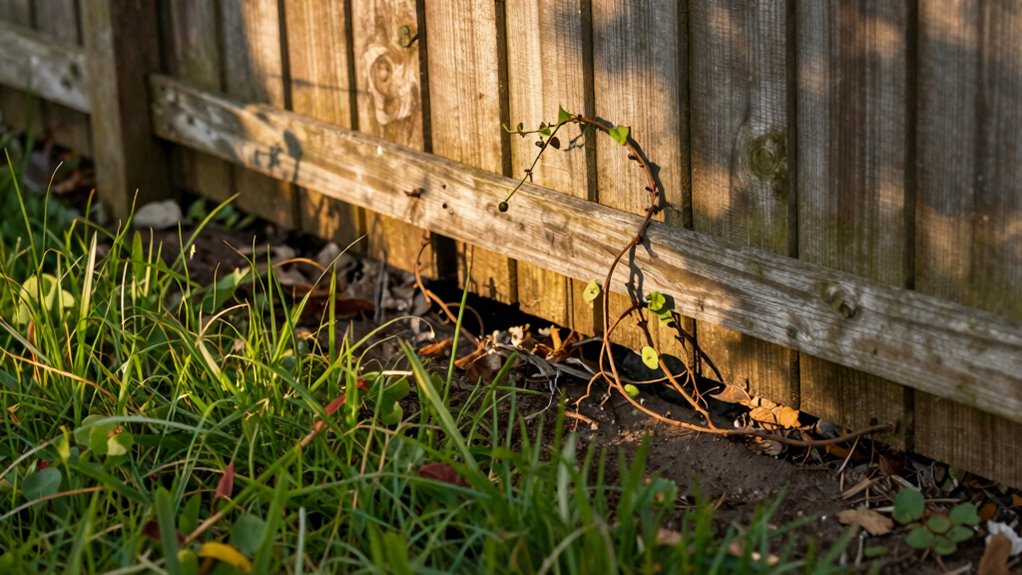
Landscaping choices can inadvertently create pathways for pests to enter your home. Poor landscaping design or improper plant placement can make it easy for pests to move closer to your house. For example, placing plants too close to the foundation provides shelter and easy access points for critters. To prevent this, keep a clear space between your home and plants, ideally 12 inches or more. Use the table below to understand common pitfalls and solutions:
| Problem | Solution |
|---|---|
| Overgrown shrubs near entry | Trim regularly to eliminate hiding spots |
| Plants touching siding | Keep plants at least 12 inches away |
| Mulch piled against house | Maintain a 6-inch gap from foundation |
| Tall grass near entry | Mow frequently to reduce cover |
| Dense bushes under windows | Thin out for better airflow and access |
Regularly Re-Inspect and Re-Seal Vulnerable Entry Points to Keep Pests Out
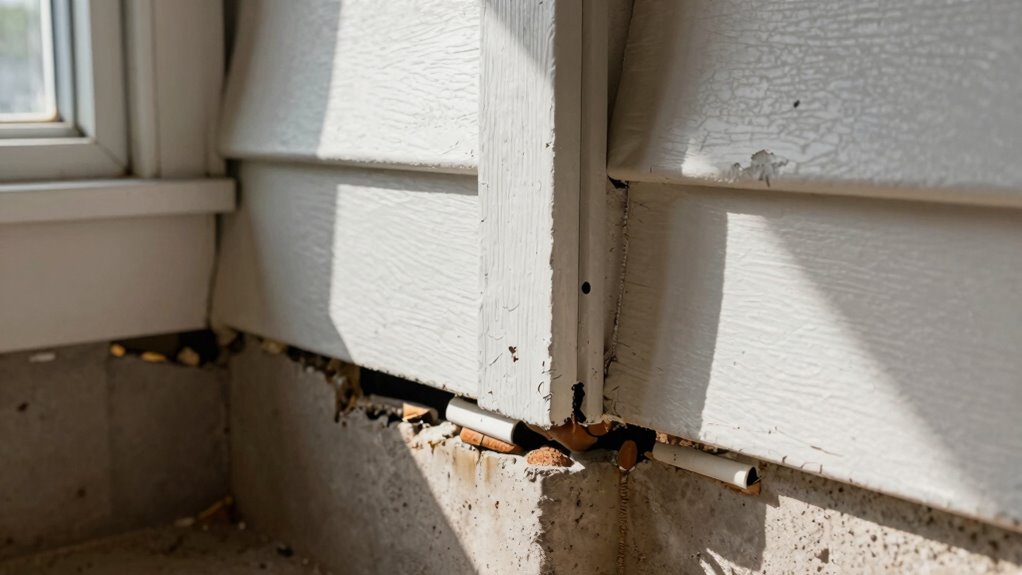
Regularly inspecting and re-sealing vulnerable entry points is essential for keeping pests out of your home. Over time, weather, shifting structures, and wear can create gaps or cracks that pests exploit. Incorporate effective pest proofing strategies by checking areas like door and window frames, utility openings, and foundation cracks. Entry point maintenance involves sealing any openings with caulk, weatherstripping, or mesh screens. Make this a routine, especially after severe weather or renovations. This proactive approach prevents pests from gaining entry and reduces the need for costly exterminations later. Staying vigilant and maintaining your home’s seals ensures your pest proofing strategies remain effective, helping you keep unwanted visitors outside where they belong.
Frequently Asked Questions
How Often Should I Perform Pest Prevention Inspections?
You should perform pest prevention inspections at least once a month to maintain an effective pest prevention schedule. Regular inspections help you catch potential entry points early and prevent infestations. If you notice signs of pests, increase inspection frequency. Consistency is key, so set a routine that fits your lifestyle and property size. Staying vigilant guarantees you address issues promptly, keeping your home or business pest-free.
What Tools Are Best for Sealing Small Gaps Effectively?
Like a locksmith securing a vault, you should use high-quality sealants like silicone, latex, or polyurethane to seal small gaps effectively. These sealant types provide flexibility and durability, perfect for gap filling techniques that block entry points. Apply with a caulk gun or foam applicator for precision. Ensuring tight seals keeps pests out, just like a fortress guarding its treasures. Regularly inspect and reapply as needed for ongoing protection.
Are There Eco-Friendly Pest Deterrent Options for Entry Points?
Yes, you can use eco-friendly pest deterrent options at entry points. Natural repellents like peppermint oil, citronella, or garlic spray work effectively, and you can easily create DIY barriers with household materials like copper tape or mesh screens. These methods are safe for the environment, pets, and family, while helping keep pests out without harmful chemicals. Regularly reapply natural repellents to maintain their effectiveness.
How Can I Identify Signs of Pest Entry Early?
You can identify signs of pest entry early by conducting regular entry point inspections around your home. Look for small holes, gnaw marks, or shredded materials near windows, doors, pipes, and vents. Pay attention to droppings or strange odors, which are early pest signs. Staying vigilant and inspecting these areas frequently helps you catch problems before they escalate, allowing for prompt pest prevention measures.
Do Seasonal Changes Affect Pest Entry Points?
Seasonal changes definitely impact pest entry points, as you might notice seasonal vulnerabilities during temperature fluctuations. When it gets colder, pests look for warm shelter, often exploiting gaps or cracks in your home’s exterior. In warmer months, they’re drawn to moisture or food sources. Staying vigilant during these periods helps you identify and seal potential entry points early, preventing pests from invading your space.
Conclusion
Remember, pests can enter through tiny gaps you might overlook. Regularly inspecting and sealing these entry points can reduce infestations markedly. In fact, studies show that sealing common gaps can prevent up to 80% of pest entry points, saving you time and money on treatments. Stay vigilant, re-inspect often, and keep your home sealed tight—it’s your best defense against unwelcome guests!