
TL;DR

Get everyday essentials delivered free with Prime
- Fast, free delivery on millions of items
- Prime Video, Amazon Music and more included
- Member-only deals all year
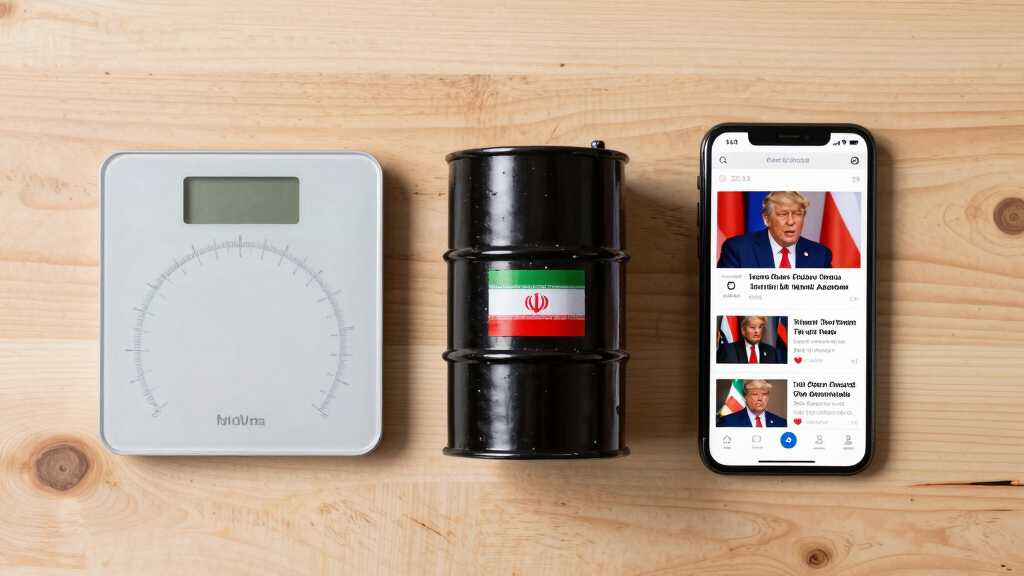
The Mexican peso is falling today amid rising tensions between the US and Iran in the Strait of Hormuz. The conflict has heightened geopolitical uncertainty, leading to a decline in the peso against the dollar. The situation remains fluid, with ongoing developments likely to influence the currency’s movement.
The Mexican peso has declined sharply against the US dollar today, driven by escalating tensions between the United States and Iran in the Strait of Hormuz. This geopolitical conflict has increased market uncertainty, prompting investors to seek safer assets and causing the peso to weaken. The development underscores the potential economic impact of international conflicts on emerging market currencies.
According to financial data from El Financiero, the peso has depreciated approximately 1.5% against the dollar during trading hours today, reaching a multi-month low. The decline is linked to recent military and diplomatic escalations in the Strait of Hormuz, a critical chokepoint for global oil shipments. The US military has increased its presence in the region following reports of Iranian military activity, heightening fears of a broader conflict.
Market analysts note that geopolitical tensions tend to influence currency markets, especially in emerging economies like Mexico, which are sensitive to global risk sentiment. The Mexican government has not issued an official statement but is monitoring the situation closely, emphasizing stability and economic resilience.
Impact of Geopolitical Tensions on Mexican Currency
The decline of the peso amid US-Iran tensions highlights how international conflicts can directly affect emerging market currencies. For Mexico, this situation could lead to higher inflation, increased import costs, and volatility in financial markets. It also underscores the vulnerability of the peso to geopolitical shocks, which can influence investment flows and economic stability.
As an affiliate, we earn on qualifying purchases.
Recent Escalations in US-Iran Tensions and Market Reactions
Over the past week, tensions in the Strait of Hormuz have escalated following reports of Iranian military actions and US military deployments in the region. The Strait is a vital route for global oil exports, and disruptions there can have widespread economic repercussions. Financial markets globally have responded with increased volatility, with oil prices rising sharply and safe-haven assets gaining value.
Historically, conflicts in this region have led to currency fluctuations in emerging markets, especially those with close trade or financial ties to the US or the Middle East. The Mexican peso has previously experienced volatility in response to geopolitical crises, making today’s decline part of a broader pattern.
“We are monitoring the situation closely. While the peso has weakened today, our focus remains on maintaining financial stability and supporting economic resilience.”
— Official from the Mexican Central Bank
Unclear Duration and Broader Market Impact
It is not yet clear how long the tensions will persist or whether they will escalate further. The full economic impact on Mexico and other emerging markets depends on the duration and intensity of the conflict, as well as responses from global policymakers. Market reactions remain volatile, and further developments could significantly alter the currency’s trajectory.
Monitoring Developments and Market Responses
Investors and policymakers will closely watch the situation in the Strait of Hormuz, including any military actions, diplomatic negotiations, or de-escalation efforts. The Mexican government is expected to continue monitoring the currency and financial markets, with potential interventions if volatility persists. The coming days will be critical in determining whether the peso stabilizes or faces further decline.
Key Questions
What caused the peso to fall today?
The peso declined due to increased geopolitical tensions between the US and Iran in the Strait of Hormuz, which heightened market uncertainty and risk aversion among investors.
How might this conflict affect Mexico’s economy?
Prolonged tensions could lead to currency volatility, higher import costs, inflationary pressures, and increased financial market instability in Mexico.
Is this decline expected to continue?
The future movement of the peso depends on the evolution of the US-Iran conflict and broader geopolitical developments. Uncertainty remains high, and further volatility is possible.
What are Mexico’s official responses?
The Mexican Central Bank has stated it is monitoring the situation and remains committed to maintaining financial stability amid the crisis.
Source: google-trends
Halloween Picks
halloween
As an affiliate, we earn on qualifying purchases.