Beyond the glamour, former child stars often face ongoing mental health struggles like PTSD, addiction, and exploitation that can leave lasting scars. Growing up in the public eye exposes them to overwhelming pressures, industry rejection, and sometimes abuse, which aren’t always acknowledged or supported. Many struggle with identity after leaving fame, and without proper resources, their recovery is tough. If you want to uncover the real stories behind these hidden challenges, there’s more to discover here.
Key Takeaways
- Many former child stars face ongoing mental health struggles, including PTSD-like symptoms, due to early industry pressures and exploitation.
- Substance abuse and addiction are prevalent, often stemming from the pressures of fame and lack of industry support.
- Abuse and harassment during childhood in the industry leave lasting trauma for many ex-child actors.
- Transitioning out of childhood fame can cause identity crises and career stagnation, impacting long-term well-being.
- The industry’s lack of mental health resources and safeguards exacerbates these challenges, leaving lasting scars beyond the spotlight.

Growing up in the public eye often leaves you feeling overwhelmed, exhausted, and misunderstood. Many experience symptoms similar to PTSD, including poor decision-making and behavioral struggles, frequently going undiagnosed. Coping with fame during adolescence can drain your emotional reserves, and rejection or objectification from the industry only amplifies your struggles. Mental health problems are common among those who once shined brightly but now find themselves lost in the aftermath, vulnerable to psychological trauma that lingers long after the cameras stop rolling. Additionally, the lack of mental health resources within the industry often prevents early intervention and support for these issues. Substance abuse and addiction are also widespread among former child stars. You might have seen the struggles of icons like Macaulay Culkin or Lindsay Lohan, whose battles with drugs and alcohol became tabloid staples. The intense pressures of early fame often drive young actors toward substance use as a way to cope with stress, trauma, and feelings of isolation. Without proper guidance or support, many fall into addiction, exposing themselves to harmful environments within the industry. These struggles often lead to public rehab stints, failed attempts at sobriety, and tragic outcomes like overdose or death. Substance abuse becomes a dark chapter that shadows many childhood careers, making recovery a long, difficult process. Many child stars also face exploitation and abuse. Instances of sexual harassment and molestation are disturbingly common, with some speaking out years later as advocates for survivors. During their formative years, they often lack the protection or recourse needed to escape predatory behavior. The industry’s failure to shield young actors from exploitation leaves scars that last a lifetime, including PTSD and ongoing trauma. The absence of safeguards creates dangerous environments where abuse can thrive, further damaging mental health and self-esteem. Transitioning out of childhood fame often feels like an uphill battle. By their late 20s, many former stars leave acting due to burnout or a lack of suitable roles. The “Disney star” label stigmatizes those trying to mature their careers, leading to identity crises where their self-worth is tangled up in childhood success. Some find new paths behind the scenes or in entirely different careers, but many face stagnation and ongoing psychological struggles. Growing up in the industry’s glare leaves scars that can persist long after the cameras stop rolling, revealing a reality far from the glamorous facade that once captivated the world.

COMFEE’ Countertop Dishwasher, Energy Star Portable Dishwasher, 6 Place Settings & 8 Washing Programs, Speed, Baby-Care, ECO& Glass, Dish Washer for Dorm, RV& Apartment, Black
6 Place Setting- A perfect size (H17.2″×W21.6″×D19.7″) for 2-3 people, COMFEE’ compact dishwasher is suitable for dorms, RVs,...
As an affiliate, we earn on qualifying purchases.
Frequently Asked Questions
What Are Common Challenges Faced by Former Child Stars?
You might wonder about the common challenges faced by former child stars. Many struggle with mental health issues like anxiety, depression, and identity crises, often linked to trauma from early fame. You could also face addiction, financial instability, and career uncertainties, all compounded by exploitative environments and intense public scrutiny. These pressures make it tough to shift seamlessly into adulthood, affecting your well-being and future stability.
How Do Former Child Stars Transition Into Adult Careers?
You can switch into adult careers by reinventing yourself through diverse roles or shifting to new fields like music or entrepreneurship. Pursuing education or specialized training helps you develop new skills and open fresh opportunities. Building strong support networks and mentorships makes the process smoother, reducing burnout and boosting confidence. Planning your transition gradually rather than abruptly can lead to a more sustainable and fulfilling adult career outside of childhood fame.
What Impact Does Early Fame Have on Mental Health?
Think of early fame as a double-edged sword slicing through your childhood, leaving emotional scars behind. It impacts your mental health by exposing you to high stress, intense media scrutiny, and unstable environments. You might develop anxiety, depression, or identity crises, feeling like you’re lost in a storm you can’t control. The pressure to perform and maintain fame can overwhelm, making it harder to build a stable, healthy sense of self later on.
How Do Former Child Stars Maintain Privacy and Personal Boundaries?
You can maintain privacy by setting clear boundaries, like limiting your social media presence and controlling what content gets shared. It’s important to establish autonomy, perhaps by reducing visibility or shifting to private life if needed. Seek support from mental health professionals to navigate the emotional challenges. Remember, advocating for stronger privacy laws and being selective about digital exposure helps protect your personal space and future well-being.
What Support Systems Are Available for Former Child Stars?
You can access various support systems as a former child star. Organizations like A Minor Consideration offer emotional support, legal referrals, and community connections. Mental health services tailored to your needs help address trauma and prevent long-term issues. Peer networks provide shared understanding and encouragement, while advocacy groups push for better protections in child labor laws. These resources aim to support your well-being and help you navigate life beyond acting.
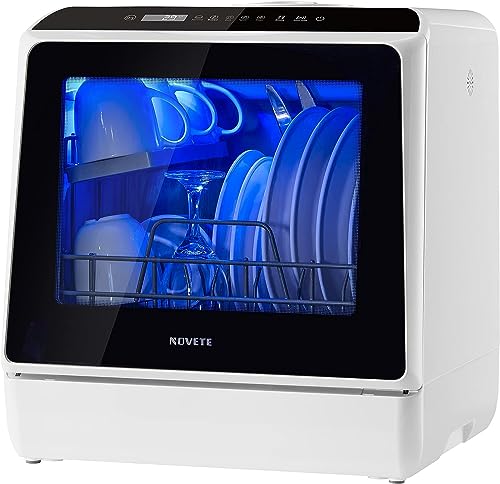
NOVETE Portable Countertop Dishwashers, Compact Dishwashers with 5L Built-in Water Tank & Inlet Hose, 5 Washing Programs, Baby Care, Air-Dry Function and LED Light for Small Apartments
【SMALL SIZE, LARGE CAPACITY】This portable dishwasher only measures 16.9 x 16.8 x 18.1 inches, but holds 4 full...
As an affiliate, we earn on qualifying purchases.
Conclusion
So, next time you see a former child star stumble or shine, remember—they’re just folks, not fairy tales. Behind those big dreams and bigger smiles, life’s got its plot twists. Fame’s a fickle friend, and childhood stardom’s just a chapter, not the whole story. Keep your popcorn ready—because behind the curtains, it’s a wild, unpredictable show. And trust me, you wouldn’t want to miss the next act.

EUHOMY Countertop Dishwasher Portable with 6 Programs, 5L Built-in Water Tank for Apartments & RV, 167℉ High-Temp, No Hookup Needed, Mini Dishwasher with Baby Care, Air Dry/Quick/ECO/Fruit/Normal Mode
𝐍𝐨 𝐈𝐧𝐬𝐭𝐚𝐥𝐥𝐚𝐭𝐢𝐨𝐧 — 𝐓𝐚𝐧𝐤 𝐨𝐫 𝐅𝐚𝐮𝐜𝐞𝐭, 𝐑𝐞𝐚𝐝𝐲 𝐅𝐚𝐬𝐭: No permanent setup required. Use the built-in 5L (1.32 gal)...
As an affiliate, we earn on qualifying purchases.

COMFEE’ Portable Mini Dishwasher, Energy Star, Countertop, 6 Place Settings, with 8 Washing Programs, Speed, Baby-Care, ECO& Glass, Dish Washer for Dorm, RV& Apartment, White
【6 Place Setting】- A perfect size (H17.2″×W20.6″×D21.6″) for 2-3 people, COMFEE’ compact dishwasher is suitable for dorms, RVs,...
As an affiliate, we earn on qualifying purchases.