
TL;DR

Get everyday essentials delivered free with Prime
- Fast, free delivery on millions of items
- Prime Video, Amazon Music and more included
- Member-only deals all year
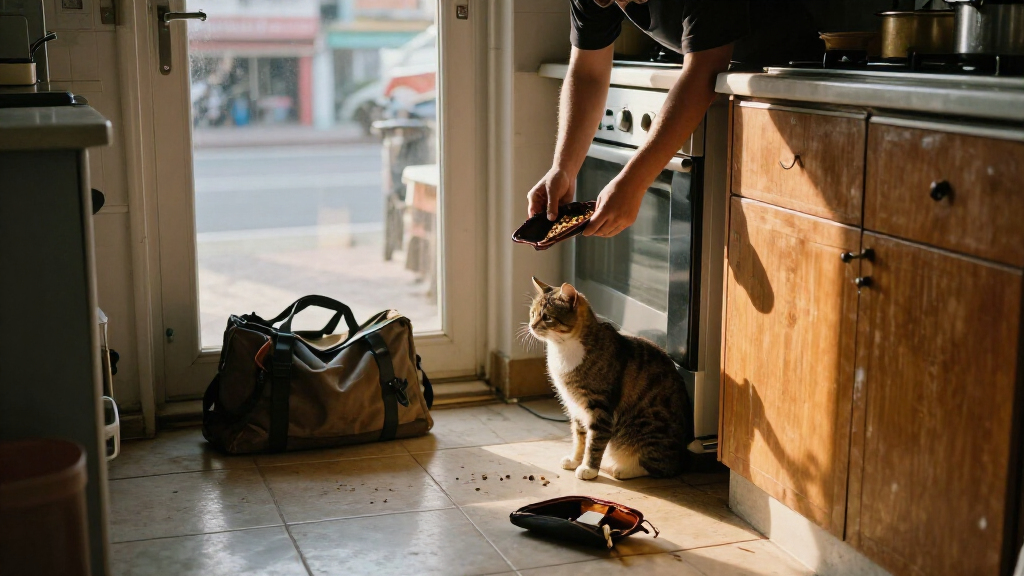
Meduza has published an interview with Elmira Drau, a Russian English teacher who left Gelendzhik for Yerevan in May 2022 after police contacted her over an antiwar comment. She says she and her husband arrived without remote jobs, contacts in the city or reliable access to their money, and at times could afford little beyond food for their cat. Drau says she has since developed income-generating projects and helps stray animals.
Meduza published an interview with Elmira Drau, a 32-year-old Russian English teacher who left Gelendzhik for Yerevan in May 2022 after police summoned her over an antiwar comment in a Telegram chat. Drau says she and her husband arrived with money from selling their car, no remote jobs and no local contacts; at times, she said, they had enough to feed their cat but little else. Her account traces how she built a new income in Armenia.
Drau told Meduza that the move was made quickly after Russia’s full-scale invasion of Ukraine began. She said she had posted a long criticism of people supporting the war in a local Telegram chat, then left the group. In May, a police officer called about an anonymous complaint and asked her to come to the station. The following day, she said, she was summoned while handling a document change and then told to sign an administrative offense report. Drau said an officer warned that refusing could lead to detectives being called and her being jailed for 15 days.
She said she contacted the human rights project OVD-Info through its chatbot while being taken to the station and received instructions. After questioning, she was released. Drau told Meduza that she and her husband left Russia 10 days after she learned of the complaint. She was worried she might be prevented from leaving, particularly after an acquaintance was detained the day before their departure, she said. According to Drau, officers continued visiting her relatives’ homes after she had left and asking whether she had returned.
The couple chose Armenia because it seemed possible to travel there quickly with Drau’s Russian domestic passport and to remain without a visa for an extended period, she said. Their first days brought practical problems: their virtual cards on Russia’s Mir payment system did not work, and they could not withdraw cash at an ATM. Drau said a hotel owner let them check in and sleep before paying. She told Meduza she has since launched more than one project that provides income, helps stray animals and is writing a book about emigration. The interview does not give the projects’ names, earnings or financial timeline.
The Cost of Rebuilding Abroad
Drau’s account shows how political pressure and sudden departure can overlap with the ordinary barriers of starting over: finding work, accessing money, and paying for daily needs. Her experience is a personal account, not evidence that all Russian emigrants face the same circumstances. It does, however, give readers a concrete view of the risks and logistical problems she says shaped her decision to leave and her first weeks in Yerevan.
The financial details also make clear that relocation did not immediately produce stability. Selling a car provided the couple’s starting funds, but neither had remote employment, and payment access failed after arrival. Drau says she later developed income-producing projects, though the interview offers no figures to assess how much they earn or how long it took to establish them. That distinction matters: the story describes a path to rebuilding, not a documented measure of typical outcomes.
international travel money transfer cards
As an affiliate, we earn on qualifying purchases.
As an affiliate, we earn on qualifying purchases.
From Gelendzhik to Yerevan
Drau said that before 2022 she and her husband had not planned to emigrate. In the early days of the invasion, they looked for a destination they could reach without much difficulty. She said she did not have a Russian international passport and learned that she could travel to Armenia using her domestic passport. Armenia and Kazakhstan were among the options in a guide she saw online; she chose Armenia partly because of its visa rules and the speed with which she could leave.
The move followed her account of being reported over an antiwar message and questioned by police. Drau said she did not experience mistreatment during the questioning, but described the station as frightening and isolating. She also recalled messages of support from friends and offers to help with a lawyer and a possible fine. These details come from her interview with Meduza and have not been independently established in the material provided.
Meduza introduced the interview as the second installment of its Emigrant Questionnaire, a series about Russians living abroad. The outlet said the series is intended to include both well-known and lesser-known emigrants. Its first respondent was singer Monetochka; Drau is a teacher who volunteered to take part.
“We left 10 days after I found out someone had reported me.”
— Elmira Drau, speaking to Meduza
Details the Interview Leaves Open
The account is based on Drau’s responses to Meduza. The material provided does not include comment from Russian authorities on the complaint, questioning or visits to her relatives’ homes, and it does not independently verify those events. It also does not identify the exact administrative offense recorded against her or say whether she was fined or faced further proceedings.
Several parts of the couple’s finances remain unspecified: the amount raised by selling their car, how long their savings lasted, what Drau’s projects are, and the income they now generate. The interview’s opening says she arrived with about $500, but gives no explanation of how that figure was calculated or the exchange rate and date used. It is also unclear from the supplied text whether the couple’s present circumstances have changed since the interview was conducted.
Drau’s Projects and Book
Drau told Meduza she is continuing to develop income-generating projects, assist stray animals and write a book about emigration. The supplied interview material does not give a publication date for the book or a timetable for her projects. Meduza’s series is planned to feature other Russians living abroad, but the source does not provide a schedule for upcoming installments.
Further reporting could clarify how Drau’s work has developed, what support she found in Yerevan and how she and her husband managed their finances over time. For now, the published account documents her description of leaving Russia in 2022 and the early challenges she faced rebuilding in Armenia.
Key Questions
Who is Elmira Drau?
Elmira Drau is a 32-year-old Russian English teacher who told Meduza she moved from Gelendzhik to Yerevan in 2022. She says she has since started projects that earn income and is writing a book about emigration.
Why did Drau leave Russia?
Drau told Meduza that after she posted an antiwar comment in a local Telegram chat, someone reported her to authorities. She said police contacted her and she was taken to a station to sign an administrative offense report. She and her husband left 10 days after she learned of the complaint.
Why did the couple choose Armenia?
Drau said they needed to leave quickly and that she did not have a Russian international passport. Armenia was among the destinations she found in an online guide, and she said its entry and visa arrangements made it a practical choice.
How did they manage financially after arriving?
Drau said the couple’s money came from selling their car and that neither had a remote job. Their Russian Mir virtual cards did not work for them in Armenia, and they could not withdraw cash at an ATM. She says she later developed income-generating projects, but the interview provides no earnings figures.
What remains unverified or unknown?
The supplied material is Drau’s account to Meduza; it includes no response from Russian authorities or independent confirmation of the police actions she described. The amount they received for the car, the projects’ earnings and the couple’s current financial position are also not specified.
Source: rss
Fall Picks
fall essentials
As an affiliate, we earn on qualifying purchases.