
TL;DR

Get everyday essentials delivered free with Prime
- Fast, free delivery on millions of items
- Prime Video, Amazon Music and more included
- Member-only deals all year
Vyacheslav Volodin was elected speaker of Russia’s State Duma for a third term, making him the first speaker to hold the post three times and surpassing Boris Gryzlov’s two terms. Meduza reports that Dmitry Medvedev’s exclusion from United Russia’s national candidate list closed off a possible route to the speakership, while the precise role of President Vladimir Putin in the decision remains based on reporting and sources cited by Meduza.
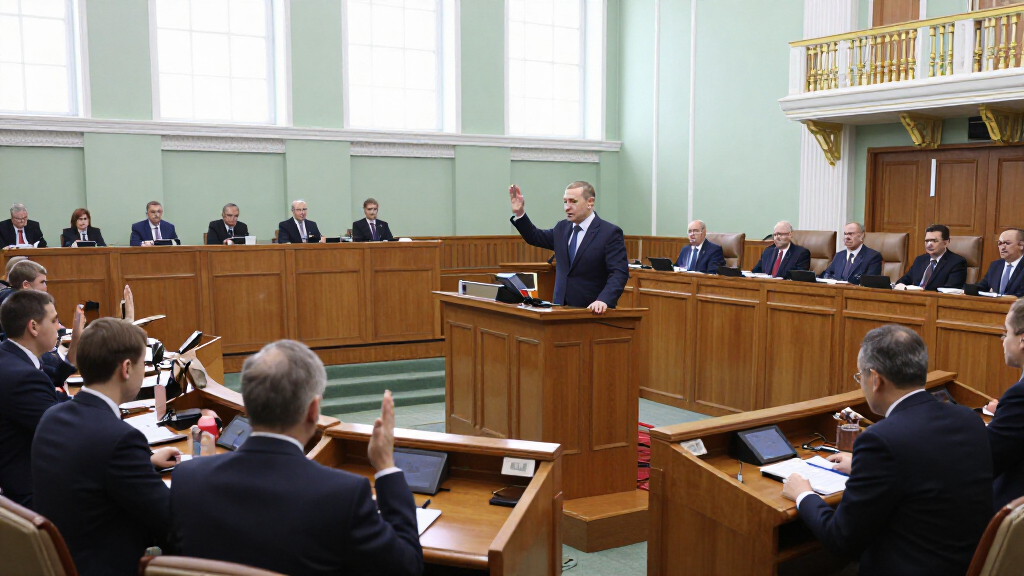
Vyacheslav Volodin has been elected speaker of Russia’s State Duma for a third time, surpassing the previous record of two terms held by Boris Gryzlov. Volodin opened the new parliament’s first session with a warning about internal divisions and weak leadership, as his return to the post also reflected the Kremlin’s handling of United Russia’s leadership and the exclusion of former president Dmitry Medvedev from the party’s national candidate list, according to a report by Meduza.
Volodin’s third term makes him the longest-serving speaker of the lower house by number of terms. Gryzlov served during the fourth and fifth parliamentary terms; Volodin has now been chosen to lead the chamber for a third. The report does not provide the vote tally or identify whether the speaker’s selection faced opposition inside the Duma.
At the opening session, Volodin told lawmakers: “History shows that our country cannot be defeated from the outside.” He argued that the country’s problems come from within, listing conflict, elite betrayal and weak leadership, and urged legislators not to “lose our country.” The remarks set a national-security and political-discipline tone for the new parliament.
Meduza reports that Medvedev was left off United Russia’s national candidate list, removing a potential route to the speakership. Kremlin-friendly media had speculated that he might head the party’s top three or top five candidates. Meduza’s sources said Medvedev himself had lobbied for such a position, but that Putin had not approved it. The outlet also reported that the Kremlin’s domestic policy team worried Medvedev’s role in the campaign could further weaken United Russia’s already low approval ratings.
Volodin’s Hold on the Duma
The third term places Volodin at the head of the State Duma as it begins a new parliamentary period, extending the influence of a politician whose career has been closely tied to United Russia and the presidential administration. The speakership gives him a prominent role in managing the chamber’s work and presenting its public message, though the supplied reporting does not detail any new powers attached to his re-election.
The decision also matters for the balance among senior figures in the ruling party. Medvedev’s absence from the party list meant he did not take the route that had been discussed publicly as a possible path to the speakership. Meduza describes Volodin and the Kremlin’s domestic policy team as beneficiaries of that outcome. That is the outlet’s assessment, not a statement from the Kremlin about its motives.
Volodin’s opening address offers a public signal of the themes he intends to emphasize: internal unity, loyalty and political stability. His comments do not by themselves establish how the Duma will act on those themes, or what legislation it will prioritize. They do show how he framed the country’s challenges as lawmakers began their new term.
As an affiliate, we earn on qualifying purchases.
From Saratov to the Speakership
Volodin entered politics in Saratov. In 1990, at age 26, he won a seat on the city council as an independent, after earning a doctorate in agricultural sciences. He later worked in the city administration, became deputy governor of the Saratov region and moved to Moscow after a falling-out with Governor Dmitry Ayatskov, according to Meduza’s account.
In Moscow, Volodin worked with the Fatherland movement, which joined the All Russia bloc before the 1999 State Duma election. The bloc finished behind the Communists and the Kremlin-backed Unity bloc. Fatherland later allied with Unity, and the organizations merged into United Russia in 2003. Volodin told Kommersant at the time: “Our three organizations supported the president. His last name is Putin.”
Volodin rose through United Russia’s ranks and became secretary of its General Council in 2005. He helped organize the party’s 2007 election campaign, when Putin headed its candidate list. Sources cited by Meduza said the campaign brought Volodin to Putin’s attention. He later served in the executive branch before becoming Duma speaker. This history helps explain his access to party and government networks, but it does not independently establish why he was selected for this third term.
““History shows that our country cannot be defeated from the outside. All our problems come from within: conflict, betrayal by the elites, weak leadership.””
— Vyacheslav Volodin, opening the new State Duma’s first session
Unanswered Questions About the Selection
The source material does not give the Duma vote count, describe other candidates for speaker, or report whether lawmakers publicly challenged Volodin’s re-election. It also does not include an official Kremlin explanation for why Medvedev was left off United Russia’s national list or a direct statement from Putin about the speakership.
Accounts of Medvedev’s lobbying and the domestic policy team’s concerns come from sources cited by Meduza. The report says Putin had not approved the proposed list position; it does not establish the full internal decision-making process or show that Medvedev would certainly have become speaker if he had been included. The supplied material also does not set out the new Duma’s legislative agenda or clarify what priorities Volodin will pursue during his third term.
The New Duma’s First Work
The State Duma has begun its new term, with Volodin presiding as speaker. The next indications of how his third term will operate will come from the chamber’s early proceedings, including its legislative agenda and the priorities lawmakers take up. The source material does not specify a date for a particular bill, session or policy announcement.
Further reporting may clarify the internal selection process and the role of party and Kremlin officials in Volodin’s return. For now, the confirmed development is his third election as speaker and the start of the new Duma’s work; explanations of the political calculations behind the choice should remain attributed to Meduza and its sources.
Key Questions
What happened to Vyacheslav Volodin?
Volodin was elected speaker of Russia’s State Duma for a third term, surpassing the record of two terms held by Boris Gryzlov.
Why is this described as a record?
Gryzlov served as speaker during two parliamentary terms. Volodin has now been chosen three times, making his tenure the record by number of terms, according to the report.
Did Dmitry Medvedev seek the speakership?
Meduza’s sources said Medvedev lobbied to head United Russia’s national candidate list. The outlet reported that he was not included and that Putin had not approved the proposed arrangement. The supplied material does not establish that Medvedev would have become speaker if he had been on the list.
What did Volodin say at the new parliament’s opening?
He said Russia could not be defeated from outside and identified internal conflict, elite betrayal and weak leadership as sources of danger. He urged lawmakers not to “lose our country.”
What is still unknown about the decision?
The report does not provide the speaker election’s vote tally, name any challengers or give an official Kremlin explanation of the choice. The full internal process behind Medvedev’s exclusion and Volodin’s re-election remains unclear.
Source: rss
Fall Picks
fall essentials
As an affiliate, we earn on qualifying purchases.