

Through TikTok clips, you see real stories of people deported after years in the U.S. sharing their emotional struggles, social challenges, and hopes for rebuilding. You witness journeys marked by feelings of loss, alienation, and resilience as they navigate unfamiliar environments and social stigma. These videos give a human face to immigration policies and show how individuals endeavor to adapt despite hardships. Keep exploring to understand more about their powerful experiences beyond the surface.
Key Takeaways
- TikTok videos reveal deportees’ emotional struggles, including feelings of loss, frustration, and hope during reintegration.
- Content highlights the social stigma and community challenges faced after returning to their home countries.
- Clips showcase the difficulties in finding stable employment and rebuilding lives post-deportation.
- Personal stories shared on TikTok foster awareness of the long-term emotional and social impacts of deportation.
- Visual storytelling emphasizes resilience and the human side of deportation experiences beyond policy debates.

What happens to individuals once they are deported from the United States? For many, the journey doesn’t end at the border. Instead, it marks a new chapter filled with uncertainty, challenges, and a deep sense of disconnection. When you’re deported, you’re often flown back to countries like Mexico or Guatemala, sometimes on military aircraft, amid heightened political sensitivities. These flights aren’t just logistical moves—they carry emotional weight, especially when some deportees are not even from those countries. Once on the ground, you might face unfamiliar surroundings, language barriers, and the struggle to rebuild your life from scratch.
Deportation often involves emotional flights and unfamiliar struggles upon return.
Deportees often find themselves caught between two worlds. Many have spent years in the U.S., establishing lives, families, and careers. Now, they’re thrust into environments where they may face social stigma and limited support. The community you once belonged to might now view you through a lens of suspicion or shame. For those with mixed legal statuses, the *shift* is even harder—some may have had legal pathways to stay, but deportation overrides those options. The emotional toll is compounded by the fear of being separated from loved ones, especially if your family remains in the U.S. Despite your efforts to start anew, feelings of loss and alienation tend to linger. Additionally, the high unemployment rates faced by many deportees can make reintegration even more challenging.
Your daily life after deportation can be a rollercoaster. Finding stable employment is often difficult, especially if you face language barriers or lack official documentation in your home country. You might experience financial instability, which impacts your ability to access healthcare, housing, and basic needs. Studies show that many deportees face high unemployment rates and struggle to reintegrate into their communities. You might experience feelings of hopelessness or frustration as you try to navigate a system that wasn’t built for your return. You may also become part of a community of fellow deportees, sharing stories of hardship and resilience on social platforms like TikTok.
Social media, especially TikTok, has become a space where deportees share their stories visually. Clips reveal the emotional struggles—tears, frustrations, moments of hope—and everyday realities. These videos serve as powerful testimony to the human side of immigration policies. They show how deportation isn’t just a policy issue; it’s a deeply personal experience that shapes lives long after the border. You see people trying to adapt, rebuild, and find their place again. Despite the adversity, many remain resilient, using these platforms to connect, advocate, and shed light on the ongoing human impact of deportation.

Ulecoce Fingerprint Keypad Deadbolt with Handle Set, Keyless Entry Door Lock, Door Locks for Front Door Lock Set, App Control, Auto Locking, Easy to Install, Matte Black
Latest Instruction Manual: The latest version is now available on the product page. Please review it before installation...
As an affiliate, we earn on qualifying purchases.
Frequently Asked Questions
How Do Deportees Find Community Support Abroad?
You find community support abroad by connecting through social media platforms like TikTok, where deportees share experiences, offer advice, and build peer networks. You can also seek help from local immigrant advocacy groups, NGOs, and diaspora organizations that provide legal, employment, and mental health resources. Mutual aid networks help with housing or remittances, and participating in cultural or community events helps rebuild social ties and reduce isolation.
What Legal Challenges Do Deportees Face in New Countries?
Imagine stepping into a maze where each wall is a different country’s law. You face legal challenges like uncertain re-entry rules, complex paperwork, and unfamiliar court systems. Sometimes, agreements between countries act like locked doors, blocking your way. You must navigate these unfamiliar legal corridors, often with limited guidance, making it hard to settle or find protection. Every step demands resilience and understanding of new legal landscapes to avoid dead ends.
How Do Deportees Rebuild Their Identities After Returning?
You rebuild your identity by reconciling your past experiences with your current environment. You may adopt mixed or hybrid identities, blending elements from your country of origin and your new surroundings. This process involves maneuvering cultural expectations, overcoming social stigma, and finding belonging within communities. Through support networks and personal resilience, you gradually redefine who you are, embracing your complex background and forging a sense of home despite the challenges.
What Employment Opportunities Are Available to Deportees?
You find that employment opportunities for deportees are limited due to legal restrictions, language barriers, and lack of recognized qualifications. Many turn to informal work like day labor or start small businesses using skills from abroad. Some leverage migrant networks and community support to establish microenterprises or engage in local services. However, economic challenges at home and restricted legal pathways often impede stable, well-paying employment options.
How Do Families Stay Connected Across Borders?
You stay connected across borders by using digital tools like video calls, messaging apps, and social media platforms such as TikTok, Facebook, and Instagram. These tools allow you to share updates, express emotions, and maintain bonds despite physical separation. You coordinate time zones, manage limited resources, and use digital storytelling to celebrate milestones and preserve cultural ties. This ongoing virtual contact helps reduce feelings of isolation and strengthens family relationships.

TP-Link Deco 7 Pro BE14000 Tri-Band Wi-Fi 7 Whole Home Mesh System | 8-Stream 14 Gbps | 10 Gbps WAN/LAN Port | Up to 8100 Sq.ft, 200 Devices Capacity | 320 MHz, HomeShield, AI-Roaming (BE67 2-Pack)
𝐍𝐞𝐱𝐭-𝐆𝐞𝐧 𝐖𝐢-𝐅𝐢 𝟕 𝐰𝐢𝐭𝐡 𝟖-𝐒𝐭𝐫𝐞𝐚𝐦 𝐓𝐫𝐢-𝐁𝐚𝐧𝐝 𝐮𝐩 𝐭𝐨 𝟏𝟒 𝐆𝐛𝐩𝐬 - Deco 7 Pro BE67 delivers smooth 4K/8K...
As an affiliate, we earn on qualifying purchases.
Conclusion
You might not realize it, but over 60% of deported individuals face challenges rebuilding their lives, often feeling disconnected from their roots. Watching TikTok clips reveals their resilience and hope, showing that life after deportation isn’t just about loss—it’s about adaptation and strength. Remember, these stories remind us of the human spirit’s ability to persevere, even in the face of tough circumstances. Their journeys inspire us to foster understanding and compassion.
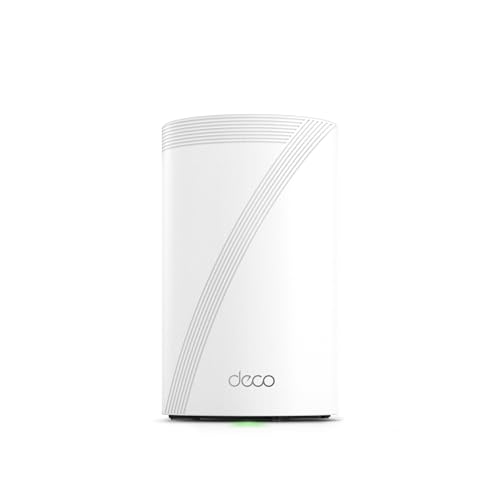
TP-Link Deco 7 Pro BE63 Tri-Band WiFi 7 BE10000 Whole Home Mesh System- 6-Stream 10 Gbps, 4X 2.5G Ports Wired Backhaul, 4X Smart Internal Antennas, VPN, HomeShield, Free Expert Support (1-Pack)
𝗦𝘂𝗽𝗲𝗿𝗰𝗵𝗮𝗿𝗴𝗲𝗱 𝐃𝐞𝐜𝐨 𝟕 𝐏𝐫𝐨 𝗕𝗘𝟭𝟬𝟬𝟬𝟬 𝗧𝗿𝗶-𝗕𝗮𝗻𝗱 𝗪𝗶-𝗙𝗶 𝟳 𝗦𝗽𝗲𝗲𝗱𝘀: Features cutting-edge Wi-Fi 7 technology, including Multi-Link Operation, Multi-RUs,...
As an affiliate, we earn on qualifying purchases.

TP-Link Deco 7 BE25 Dual-Band BE5000 WiFi 7 Mesh Wi-Fi System | 4-Stream 5 Gbps, 240 Mhz | Covers up to 6,600 Sq.Ft | 2X 2.5G Ports Wired Backhaul | VPN,MLO, AI-Roaming, HomeShield, 3-Pack
𝐃𝐞𝐜𝐨 𝟕 𝐒𝐮𝐩𝐞𝐫𝐜𝐡𝐚𝐫𝐠𝐞𝐝 𝐰𝐢𝐭𝐡 𝟒-𝐒𝐭𝐫𝐞𝐚𝐦 𝐁𝐄𝟓𝟎𝟎𝟎 𝐃𝐮𝐚𝐥-𝐁𝐚𝐧𝐝 𝐖𝐢𝐅𝐢 𝟕 - Achieve full speeds of up to 4324 Mbps...
As an affiliate, we earn on qualifying purchases.