
TL;DR

Get everyday essentials delivered free with Prime
- Fast, free delivery on millions of items
- Prime Video, Amazon Music and more included
- Member-only deals all year
Lockheed Skunk Works has successfully unified Guam’s missile defense network into a single command and control system. This development aims to improve regional missile defense capabilities amid increasing security concerns. The project is confirmed and currently operational, with further enhancements expected.
Lockheed Martin’s Skunk Works division has completed the integration of Guam’s missile defense systems into a single, unified command and control network. This development consolidates multiple missile defense assets into one operational system, significantly enhancing regional security and response capabilities. The project, confirmed by officials, is now fully operational and aims to improve missile defense coordination in the Pacific region.
According to Lockheed Martin, Skunk Works has successfully unified Guam’s missile defense network into a single command and control system. This integration connects existing missile defense assets, including radars, interceptors, and communication systems, into a cohesive network designed to improve response times and coordination. The project was completed in late 2023 and has been tested in recent exercises, demonstrating its operational readiness. Officials from Lockheed Martin and U.S. military sources confirmed the system’s deployment, which is part of broader efforts to enhance missile defense in the Indo-Pacific region amid rising regional tensions.The unified system replaces older, fragmented command structures, allowing for real-time data sharing and faster decision-making. It is designed to integrate with existing regional defense frameworks and is expected to serve as a model for future missile defense upgrades in the area. The project was part of a broader modernization initiative supported by U.S. defense authorities to bolster regional security against potential missile threats.Details about the specific technical components of the system remain classified, but sources indicate that the integration leverages advanced sensors and communication links developed by Lockheed Martin’s Skunk Works division, known for high-security, cutting-edge aerospace technology.Implications for Regional Missile Defense Coordination
This development marks a significant step forward in regional missile defense for the U.S. and its allies in the Indo-Pacific. By unifying Guam’s missile defense assets into a single command system, the U.S. enhances its ability to detect, track, and intercept missile threats more quickly and effectively. The integration reduces response times and improves situational awareness, which are critical in countering potential adversaries’ missile capabilities. It also sets a precedent for future upgrades across other regional systems, potentially leading to a more cohesive and resilient missile defense posture in the Pacific.
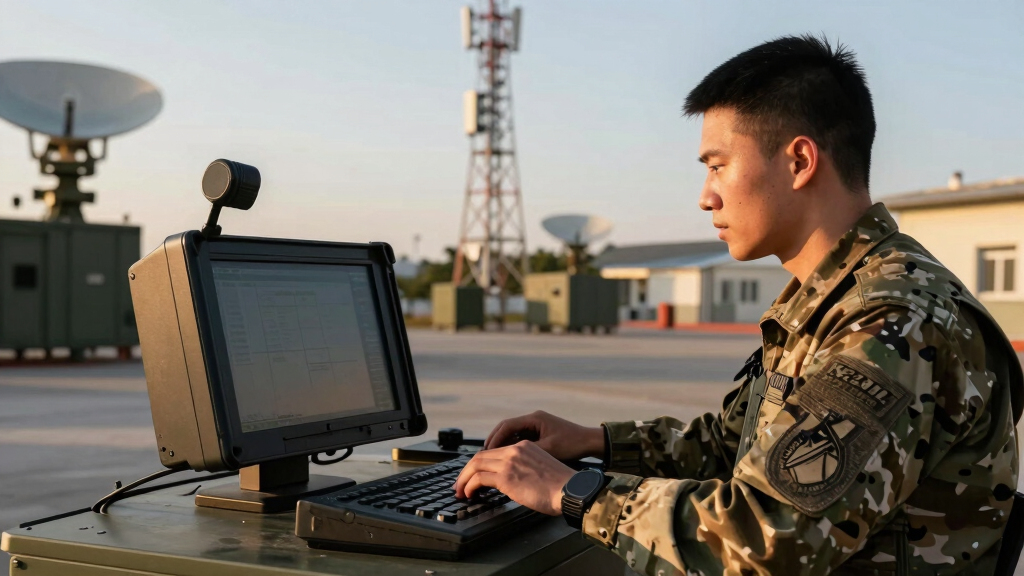
radar system for missile detection
As an affiliate, we earn on qualifying purchases.
As an affiliate, we earn on qualifying purchases.
Guam’s Strategic Role and Defense Modernization Efforts
Guam has long been a strategic U.S. military hub in the Pacific, hosting key missile defense and naval assets. Over recent years, the U.S. has prioritized modernizing its regional missile defense infrastructure in response to increasing missile threats from North Korea, China, and other regional actors. Previous efforts included deploying advanced radars and interceptors, but these systems operated largely independently.
The recent integration by Lockheed Martin’s Skunk Works represents a major upgrade, consolidating multiple systems into a unified network. This move aligns with broader U.S. defense strategies to improve regional missile defense coordination and readiness, particularly as tensions in the Indo-Pacific continue to rise.
“The successful integration of Guam’s missile defense systems into a unified command and control network represents a significant milestone in regional security.”
— Lockheed Martin spokesperson
Details on System Capabilities and Future Upgrades
While the integration is confirmed and operational, specific technical details about the system’s capabilities remain classified. It is unclear whether further enhancements or additional regional assets will be integrated in the near future. The full scope of the system’s operational testing and its performance under real-world conditions has not been publicly disclosed, and some aspects of the technology are believed to be highly sensitive.
Next Steps for Guam’s Missile Defense Network
Following deployment, the focus will shift to ongoing testing, maintenance, and potential expansion of the system’s capabilities. U.S. defense officials have indicated that regional exercises will continue to validate the network’s operational readiness. Additionally, discussions about extending similar integrations to other strategic locations in the Indo-Pacific are expected to be explored in the coming months.
Key Questions
What does the unification of Guam’s missile defense network involve?
It involves integrating multiple missile defense assets, such as radars, interceptors, and communication systems, into a single command and control system to improve coordination and response times.
Why is this development significant for regional security?
It enhances the ability of U.S. and allied forces to detect, track, and intercept missile threats more quickly, improving regional deterrence and defense capabilities amid rising tensions in the Indo-Pacific.
Are there plans to expand this system to other locations?
While specific plans have not been publicly announced, U.S. defense officials have indicated that similar integrations could be considered for other strategic sites in the Indo-Pacific region.
When was the system completed and made operational?
The integration was completed in late 2023 and has been confirmed to be operational as of early 2024.
What technical details are publicly available about the system?
Most technical specifics remain classified, but it is known that the system uses advanced sensors and communication links developed by Lockheed Martin’s Skunk Works division.
Source: google-trends
Fall Picks
fall essentials
As an affiliate, we earn on qualifying purchases.