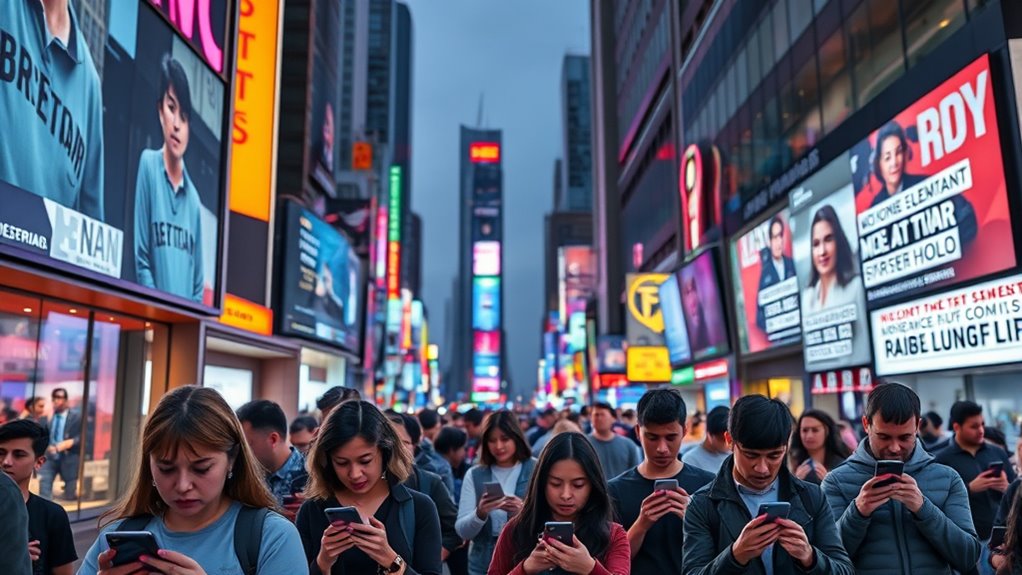

In 2025, misinformation and disinformation are major global threats that can erode trust, spark conflicts, and disrupt societies. They spread rapidly through social media, often using AI to create convincing fake content. To spot false info, check sources carefully, look for inconsistencies, and stay skeptical of sensational claims. Building critical thinking skills and awareness helps protect you from manipulation. If you continue exploring, you’ll discover more ways to identify and combat these risks effectively.
Key Takeaways
- Misinformation and disinformation threaten societal trust, political stability, and public health, ranking as top global risks for 2025.
- AI-driven fake content, like deepfakes, makes spotting false information more challenging and widespread.
- Recognizing misinformation involves verifying sources, cross-checking facts, and developing critical thinking skills.
- Media literacy campaigns and fact-checking services are essential strategies to identify and combat false info.
- International cooperation and technological tools are vital to effectively detect and mitigate misinformation globally.
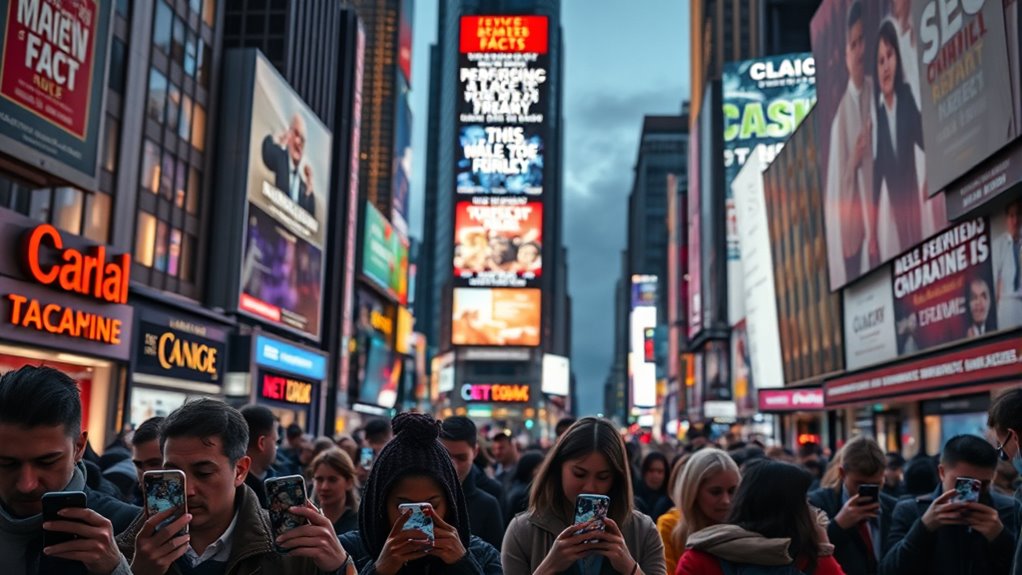
Have you ever wondered how false information spreads so quickly and convincingly? It’s a phenomenon that’s become a major concern worldwide, especially as we head into 2025. Misinformation involves false or inaccurate facts, often shared without malicious intent, while disinformation is deliberately crafted to deceive. Both pose serious threats because they erode public trust in government, media, and institutions, making it harder for societies to function effectively. When misinformation spreads, it can influence voter decisions and sow doubt in conflict zones, fueling instability and unrest. Technological advances, especially AI-generated deep fakes, make it easier than ever to produce convincing fake content, intensifying the challenge of distinguishing truth from falsehood.
False information spreads rapidly, fueled by AI and social media, threatening trust and stability worldwide.
The global community recognizes misinformation and disinformation as the top short-term risks for 2025. According to the World Economic Forum’s report, these risks surpass even extreme weather events in urgency, reflecting their potential to worsen societal divisions and create chaos. Experts warn that if left unchecked, these issues will compound with environmental and technological challenges in the coming years, further destabilizing the world. Social media platforms, once designed to connect us, now often serve as breeding grounds for false narratives. The decline of third-party fact-checking, such as Meta’s decision to end these services, only increases vulnerability. AI-driven content makes it easier to generate convincing fake news, deepening the spread of misinformation. Rising geopolitical tensions also play a role, as disinformation becomes a tool to manipulate public opinion and influence conflicts. Many people are more susceptible now due to societal divides and a lack of critical thinking skills, making it harder to spot falsehoods.
The consequences are wide-ranging. When misinformation infiltrates public discourse, it erodes trust in institutions, fueling suspicion and polarization. In conflict zones, false narratives escalate tensions, sometimes leading to violence. Economically, misinformation can disrupt markets, damage businesses, and undermine consumer confidence. False health information, especially during crises, can lead to dangerous behaviors and public health crises. Society becomes more fragmented as divisions deepen, making cooperation and collective action increasingly difficult. Combating this threat requires multiple strategies. Promoting media literacy and critical thinking helps people recognize and question false information. Independent fact-checking and stricter regulations on platforms are essential. Raising public awareness about misinformation’s dangers and fostering international cooperation are also crucial steps. Research supports media literacy as a key component in empowering individuals to critically evaluate information sources. Additionally, understanding the role of technological advances can help develop more effective tools to combat false content. Incorporating AI security measures can further enhance detection and response efforts to curb misinformation spread.
Ultimately, understanding how to identify misinformation and disinformation, staying vigilant online, and supporting efforts to improve media literacy are essential. As this challenge intensifies, your role in discerning truth from falsehood becomes more critical than ever to safeguard society’s stability and integrity.
Frequently Asked Questions
How Does Misinformation Differ From Disinformation?
You want to understand how misinformation differs from disinformation. Misinformation is false info shared without trying to deceive, often out of ignorance or mistake. Disinformation, however, is deliberately crafted to mislead or harm. While both can spread false facts, disinformation is more malicious and persistent, often impersonating credible sources or using fabricated content. Recognizing these differences helps you evaluate information critically and avoid falling for deceptive content.
What Are Common Sources of Online Misinformation?
Can you picture where false information originates? You might find social media platforms where billions share content, often without fact-checking. Political agendas, deepfake technology, and automated bots also play a role, spreading misinformation rapidly. Human errors, like accidental sharing, contribute too. These sources create a whirlwind of falsehoods that reach wide audiences fast, making it tough to distinguish truth from fiction. Are you aware of these common origins?
Can AI Be Used to Combat Misinformation?
Yes, AI can help you combat misinformation effectively. It uses advanced tools like machine learning and transformer models to detect fake news quickly, often in under two seconds. AI analyzes patterns, assesses trustworthiness, and provides real-time alerts. By collaborating with fact-checkers and social media platforms, AI enhances your ability to identify false information, making it easier for you to stay informed and protect yourself from misleading content.
How Do Algorithms Influence the Spread of False Information?
Imagine scrolling through your social feed and seeing only opinions that match your beliefs. That’s how algorithms influence misinformation—they prioritize content based on engagement, creating echo chambers. They amplify false stories that generate strong reactions, making them spread rapidly. By filtering out opposing views, algorithms limit diverse perspectives. This reinforcement can lead to radicalization, showing how algorithmic bias markedly shapes the flow and impact of false information online.
What Role Do Governments Play in Regulating Misinformation?
You see, governments play a complex role in regulating misinformation. They often try to balance protecting free speech with preventing false information, especially around elections. Some agencies monitor and counter disinformation, while political groups push to weaken these efforts. Policies can involve collaborating with social media platforms, imposing legal restrictions, or demanding data sharing. However, these actions can be influenced by politics, affecting how effectively misinformation is managed.
Conclusion
As you navigate the digital world, remember that misinformation and disinformation are more than just buzzwords—they’re emerging threats that could shape your future. Will you be able to spot the truth before it’s too late? Stay vigilant, question what you see, and trust your instincts. The battle for truth isn’t over yet, and the next move could change everything. Are you prepared to face what’s coming in 2025? The answer might surprise you.