

To succeed in TV, you need more than just talent—you should master physical expressiveness, including movement, fight choreography, and spatial awareness, to bring your characters convincingly to life. Developing strong vocal skills such as projection, pitch control, and breath management is essential for clear and versatile delivery. Additionally, honing script analysis, emotional authenticity, and industry skills like audition techniques and networking will set you apart. Keep exploring these crucial tools to elevate your acting career further.
Key Takeaways
- Master physical expressiveness and body language to convincingly embody diverse TV characters.
- Develop vocal control, including projection and pitch variation, for versatile on-screen delivery.
- Analyze scripts deeply and explore character motivations for authentic performances.
- Build emotional intelligence and resilience to authentically portray complex feelings.
- Hone industry skills like audition techniques, networking, and personal branding for career advancement.

Every actor needs a well-rounded toolkit to succeed in their craft. While talent is the foundation, developing a diverse set of skills elevates your performances and opens doors to more opportunities. Physical expressiveness is essential; mastering body language and movement helps you embody characters convincingly. Whether it’s adopting specific physical traits or executing fight choreography, your ability to move and convey emotion through your body adds depth to your acting. Vocal control also plays a fundamental role. You should learn to project your voice clearly and adjust pitch to fit different characters or scenes. Regular vocal warm-ups and breath control exercises keep your voice healthy and allow you to sustain performances over long periods.
Master body language and vocal control to elevate your acting and bring authenticity to every role.
Understanding your script is foundational. Analyzing scripts deeply, breaking down key story elements, and exploring character motivations enable you to develop authentic, emotionally rich portrayals. Rehearsal techniques like consistent practice and character development sessions help solidify your performance and boost confidence. You must also research and seek inspiration from various sources, enriching your understanding and bringing fresh perspectives to your roles. Collaborating closely with directors ensures your interpretation aligns with the overall vision, making your performance cohesive and compelling.
Emotional authenticity is indispensable for believable acting. You need to understand your character’s motivations and emotional arcs, allowing you to portray genuine feelings. Tapping into personal emotional memory can enhance authenticity, but it’s equally important to manage emotional release safely after performances. Developing emotional intelligence helps you navigate complex feelings and portray nuanced characters convincingly. Additionally, studying performance techniques can provide valuable methods to deepen your emotional range and expressiveness. Incorporating physical movement training, such as dance or yoga, can further improve body awareness and physical expressiveness, helping you embody your characters more dynamically. Cultivating emotional resilience also enables actors to handle the emotional demands of challenging roles more effectively.
Vocal techniques extend beyond projection. Altering pitch, controlling breath, and maintaining vocal longevity are skills that support sustained performances. Voice training helps you adapt to different environments, from intimate scenes to large stages, ensuring your voice remains clear and expressive.
Physicality and movement training, such as dance or yoga, improve your flexibility, spatial awareness, and overall physical expressiveness. This allows you to embody characters more convincingly and execute action scenes safely. Understanding spatial relationships and movement in relation to the camera or stage helps you stay present and precise during performances. Incorporating high-quality training tools can further refine your physical skills and movement techniques.
Lastly, marketing, branding, audition prep, and networking are key components of a successful TV career. Developing these skills ensures you’re prepared for opportunities, can present yourself confidently, and build lasting industry relationships. Combining all these elements creates a well-rounded toolkit that transforms raw talent into a sustainable, thriving acting career.
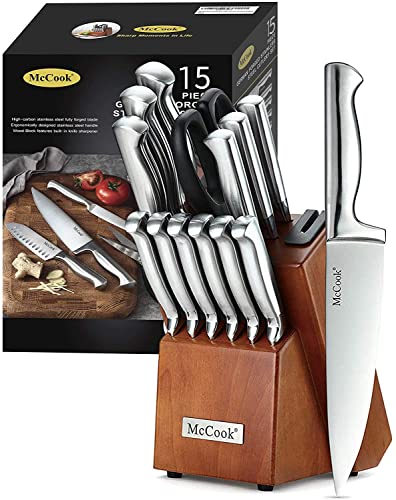
McCook® Knife Sets, German Stainless Steel Kitchen Knife Block Sets with Built-in Sharpener
【Exclusive Built-in Sharpener】Kitchen knife set with sharpener is amazing. The self-sharpening block keeps the knives razor sharp effectively....
As an affiliate, we earn on qualifying purchases.
Frequently Asked Questions
How Can Actors Improve Their On-Set Professionalism?
To improve your on-set professionalism, prioritize punctuality and maintain a positive attitude. Respect your colleagues and communicate clearly with the director and crew. Stay adaptable to last-minute changes and handle unexpected issues calmly. Manage stress with techniques like meditation, and focus on your physical and mental health. Building trust through professional conduct and networking will also boost your reputation and open doors to future opportunities.
What Networking Strategies Are Most Effective for TV Actors?
You should attend industry events like festivals, premieres, and award shows to build your network. Use social media actively—follow, comment, and message industry professionals—to stay visible and connected. Collaborate on indie projects to deepen relationships and showcase your talent. Prepare a sharp elevator pitch, carry business cards, and engage authentically at every opportunity. Consistent effort and genuine interactions will open doors and grow your TV career network.
How Do Actors Handle Rejection and Maintain Motivation?
Rejection is like rain—inevitable and ever-present. You handle it by viewing each setback as a stepping stone, not a reflection of your worth. Keep your spirits rooted in persistence, celebrate small wins, and remember even stars faced storms before shining. Develop emotional resilience, seek support, and stay focused on growth. With this mindset, rejection becomes fuel that ignites your journey rather than extinguishes your fire.
What Are Key Time Management Tips for Busy Actors?
You need to prioritize tasks based on deadlines and importance, creating a structured schedule that keeps you on track. Use your commute or downtime for script review or practice, and break work into focused sprints to boost efficiency. Be flexible when unexpected opportunities arise, and don’t forget to schedule rest to prevent burnout. Focus on high-priority activities, minimize distractions, and keep your goals clear to stay productive.
How Can Actors Build Resilience During Career Setbacks?
Building resilience during career setbacks begins with embracing endurance, empowering your emotional strength, and engaging in growth. You should focus on fostering a positive perspective, practicing patience, and planning proactive steps forward. Connecting with a supportive network, continuously sharpening skills, and staying flexible help you face failures with confidence. Remember, setbacks serve as stepping stones—staying steadfast and resilient turns challenges into opportunities for personal and professional progress.

KATISUN 16 Pieces Kitchen Knife Block Set with Cutting Board, German Stainless Steel Knife Set with Sharpener, Dishwasher Safe, Anti-Slip Handle, 6 Steak Knives, Black
SECURE OVER-MOLDED TECHNOLOGY - Forget the frustration of handles sliding off mid-slice. Unlike traditional "knock-in" designs where blades...
As an affiliate, we earn on qualifying purchases.
Conclusion
Remember, your talent gets you in the door, but it’s these essential skills—like adaptability, emotional intelligence, and resilience—that keep you in the game. Just like a sudden script rewrite, life throws surprises your way. By honing these tools, you’ll find yourself not only surviving but thriving in the unpredictable world of TV. So stay prepared, stay curious, and watch how opportunities unexpectedly align when you least expect it. Your success is just around the corner.

Knife Set, EWFEN 14-Piece Kitchen Knife Set with Block, German Stainless Steel Knives with Built-in Knife Sharpener, Anti-Slip Sharp Knives Set for Kitchen, Dishwasher Safe, Concave-dotted Handle
VALUED SET: This 15-piece all-in-one restaurant-grade precision knife set Includes tools for every cutting task: 8" chef's knife,...
As an affiliate, we earn on qualifying purchases.

Knife Set, Astercook 15 Pieces Knife Sets for Kitchen with Block, Dishwasher Safe Kitchen Knife Set with Built in Sharpener Block, German Stainless Steel Knife Block Set, Valentine's Gift
【15 Pieces Multipurpose Knife Set】 15 pieces knife set includes: 8" Chef knife, 8" Slicing knife, 7" Santoku...
As an affiliate, we earn on qualifying purchases.