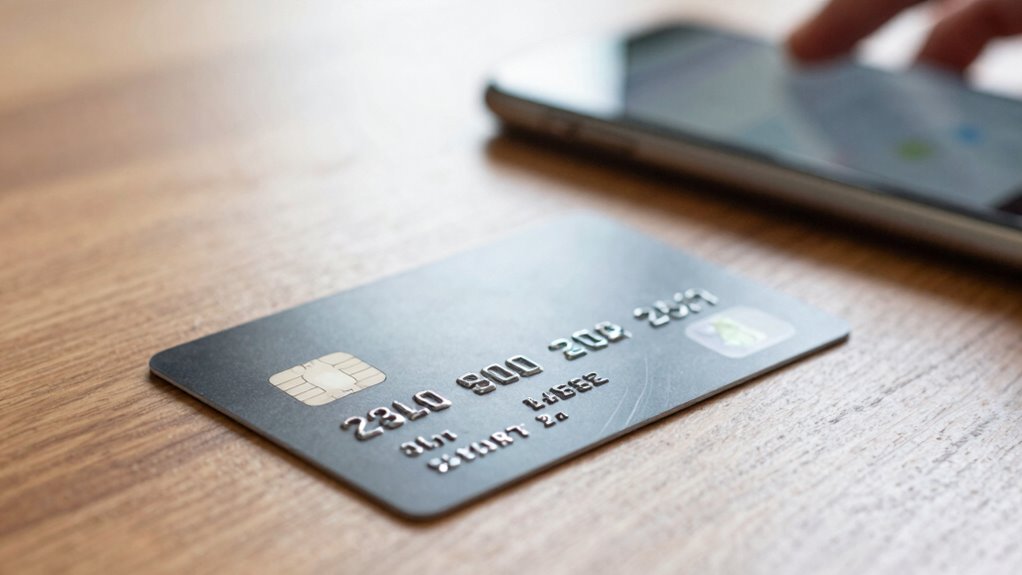

Many credit card users miss out on valuable protections that can help you save money, resolve disputes, and keep your finances secure. Features like fraud monitoring, zero-liability policies, and dispute resolution often go unused, leaving you vulnerable. By activating these benefits and staying aware of your card’s protections, you can maximize your security and savings. If you want to discover how to unveil these hidden advantages, keep exploring what your credit card can do for you.
Key Takeaways
- Many cardholders overlook or don’t activate protections like fraud monitoring and zero-liability policies, risking financial loss.
- Dispute resolution features help reverse unauthorized charges or defective items, often underutilized by consumers.
- Keeping detailed transaction records and reading card benefits ensures quick, effective use of protections when needed.
- Cashback rewards and benefits are frequently missed opportunities without active management of eligible programs.
- Regularly reviewing and understanding your credit card’s protections enhances financial safety and maximizes benefits.

When you use a credit card for purchases, you gain access to valuable protections that can help you avoid losses from fraud, billing errors, or defective products. Many cardholders overlook these benefits, but understanding them can save you time, money, and stress. One of the most important protections is fraud prevention. Credit cards often come with robust security measures, such as EMV chips, fraud monitoring systems, and zero-liability policies. If someone tries to make unauthorized charges on your account, your credit card issuer typically steps in to investigate and often refunds the disputed amount. This reduces your financial risk considerably compared to using cash or debit cards, which might leave you more vulnerable to theft and less protected against fraudulent charges.
Another often underutilized benefit is cashback rewards. Many credit cards offer cashback programs that give you a percentage of your spending back as cash, statement credits, or gift cards. While some people focus solely on earning points or miles, cashback rewards provide straightforward savings that directly reduce your purchase costs. By using the right card for your everyday expenses—such as groceries, gas, or dining—you can maximize these rewards without extra effort. Plus, cashback offers can sometimes come with additional perks, like sign-up bonuses or rotating categories, which boost your savings even further. If you’re not actively choosing a cashback card or reviewing your rewards program, you might be missing out on easy savings that could add up over time.
Maximize your savings with cashback rewards on everyday purchases like groceries, gas, and dining.
Beyond fraud prevention and cashback rewards, credit cards also provide dispute resolution processes for billing errors or defective products. If you buy an item that arrives damaged or not as described, your credit card issuer can often step in to reverse charges or facilitate refunds. This can be especially useful for online shopping, where you might not have the chance to inspect items before payment. Knowing you have this protection encourages more confident purchasing, especially from unfamiliar vendors. Additionally, understanding the horsepower of electric dirt bikes can help you make safer, more informed decisions about vehicle performance and suitability for your needs.
However, many cardholders are unaware of these protections or don’t take full advantage of them. Some avoid reading the fine print or neglect to register their purchases properly. To get the most out of your credit card protections, make sure to review your card’s benefits, activate any relevant features, and keep records of your transactions. Doing so allows you to leverage fraud prevention tools, claim cashback rewards, and dispute issues quickly and effectively. In the end, these protections aren’t just extras—they’re a smart way to safeguard your finances and make every dollar work harder for you.
Frequently Asked Questions
How Do I File a Credit Card Purchase Protection Claim?
To file a credit card purchase protection claim, start by contacting your credit card issuer’s customer service promptly. Provide details about the fraudulent charges or the need for a warranty extension, along with any supporting documentation like receipts or correspondence. They’ll guide you through the process, help dispute fraudulent charges, and guarantee your warranty benefits are applied. Acting quickly increases your chances of a successful claim and getting your money back.
What Transactions Are Eligible for Purchase Protection?
Imagine holding a fragile glass ornament, ready to shatter—your eligible transactions are like that ornament, protected when you buy items like electronics, appliances, or jewelry. Purchase protection often covers these purchases if they’re damaged, stolen, or lost within a specific period. It also extends warranties and helps resolve merchant disputes. Keep receipts and documentation handy, and you’ll be prepared to claim protection when unexpected issues arise.
Are There Any Fees for Using Purchase Protections?
No, you typically won’t face transaction fees for using purchase protections. However, it’s important to check your credit card’s specific coverage limits, as they can vary. Some cards offer more extensive protection, while others may have restrictions. Always review your card’s terms to understand any potential fees or limits, so you can maximize the benefits without unexpected costs.
How Long Does It Take to Get a Resolution?
The dispute process duration varies, but typically, you can expect a claim timeline of about 30 to 90 days. Once you file a claim, your credit card issuer investigates your case, and you should stay in contact for updates. Timely submission and providing all necessary documentation help speed up the resolution, ensuring you get a quicker answer to your dispute.
Can Purchase Protection Cover International Transactions?
Did you know only 24% of cardholders use purchase protection? Yes, it can cover international transactions, but it depends on your card’s policy. You’ll want to check if your card offers international coverage and verify your transaction meets eligibility criteria. Usually, protections apply to purchases made with your credit card, so keep receipts and documentation handy. Confirm with your issuer to understand specific international transaction eligibility details.
Conclusion
Think of your credit card protections like an umbrella—you might not need it every day, but when rain hits unexpectedly, you’re glad you have it. I once heard of someone who saved thousands on a faulty laptop thanks to these protections, proving they’re worth more than you might realize. Don’t leave your financial shield folded away—use these benefits to stay dry when the storm of dispute or fraud hits.