
To estimate your actual savings from energy-efficient claims, start by comparing appliance ratings from trusted sources like ENERGY STAR. Keep in mind that ratings show potential efficiency, but household habits and usage frequency also impact real savings. Pairing efficient appliances with renewable energy sources, like solar panels, can boost savings even more. To get accurate estimates tailored to your home, explore how your habits and system integrations play a role—all the details you’ll want to know are ahead.
Key Takeaways
- Compare appliance ratings (e.g., ENERGY STAR) with your actual energy consumption data for accurate savings estimates.
- Consider household usage habits and frequency, as they significantly impact real-world energy savings.
- Factor in renewable energy sources like solar panels to assess potential reductions in grid reliance and costs.
- Review independent testing and labels to verify the credibility of efficiency claims.
- Incorporate comprehensive home efficiency measures—insulation, lighting, and heating—for maximizing overall savings.
Energy-efficient claims are an essential part of today’s eco-conscious marketplace, helping consumers make informed choices about their purchases. When you see a product labeled as energy-efficient, it often implies lower energy consumption, but understanding what that really means requires digging deeper. One key factor to consider is the integration of renewable energy sources, which can markedly enhance the efficiency of your appliances over time. For example, pairing energy-efficient appliances with solar panels or wind turbines allows you to tap into renewable energy, reducing reliance on grid power and cutting your overall energy costs. Recognizing these benefits can help you better estimate the actual savings you’ll see on your utility bills.
Another vital element in evaluating energy-efficient claims is paying close attention to appliance ratings. These ratings, typically provided by independent testing agencies, give you a standardized way to compare different products’ energy performance. Look for the ENERGY STAR label, which signifies that an appliance meets strict efficiency guidelines. Keep in mind that higher-rated appliances may cost more upfront but can deliver substantial savings over their lifespan through lower energy use. The ratings factor in how well appliances utilize energy, which is a good indicator of potential savings. If you’re considering upgrading your home, check the appliance ratings and compare them with similar models to make sure you’re choosing the most efficient option available.
Pay attention to appliance ratings like ENERGY STAR for smarter, cost-effective choices.
It’s also important to understand that energy-efficient claims are sometimes marketing strategies that may not fully reflect real-world savings. Sometimes, an appliance with a high rating might not perform as efficiently as advertised if it’s not used properly or if your household’s energy habits aren’t aligned with its capabilities. To better estimate your actual savings, consider how often you’ll use the appliance and whether your home’s energy setup supports maximum efficiency. For example, if you’re investing in renewable energy systems, your savings can be amplified because you’re generating your own power, which means lower costs for grid electricity.
Furthermore, the overall efficiency of your home depends on multiple factors, including insulation, lighting, and heating systems. Combining energy-efficient appliances with renewable energy options and good home practices will give you a clearer picture of potential savings. Additionally, understanding vetted information about energy claims and efficiency ratings can help you make more informed decisions. Remember, the goal of energy-efficient claims is to guide you towards smarter, greener choices, but they’re only part of the equation. To truly estimate your savings, you need to look at appliance ratings, consider renewable energy integration, and assess your household’s energy habits. Doing so enables you to make informed decisions that benefit both your wallet and the environment.

Brother Color Laser Printer with Wireless Printing Fast 19 PPM Output, Duplex Feature, Mobile Device Compatible, 250-Sheet Paper Tray for Professional Home Office Printing (HL-L3220CDW)
Professional Quality: Brother Genuine color laser printer delivers stunning business documents with crisp text and vibrant graphics at...
As an affiliate, we earn on qualifying purchases.
Frequently Asked Questions
How Can I Verify a Company’s Energy Savings Claims?
You can verify a company’s energy savings claims by requesting detailed documentation and third-party audits. Check if they incorporate renewable sources and align with recognized standards. Research whether they leverage government incentives, which often require proof of actual savings. Additionally, review independent reviews or certifications to confirm the authenticity of their claims. This way, you guarantee the company’s promises are backed by verifiable data and genuine improvements.
What Tools Are Best for Measuring Actual Energy Reductions?
Think of measuring energy reductions like using a precise compass on a journey. You’ll want an energy audit to establish a baseline, then employ monitoring equipment like smart meters and sub-meters to track real-time consumption. These tools give you clear, accurate data on your energy use, helping you see actual savings. Regularly reviewing this information guarantees your efforts are paying off and guides future improvements effectively.
Are There Industry Standards for Claiming Energy Efficiency?
Yes, industry standards guide your energy efficiency claims, especially with renewable integration efforts. You should follow efficiency benchmarks set by organizations like the DOE or ISO, which provide clear criteria for credible claims. These standards help you accurately estimate savings and *guarantee* your renewable projects meet recognized benchmarks, making your claims more trustworthy and compliant with industry best practices. Always verify your data against these benchmarks for transparency and accuracy.
How Do Climate Differences Affect Energy Savings Estimates?
Think of climate variability as a shifting weather canvas, changing the colors of your energy savings. You must adjust your estimates to regional benchmarks that reflect local conditions. Warmer or colder climates influence how much energy you save, so consider these differences to get an accurate picture. By accounting for climate variability, you’ll paint a clearer, more reliable image of your actual energy savings, ensuring your claims are rooted in reality.
Can Prior Energy Bills Reliably Predict Future Savings?
Your prior energy bill can offer some insight into future savings prediction, but it isn’t always reliable. Factors like seasonal changes, equipment updates, and lifestyle shifts can affect your energy use. While reviewing past bills helps establish a baseline, you should consider other variables for a more accurate forecast. Relying solely on historical data might overestimate or underestimate your true savings potential.

HP Color Laserjet Pro 3201dw Wireless Color Laser Printer, Office Printer, Duplex, Best for Office (499Q9F)
FROM AMERICA'S MOST TRUSTED PRINTER BRAND – Perfect for small teams printing professional-quality color documents and reports. Print...
As an affiliate, we earn on qualifying purchases.
Conclusion
To truly gauge your energy savings, you need to compare, calculate, and verify. Don’t just rely on claims; analyze your usage, track your bills, and seek proof. Be skeptical of promises that sound too good to be true. By measuring your consumption, understanding your habits, and staying informed, you can make smarter choices. Ultimately, verifying your savings empowers you to save money, reduce waste, and enjoy the benefits of genuine energy efficiency.
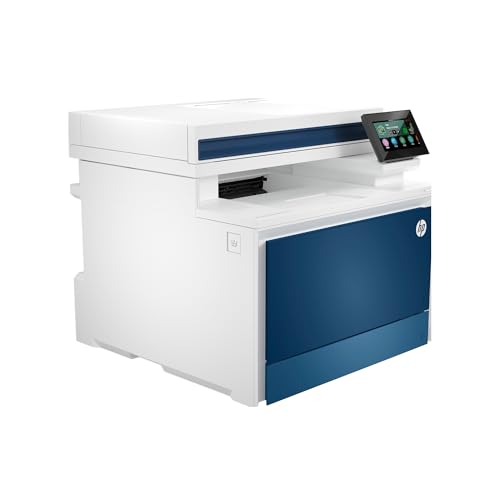
HP Color LaserJet Pro MFP 4301fdw Wireless All-in-One Color Laser Printer, Scanner, Copier, Fax, Best-for-Office
EVERYTHING SMALL TEAMS NEED – Print, scan and copy professional-quality color documents and reports plus fax. Auto 2-sided...
As an affiliate, we earn on qualifying purchases.

Canon Color imageCLASS MF665Cdw - Wireless Duplex Laser Printer, All-in-One with Copier, Scanner, Fax, Auto Document Feeder, 3 Year Limited Warranty, 22 PPM
Color, Wireless, Duplex 4-in-1: Print, scan, copy, fax.
As an affiliate, we earn on qualifying purchases.