
Choosing between shared and separate accounts depends on your comfort level with transparency, independence, and your financial goals. Shared accounts can simplify joint expenses and promote trust, but may limit privacy. Separate accounts offer independence and clarity, especially if you have different spending habits. A hybrid approach combines both for flexibility. To find the setup that fits your life best, explore the benefits and challenges of each option — you’ll discover helpful tips along the way.
Key Takeaways
- Shared accounts promote transparency and joint decision-making but may reduce personal financial independence.
- Separate accounts help maintain individual financial goals and reduce conflicts, especially with differing spending habits.
- A hybrid model combines shared expenses with personal accounts, offering flexibility and autonomy.
- Regular communication and financial reviews are essential to prevent misunderstandings in any setup.
- Consider personal comfort, relationship dynamics, and future plans when choosing between shared, separate, or hybrid accounts.
What Are the Pros and Cons of Sharing Accounts for Couples?

Have you ever wondered whether sharing an account with your partner simplifies or complicates your financial life? When you opt for account merging, it encourages joint decision making, making it easier to manage expenses and savings together. Sharing a bank account can foster transparency and trust, helping you stay aligned on financial goals. However, it also means you’re both responsible for the account, which can lead to disagreements if spending habits differ. You might find it challenging to keep individual financial independence or privacy. On the plus side, a shared account streamlines bill payments and reduces the risk of missed payments. Additionally, understanding the implications of account management in financial planning can help you make more informed decisions. It’s important to consider how financial responsibility is shared to prevent potential conflicts. Overall, sharing an account can strengthen your partnership, but it requires open communication and mutual understanding to avoid potential conflicts. Being aware of cost-sharing strategies can also help you navigate the complexities of joint finances more effectively.
When Should You Use Separate Accounts?

Choosing to keep separate accounts makes sense when you and your partner have very different spending habits or financial priorities. If you want to maintain individual savings or pursue joint investments without complicated sharing, separate accounts offer flexibility. They help you manage personal expenses while still contributing to shared goals. Consider this table:
| When to Use Separate Accounts | Benefits |
|---|---|
| Different spending habits | Keeps finances clear and personalized |
| Separate individual savings | Protects personal financial goals |
| Focused joint investments | Simplifies managing shared assets |
| Different financial priorities | Reduces conflicts and misunderstandings |
If your financial styles diverge or you value independence in money management, separate accounts may be the better setup for your relationship. Additionally, understanding the role of security systems can help protect your financial interests both online and offline.
How to Decide Which Financial Setup Is Right for You

Deciding whether to use shared or separate accounts depends on your unique financial situation and relationship dynamics. Emotional considerations play a big role—trust, independence, and spending habits influence your choice. You should also consider legal implications, especially if you’re married or planning long-term commitments, as they affect asset ownership and liability. To help decide, think about:
- How comfortable are you sharing financial details and responsibilities?
- Do you prefer maintaining individual financial independence?
- Are there legal factors, like marriage or estate plans, that influence account setup?
Ultimately, your decision should balance emotional comfort with practical legal considerations, ensuring your financial setup aligns with your life goals and relationship needs.
Is a Hybrid Approach of Shared and Separate Accounts the Best Fit?

A hybrid approach can help you find the right balance between independence and unity in your finances. It allows you to manage shared goals while maintaining personal financial space. Consider whether this setup best supports your combined priorities and individual needs. Incorporating elements of Free Floating accounts can provide greater flexibility and adaptability to changing circumstances. This method also enables you to tailor your financial management to specific needs, such as handling essential oils for health or wellness purposes, reflecting a personalized approach to shared and individual financial responsibilities. Additionally, exploring best anime movies can offer enjoyable ways to bond over shared interests while respecting individual tastes.
Balancing Independence and Unity
Finding the right balance between independence and unity often leads couples to contemplate a hybrid approach, combining shared and separate accounts. This setup allows you to maintain trust boundaries while fostering financial transparency. You can keep personal spending separate, preserving independence, while sharing a joint account for common expenses to promote unity. This flexibility helps prevent resentment and encourages open communication. To succeed, discuss boundaries clearly, decide which expenses are shared, and ensure both feel respected. A hybrid approach can adapt over time, reflecting your evolving needs. It’s about creating a financial environment that fosters mutual trust and understanding without sacrificing individual autonomy. This balance keeps your partnership strong, allowing both independence and unity to thrive simultaneously.
Managing Financial Goals
Have you ever wondered if a hybrid approach best supports your financial goals? Combining shared and separate accounts can offer flexibility, helping you stay aligned with your objectives. For example, using shared accounts for joint expenses keeps communication clear, while separate accounts allow you to pursue individual investment strategies without conflict. Managing this setup can positively impact your credit score by demonstrating responsible financial behavior in both accounts. When planning your investments, a hybrid approach lets you set personal priorities while maintaining a sense of partnership. It encourages transparency and accountability, ensuring both partners contribute fairly. Additionally, understanding the benefits of financial literacy can help you make informed decisions about managing multiple accounts effectively. Ultimately, choosing a mix of shared and separate accounts helps you tailor your financial management to fit your unique goals and lifestyle, making progress smoother and more intentional.
How to Manage Finances and Prevent Conflicts

Effective communication is essential for managing finances and preventing conflicts in shared or separate accounts. Openly discussing your financial habits helps avoid misunderstandings that can harm your credit score or hinder debt management. To keep things smooth, consider these strategies:
- Regularly review your budgets and expenses together to ensure transparency.
- Set clear expectations about spending limits and savings goals.
- Keep each other informed about debts or loans to prevent surprises and late payments.
- Incorporating financial routines such as scheduled check-ins can further promote ongoing trust and clarity.
- Be aware of the market trends and insights that can influence your financial decisions and planning.
- Understanding specialized financial products, like joint or individual accounts, can help tailor your approach to fit your unique situation.
- Staying informed about financial infrastructure such as banking systems and digital payment platforms can enhance your ability to manage shared or separate accounts effectively.
- Regularly updating your knowledge on influence of market trends can help you make more informed financial choices.
Practical Tips for Setting Up and Maintaining Your Accounts
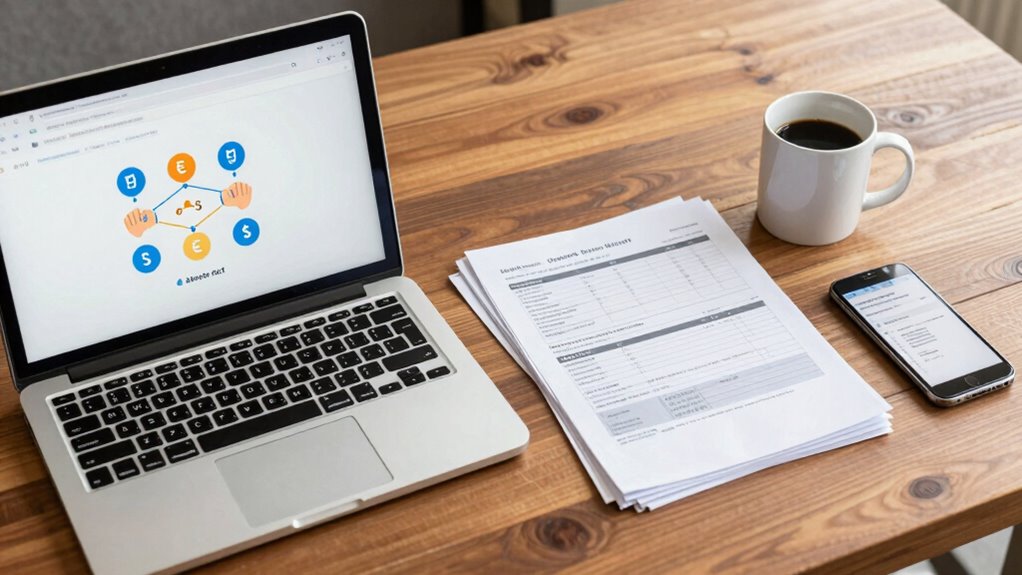
Setting up and maintaining your accounts properly can make managing your finances much smoother. If you opt for joint accounts, establish clear agreements on how funds are deposited and spent. Regularly review account statements together to ensure transparency and address any discrepancies early. For added security, consider two-factor authentication to better protect your financial data from unauthorized access. For individual budgeting, keep separate accounts for personal expenses, which helps avoid confusion and keeps finances organized. Automate bill payments and savings contributions to stay consistent. Use budgeting tools or apps to track spending and prevent overspending, especially when managing multiple accounts. Incorporate sound financial practices to reinforce disciplined money management. Ensure your account setup aligns with electrical safety principles to avoid potential risks and protect your financial data. Understanding the importance of contingency plans can prepare you for unexpected financial challenges. Additionally, maintaining secure account passwords and enabling two-factor authentication can significantly enhance your financial data security. Communicate openly about your financial goals and update your setup as your circumstances change. These practical steps will help you stay on top of your finances, reduce conflicts, and guarantee your account setup supports your lifestyle.
Common Mistakes to Avoid When Choosing Your Financial Setup

Choosing the wrong financial setup can lead to confusion, misunderstandings, and even costly mistakes. One common error is not considering how joint custody arrangements impact shared finances, which can complicate access and decision-making. Another mistake is neglecting to align your investment strategies with your setup, risking conflicting priorities or missed opportunities. You might also overlook the importance of clear communication, leading to disagreements when managing separate accounts or joint ones. Failing to evaluate your future needs or potential changes can cause ongoing issues. To avoid these pitfalls, think carefully about your current and future circumstances, and choose a setup that promotes transparency and flexibility, especially when dealing with joint custody or tailored investment strategies. Being aware of privacy policies and how your data is managed can also prevent unexpected complications down the line. Additionally, understanding the herbal properties of plant-based remedies can help you tailor your health strategies more effectively, much like selecting the proper financial setup for your life. Considering water-related aspects of your financial planning can help you stay fluid and adaptable as circumstances evolve. For example, exploring security measures can increase your peace of mind and protect your assets from unforeseen threats.
Frequently Asked Questions
How Do Shared and Separate Accounts Impact Credit Scores?
Shared accounts can impact your credit score by influencing your account management and payment history, since your actions affect the shared account’s status. If payments are late, your score may drop. Separate accounts give you more control and limit the credit score impact to your individual account management. This way, you can build or protect your credit score more effectively, depending on how you manage each type of account.
Can Combining Accounts Affect Financial Privacy?
Combining accounts can impact your financial privacy by increasing transparency, as both account holders see all transactions. This setup might raise privacy concerns if you prefer keeping certain expenses or financial details confidential. You need to weigh the benefits of shared access against potential privacy risks. If maintaining privacy is essential, separating accounts offers more control, while combining accounts promotes transparency but might compromise your privacy.
What Legal Considerations Exist With Joint Accounts?
Joint ownership joins legal responsibilities, so you should be aware of potential pitfalls. When you open a joint account, both parties are equally accountable for deposits, withdrawals, and debts. Legally, this means each person can access funds and is responsible for any overdrafts or liabilities. Make sure you understand the legal responsibilities involved, as joint accounts can impact credit, liability, and estate planning, so clear communication is key.
How Do Account Types Influence Financial Planning for Children?
Account types notably shape your financial planning for children. Custodial accounts let you save directly for their future, giving control until they reach legal age. Educational savings accounts, like 529 plans, specifically fund college expenses with tax advantages. Choosing between these options depends on your goals, whether saving for education or general needs, ensuring you maximize growth and minimize taxes to support your child’s financial future effectively.
Are There Tax Implications for Shared Versus Separate Accounts?
Shared and separate accounts influence tax implications, affecting tax reporting and gift implications. With shared accounts, you often report interest and dividends collectively, possibly complicating tax filing. Separate accounts simplify this process, as income is tied directly to each owner. Additionally, gift implications vary; contributions to a child’s account may trigger gift tax considerations, especially if they exceed annual exclusions. Understanding these differences helps you plan your finances efficiently and stay compliant.
Conclusion
Choosing between shared, separate, or hybrid accounts isn’t just about finances—it’s about your future together. The right setup can strengthen trust or create unexpected hurdles. So, ask yourself: are you ready to take this step? The answer might surprise you. What you decide now could shape your financial harmony for years to come. The key is staying flexible—and prepared for what’s next. Are you ready to find out what really works for you?