For portable podcast headphones, my best overall pick is the Audio-Technica ATH-M20x, which pairs a closed-back design with a focused monitoring role. The TASCAM TH-02 is a straightforward wired alternative, while the Soundcore Q20i stands apart for listeners who want wireless convenience and active noise cancelling. The main tradeoffs are isolation versus awareness, full-size comfort versus compact packing, and wired reliability versus wireless flexibility. Not every headphone here is designed for microphone monitoring, so your recording setup matters as much as your listening habits. Read on for the full breakdown and a guide to choosing the right fit for your podcast routine.

Get everyday essentials delivered free with Prime
- Fast, free delivery on millions of items
- Prime Video, Amazon Music and more included
- Member-only deals all year
Complete the kit


Key Takeaways
- ATH-M20x leads for monitoring: Its closed-back studio-monitor design makes it the strongest all-around match for hearing spoken audio in a portable recording setup.
- Wired models dominate recording practicality: Most of this lineup connects by cable, avoiding battery dependence and wireless delay, but a phone or tablet may require an adapter.
- Portable does not always mean compact: The Koss KPH7 and Sony MDR-ZX110 are easier to pack than full-size over-ear options, while offering less ear coverage.
- The Q20i is the wireless outlier: Active noise cancelling and wireless listening suit travel, but its feature set does not make it a replacement for every wired monitoring setup.
- Connection details separate useful picks: Detachable cables and 3.5 mm/6.35 mm connector options can make studio-style headphones easier to use across recording gear.
| Koss KPH7 Lightweight Portable On-Ear Headphones, Black |  | Best Lightweight On-Ear Pick | Design: On-ear | Connectivity: Wired | Connector: 3.5 mm | VIEW LATEST PRICE | See Our Full Breakdown |
| TASCAM TH-02 Wired Over-Ear Studio Headphones |  | Best Foldable Closed-Back Pick | Design: Closed-back, over-ear | Driver type and size: Dynamic, 50 mm | Frequency response: 18 Hz–22 kHz | VIEW LATEST PRICE | See Our Full Breakdown |
| Sony MDR-E9LP Wired In-Ear Headphones, Black | 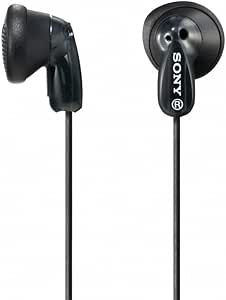 | Best for Ultralight Travel | Fit: In-ear | Driver type and size: Dynamic, 13.5 mm | Frequency response: 18 Hz–22,000 Hz | VIEW LATEST PRICE | See Our Full Breakdown |
| New Bee DH81 Wired Studio Headphones, 50 mm Drivers, 3.5 mm and 6.35 mm Connectors |  | Best for Flexible Studio Monitoring | Type: Wired over-ear headphones | Driver type and size: Dynamic, 50 mm | Frequency range: 10 Hz–40,000 Hz | VIEW LATEST PRICE | See Our Full Breakdown |
| Philips Over-Ear Wired Stereo Headphones with 6.3 mm Adapter |  | Best for Long-Cable Monitoring | Wearing style: Over-ear | Connectivity: Wired, 3.5 mm jack | Included adapter: 6.3 mm (1/4 in) snap-on | VIEW LATEST PRICE | See Our Full Breakdown |
| Audio-Technica ATH-M20x Professional Studio Monitor Headphones, Black |  | Best for Studio Tracking | Driver size: 40 mm | Driver type: Dynamic | Frequency response: 15–20,000 Hz | VIEW LATEST PRICE | See Our Full Breakdown |
| KVIDIO INFLOW Wired Over-Ear Headphones with Microphone |  | Best for Calls on the Go | Driver size: 40 mm | Connector: 3.5 mm gold-plated L-shaped plug | Cable: Nylon-braided | VIEW LATEST PRICE | See Our Full Breakdown |
| OneOdio Pro-10 Wired Over-Ear DJ Headphones |  | Best for Flexible Monitoring | Driver size: 50 mm | Impedance: 32 ohms | Frequency response: 20 Hz–40 kHz | VIEW LATEST PRICE | See Our Full Breakdown |
| Syndesmos CM7005 Wired Over-Ear DJ Headphones |  | Best Lightweight Studio Pick | Driver size: 50 mm | Frequency range: 20 Hz–20 kHz | Impedance: 32 ohms | VIEW LATEST PRICE | See Our Full Breakdown |
| Sony MDR-ZX110 Wired On-Ear Headphones, Black |  | Best Compact Travel Pick | Type: Wired on-ear headphones | Driver: 1.38-inch dome-type dynamic | Frequency response: 12 Hz–22 kHz | VIEW LATEST PRICE | See Our Full Breakdown |
| FIFINE H8 Wired Studio Monitor Headphones with Detachable Cables |  | Best for Studio-Style Monitoring | Design: Closed-back, over-ear | Driver size: 50 mm | Frequency response: 20 Hz–20 kHz | VIEW LATEST PRICE | See Our Full Breakdown |
| Sony ZX Series Wired On-Ear Headphones, White (MDR-ZX110) |  | Best Compact Wired Pick | Type: Wired on-ear headphones | Driver type and size: Dynamic, 34.93 mm | Frequency response: 12 Hz–22 kHz | VIEW LATEST PRICE | See Our Full Breakdown |
| Soundcore by Anker Q20i Hybrid Active Noise Cancelling Headphones, Black |  | Best Wireless Travel Pick | Type: Over-ear Bluetooth headphones | Active noise cancellation: Hybrid ANC; reduces up to 90% of external noise | Driver size: 40 mm | VIEW LATEST PRICE | See Our Full Breakdown |
| portable podcast headphone | Weight | Impedance | Frequency response | Driver size |
|---|---|---|---|---|
| Koss KPH7 Lightweight Portable | 2.88 oz | 32 ohms | 80–18,000 Hz | — |
| TASCAM TH-02 Wired Over-Ear St | 0.3 kg | 32 ohms | 18 Hz–22 kHz | — |
| Sony MDR-E9LP Wired In-Ear Hea | 6 g | 16 ohms | 18 Hz–22,000 Hz | — |
| New Bee DH81 Wired Studio Head | 210 g | — | — | — |
| Philips Over-Ear Wired Stereo | 8.8 oz | 16 ohms | — | 40 mm |
| Audio-Technica ATH-M20x Profes | — | 47 ohms | 15–20,000 Hz | 40 mm |
| KVIDIO INFLOW Wired Over-Ear H | — | — | — | 40 mm |
| OneOdio Pro-10 Wired Over-Ear | 415 g | 32 ohms | 20 Hz–40 kHz | 50 mm |
| Syndesmos CM7005 Wired Over-Ea | 9.12 oz (260 g) | 32 ohms | — | 50 mm |
| Sony MDR-ZX110 Wired On-Ear He | 9.12 oz | 24 ohms at 1 kHz | 12 Hz–22 kHz | — |
| FIFINE H8 Wired Studio Monitor | 265 g | — | 20 Hz–20 kHz | 50 mm |
| Sony ZX Series Wired On-Ear He | 4.2 oz | 24 ohms | 12 Hz–22 kHz | — |
| Soundcore by Anker Q20i Hybrid | 9.12 ounces | — | — | 40 mm |
More Details on Our Top Picks
Koss KPH7 Lightweight Portable On-Ear Headphones, Black
The Koss KPH7 suits podcast listeners who prioritize a small, light setup over studio-style isolation. At 2.88 oz, it is easier to carry than the larger TASCAM TH-02, while its adjustable headband gives it a more conventional listening fit than the pocketable Sony MDR-E9LP earbuds. The 4-foot cable and 3.5 mm plug work with compatible recording gear and phones that retain a headphone jack, without batteries or pairing. Its on-ear design is simple for casual monitoring, but it does not seal around the ears like the closed-back TASCAM, so nearby sound may intrude and audio may escape. The wired connection also limits movement, and its stated range starts at 80 Hz. I’d pick it for light travel and basic podcast monitoring, not for a controlled recording environment.
Pros:- Very light at 2.88 oz for easy carrying
- Adjustable headband allows a more secure fit
- Standard 3.5 mm wired connection needs no battery
- Four-foot cord suits nearby listening setups
Cons:- On-ear design offers less isolation than the TASCAM TH-02 closed-back headphones
- Wired connection restricts movement
- Not water resistant
Best for: Traveling podcast listeners who want lightweight, simple wired headphones for casual monitoring on devices with a 3.5 mm jack.
Not ideal for: Podcasters recording in noisy rooms or needing stronger sound isolation, since the on-ear design does not provide a closed-back seal.
- Design:On-ear
- Connectivity:Wired
- Connector:3.5 mm
- Cord length:4 ft
- Weight:2.88 oz
- Frequency response:80–18,000 Hz
- Impedance:32 ohms
- Sensitivity:91 dB SPL
Our verdict“Choose the KPH7 for a featherweight, basic wired option; choose the TASCAM TH-02 instead when closed-back isolation matters more.”
TASCAM TH-02 Wired Over-Ear Studio Headphones
For podcast recording on the go, the TASCAM TH-02 combines a folding frame with closed-back over-ear cups, a useful pairing when I want more separation from surrounding room noise than the Koss KPH7 can offer. Its padded headband and ear pads suit longer editing sessions, while the included 3.5 mm-to-6.3 mm adapter lets it connect to both common headphone jacks and larger studio outputs. Compared with the New Bee DH81, the TASCAM’s listed specs include a retractable cable and a foldable design, giving it a clear portability case. The tradeoff is its 0.3 kg weight, which is far more substantial than the Sony MDR-E9LP earbuds, and it remains tethered by wire. I’d favor it for mobile recording kits that need isolation and studio compatibility, rather than for listeners seeking the smallest carry option.
Pros:- Foldable design packs down for transport
- Closed-back cups provide more isolation than the Koss KPH7 on-ear design
- Includes a 3.5 mm-to-6.3 mm adapter for studio connections
- Padded headband and ear pads support longer sessions
Cons:- Heavier than compact in-ear options such as the Sony MDR-E9LP
- Wired connection limits movement
- Not water resistant
Best for: Mobile podcasters who carry a compact recording kit and need foldable closed-back headphones with both 3.5 mm and 6.3 mm compatibility.
Not ideal for: Listeners who prioritize minimal carry weight or wireless freedom; the over-ear build is heavier than the Sony MDR-E9LP and requires a cable.
- Design:Closed-back, over-ear
- Driver type and size:Dynamic, 50 mm
- Frequency response:18 Hz–22 kHz
- Impedance:32 ohms
- Sensitivity:98 dB
- Connectivity:Wired, 3.5 mm jack
- Adapter:3.5 mm to 6.3 mm
- Weight:0.3 kg
Our verdict“Pick the TH-02 if you need foldable closed-back monitoring and studio-jack compatibility in one wired headset.”
Sony MDR-E9LP Wired In-Ear Headphones, Black
The Sony MDR-E9LP is the most compact choice here for podcast listeners who want audio monitoring without carrying full-size headphones. At just 6 g, it weighs far less than the Philips P2000 or TASCAM TH-02 and slips into a small pocket; silicone earbuds help keep the fit in place during everyday travel. The 3.5 mm connection keeps the setup straightforward with compatible devices, and its 13.5 mm dynamic drivers are specified for an 18 Hz–22,000 Hz response. That portability comes with a clear compromise: earbuds do not offer the over-ear coverage or passive isolation of the closed-back TASCAM TH-02, which makes the Sony less suited to recording in a busy room. Its cable also limits movement, and it has no water resistance. I’d choose it for lightweight listening between sessions, not as my primary studio-monitoring headset.
Pros:- Extremely light at 6 g
- Compact in-ear form is easy to carry
- Silicone earbuds support a secure fit
- 3.5 mm plug connects to compatible devices
Cons:- In-ear design offers less isolation than closed-back over-ear options such as the TASCAM TH-02
- Wired cable restricts movement
- Not water resistant
Best for: Podcast hosts and editors who travel light and need a tiny wired listening option for compatible 3.5 mm devices.
Not ideal for: People recording in noisy spaces or wanting full-size over-ear comfort and isolation; the earbuds provide less coverage than the TASCAM TH-02.
- Fit:In-ear
- Driver type and size:Dynamic, 13.5 mm
- Frequency response:18 Hz–22,000 Hz
- Impedance:16 ohms
- Cable length:3.94 ft
- Connector:3.5 mm headphone jack
- Weight:6 g
- Water resistance:Not water resistant
Our verdict“Choose the MDR-E9LP for the lightest travel kit, but use the TASCAM TH-02 when recording isolation is the priority.”
New Bee DH81 Wired Studio Headphones, 50 mm Drivers, 3.5 mm and 6.35 mm Connectors
The New Bee DH81 is the most adaptable pick here for podcast setups that shift between a computer, audio interface, and other studio equipment. Its 3.5 mm and 6.35 mm connectors cover both common plug sizes without relying on the TASCAM TH-02’s included adapter, and the 90-degree swiveling ear cups support one-ear monitoring when I need to hear the room. At 210 g, it is lighter than the Philips P2000 at 8.8 oz, though the provided specs do not list a folding design for travel. Passive isolation can reduce some surrounding sound, but it is not active noise cancellation and should not be mistaken for it. The wired build also keeps me close to the recording source. I’d choose the DH81 for a portable, multi-device studio kit, while travelers wanting a confirmed folding frame should look at the TASCAM TH-02.
Pros:- Includes both 3.5 mm and 6.35 mm connectors
- 90-degree swiveling cups support single-side monitoring
- 210 g weight is lighter than the Philips P2000
- Passive isolation can help reduce some ambient sound
Cons:- Wired design limits movement away from the recording device
- Passive isolation is not active noise cancellation
- No foldable design is specified
Best for: Podcast creators who move between devices with 3.5 mm and 6.35 mm headphone outputs and want the option of single-ear monitoring.
Not ideal for: Travelers who specifically need folding headphones or wireless freedom; the listed design is wired and does not specify a foldable frame.
- Type:Wired over-ear headphones
- Driver type and size:Dynamic, 50 mm
- Frequency range:10 Hz–40,000 Hz
- Weight:210 g
- Connectors:3.5 mm and 6.35 mm
- Ear cup swivel:90°
- Noise control:Passive noise isolation
- Warranty:2 years
Our verdict“Pick the DH81 for flexible wired connections and one-ear monitoring, but choose the TASCAM TH-02 if a folding frame is a priority.”
Philips Over-Ear Wired Stereo Headphones with 6.3 mm Adapter
The Philips P2000 makes the most sense when a podcast desk or studio setup benefits from a longer reach: its 2 m cable gives more room between the listener and equipment than the Koss KPH7’s 4-foot cord. Cushioned over-ear cups and an adjustable headband offer a fuller fit than the Sony MDR-E9LP earbuds, while the 90-degree rotating ear cups make one-sided monitoring practical. Philips includes a snap-on 6.3 mm adapter, so the 3.5 mm plug can also work with larger headphone outputs. Compared with the foldable TASCAM TH-02, though, the P2000’s listed features emphasize cable length and monitoring rather than compact packing. At 8.8 oz, it is not the lightest portable pick, and passive isolation is not active noise cancellation. I’d select it for a fixed recording or editing station, not for the smallest travel bag.
Pros:- Two-meter cable allows more reach than the Koss KPH7’s 4-foot cord
- Includes a snap-on 6.3 mm adapter
- Cushioned ear cups and adjustable headband provide an over-ear fit
- 90-degree rotating cups support monitoring with one ear
Cons:- Heavier than the New Bee DH81 at 210 g
- Wired connection restricts movement
- Passive isolation does not provide active noise cancellation
Best for: Podcast editors and hosts working near a desk or interface who want a longer cable, over-ear cushioning, and a 6.3 mm adapter.
Not ideal for: Frequent travelers seeking the most compact or lightest option; the TASCAM TH-02 has a foldable design, while the P2000 weighs 8.8 oz.
- Wearing style:Over-ear
- Connectivity:Wired, 3.5 mm jack
- Included adapter:6.3 mm (1/4 in) snap-on
- Driver size:40 mm
- Impedance:16 ohms
- Cable length:2 m
- Weight:8.8 oz
- Noise control:Passive noise isolation
Our verdict“Choose the Philips P2000 for longer-cable desk monitoring and over-ear comfort, rather than compact travel portability.”
Audio-Technica ATH-M20x Professional Studio Monitor Headphones, Black
The ATH-M20x suits podcast recording where dependable wired monitoring matters more than quick packing. Its circumaural earcups help reduce surrounding sound reaching your ears, while the 40 mm drivers’ low-frequency tuning can make bass-heavy voices easier to monitor. Compared with the compact, on-ear Sony MDR-ZX110, this Audio-Technica is a more studio-oriented choice, with a longer cable and an over-ear fit; the Sony is easier to stow for travel. The tradeoff is portability: its 2.99 m fixed cable is useful near recording equipment but can snag or feel excessive on commutes, and the cable is not described as detachable. I’d choose it for a stationary recording setup, not for a lightweight everyday carry.
Pros:- Circumaural earcups provide passive sound isolation for recording
- 40 mm dynamic drivers are tuned for enhanced low-frequency performance
- Long, single-sided cable reaches across a studio desk
- Designed for studio tracking and mixing
Cons:- The 2.99 m cable can be cumbersome outside a fixed recording setup
- Cable is not described as detachable
- No built-in microphone for calls or direct headset recording
Best for: Podcast hosts who record at a desk and want over-ear monitoring with a long cable and passive isolation
Not ideal for: Travelers who need a compact foldable headset or people who want a detachable cable for easier packing
- Driver size:40 mm
- Driver type:Dynamic
- Frequency response:15–20,000 Hz
- Impedance:47 ohms
- Sensitivity:96 dB
- Design:Circumaural, over-ear
- Cable length:2.99 m (9.8 ft), single-sided
- Connectivity:3.5 mm headphone jack
- Warranty:2 years on parts and labor
Our verdict“Choose the ATH-M20x for desk-based podcast monitoring and skip it if a short, packable setup matters more than studio reach.”
KVIDIO INFLOW Wired Over-Ear Headphones with Microphone
The KVIDIO INFLOW is the most call-friendly pick here: its built-in microphone and in-line controls make it more practical for recording notes or joining a remote session from a phone or tablet than the microphone-free Sony MDR-ZX110. Its foldable earcups and adjustable headband also suit a bag better than the long-cabled Audio-Technica ATH-M20x. Passive isolation and padded cushions help with everyday listening, though this is not the same as active noise cancellation or a dedicated studio-monitor design. A notable compatibility catch is that the controls may not work with some computers, and devices without a 3.5 mm jack need an adapter. I’d pick it for mobile conversations and casual podcast work, rather than a computer-first recording station.
Pros:- Built-in microphone supports calls and voice conversations
- In-line volume and multifunction controls suit compatible phones and tablets
- Foldable design with 90° swivel earcups is easier to pack
- Braided cable, padded cushions, and adjustable headband support everyday use
Cons:- In-line controls may not work with some computers
- Devices without a 3.5 mm jack require an adapter
- Six-month warranty is shorter than the two-year coverage listed for the ATH-M20x and OneOdio Pro-10
Best for: Phone- and tablet-based podcast guests who want wired listening, a built-in mic, and foldable headphones
Not ideal for: Computer-first podcasters who need guaranteed in-line control compatibility or devices without a headphone jack and no adapter
- Driver size:40 mm
- Connector:3.5 mm gold-plated L-shaped plug
- Cable:Nylon-braided
- Microphone:Built-in
- Controls:In-line volume and multifunction button; compatible with phones and tablets
- Headband:5-level adjustable
- Design:Foldable with 90° swivel earcups
- Warranty:6 months
Our verdict“Pick the INFLOW for portable phone-based podcast calls, but choose a studio-focused model if computer compatibility and monitoring are your priorities.”
OneOdio Pro-10 Wired Over-Ear DJ Headphones
The OneOdio Pro-10 earns its place for podcasters who move between different audio gear. Its 3.5 mm and 6.35 mm connections cover common portable and studio outputs without relying on a separately listed adapter, while swiveling earcups let a host monitor with one ear uncovered. That makes it more flexible for hands-on recording than the closed-over-ear Audio-Technica ATH-M20x, but its 415 g weight makes it less appealing for long walks or a light travel kit. The 50 mm drivers and broad stated frequency response suit monitoring and general listening, though driver size alone does not guarantee a more accurate recording mix. It is wired-only and relies on passive isolation, so I’d favor it at a recording desk over noisy commutes.
Pros:- 3.5 mm and 6.35 mm connections suit portable and studio equipment
- 90° swiveling earcups support single-ear monitoring
- 50 mm drivers and 20 Hz–40 kHz stated response cover a broad audio range
- Includes a protective case and a shared audio port for another pair
Cons:- At 415 g, it is heavier than a compact travel-oriented headphone
- Wired-only connection limits movement
- Noise isolation is passive rather than active
Best for: Podcast creators who use both standard headphone and studio audio jacks and want single-ear monitoring
Not ideal for: Commuters prioritizing low carry weight, wireless freedom, or active noise cancellation
- Driver size:50 mm
- Impedance:32 ohms
- Frequency response:20 Hz–40 kHz
- Sensitivity:110 dB
- Audio connections:3.5 mm and 6.35 mm jacks
- Ear cup rotation:90°
- Weight:415 g
- Included items:Headphones, media cable, protective case, user manual
- Warranty:2 years
Our verdict“Choose the Pro-10 when connector flexibility and one-ear monitoring matter more than minimizing weight for travel.”
Syndesmos CM7005 Wired Over-Ear DJ Headphones
For a portable podcast kit that still needs studio-style features, the Syndesmos CM7005 combines 50 mm drivers and 90° swiveling earcups with a listed weight of 260 g. It is substantially lighter on paper than the OneOdio Pro-10, which also offers 50 mm drivers and single-ear monitoring but weighs 415 g. The CM7005’s detachable coiled cable is another packing advantage: it can be removed for storage and helps manage slack when connected. Its 3.5 mm and 6.35 mm connections suit common portable and studio sources. The tradeoff is that the coiled cable remains a wired tether during use, and passive isolation cannot block noise like active cancellation. I’d choose it for portable recording sessions, especially when carrying weight matters.
Pros:- Listed weight of 260 g is lower than the OneOdio Pro-10’s 415 g
- Detachable coiled cable can be removed for packing
- 3.5 mm and 6.35 mm connections support common audio sources
- 90° swiveling earcups allow single-ear monitoring
Cons:- Wired connection limits movement while recording
- Passive isolation does not provide active noise cancellation
- One-year warranty is shorter than the two-year coverage listed for the ATH-M20x and Pro-10
Best for: Mobile podcasters who want lightweight over-ear monitoring, a detachable cable, and compatibility with standard studio jacks
Not ideal for: People who need wireless movement or active noise cancellation for loud recording environments
- Driver size:50 mm
- Frequency range:20 Hz–20 kHz
- Impedance:32 ohms
- Weight:9.12 oz (260 g)
- Connectivity:Wired, 3.5 mm and 6.35 mm jacks
- Cable:Detachable, coiled, 5.7–6 ft
- Features:90° swiveling earcups, passive noise isolation, headphone daisy-chaining
- Warranty:1 year
Our verdict“The CM7005 is a strong fit for creators who want portable, lightweight wired monitoring with a detachable cable.”
Sony MDR-ZX110 Wired On-Ear Headphones, Black
The Sony MDR-ZX110 is the simplest choice when podcast headphones need to disappear into a travel bag. Its on-ear design and swiveling earcups make it easier to store than the over-ear Audio-Technica ATH-M20x, whose long cable and studio fit are better suited to a desk. Sony’s 3.94 ft cord is also shorter than the ATH-M20x’s 2.99 m lead, so there is less slack to manage on the move. That compactness comes with clear limits: this model has no microphone, and its on-ear fit offers a different experience from the over-ear isolation of the KVIDIO INFLOW or studio-oriented options. I’d use it for portable listening and monitoring, not as a single-device headset for remote podcast calls.
Pros:- On-ear construction and swiveling earcups make storage easier
- Short 3.94 ft cable is less cumbersome than the ATH-M20x’s long studio lead
- 3.5 mm L-shaped plug connects to compatible audio devices
- Closed-back design and cushioned earpads suit everyday listening
Cons:- No built-in microphone for calls or voice recording
- Wired connection restricts movement
- On-ear fit may not suit buyers seeking circumaural coverage
Best for: Travelers who want a compact wired headphone for listening to or monitoring podcast audio from a 3.5 mm device
Not ideal for: Podcast guests who need a built-in microphone or hosts seeking over-ear isolation for recording
- Type:Wired on-ear headphones
- Driver:1.38-inch dome-type dynamic
- Frequency response:12 Hz–22 kHz
- Impedance:24 ohms at 1 kHz
- Sensitivity:98 dB
- Connector:3.5 mm L-shaped stereo mini plug
- Cord length:3.94 ft
- Weight:9.12 oz
- Microphone:None
Our verdict“Choose the MDR-ZX110 for compact wired podcast listening, but skip it if you need a microphone or over-ear recording fit.”
FIFINE H8 Wired Studio Monitor Headphones with Detachable Cables
The FIFINE H8 suits portable podcast work when monitoring isolation and studio connections matter more than being wireless. Its closed-back, over-ear design helps limit outside sound reaching your ears, while the padded headband and cups support longer recording sessions. Two detachable coiled cables, with 3.5 mm and 6.35 mm connectors, make it easier to connect to different recording gear and replace a cable if needed. Compared with the compact Sony MDR-ZX110, the H8 offers a more substantial over-ear fit and studio-oriented cabling, but it takes up more room in a bag and its cable restricts movement. The 265 g weight is manageable, though the closed-back cups can feel warm during extended use. Choose it for a stationary recording setup that travels; skip it if you need wireless freedom or a very compact headset.
Pros:- Closed-back cups provide passive noise isolation for monitoring.
- Two detachable coiled cables include 3.5 mm and 6.35 mm connectors.
- Padded, adjustable fit is suited to longer recording sessions.
- 50 mm drivers and a 20 Hz–20 kHz frequency range support monitoring and everyday listening.
Cons:- Wired connection restricts movement compared with the Soundcore Q20i.
- Over-ear closed-back cups may feel warm during long sessions.
- Bulkier to pack than the foldable Sony MDR-ZX110.
Best for: Podcast hosts who carry wired recording gear and want closed-back over-ear monitoring with both 3.5 mm and 6.35 mm connection options.
Not ideal for: Travelers who need pocketable headphones or hosts who move around while recording, since the over-ear design takes space and the cable limits movement.
- Design:Closed-back, over-ear
- Driver size:50 mm
- Frequency response:20 Hz–20 kHz
- Weight:265 g
- Cables:Two detachable 9.8 ft coiled cables
- Connectors:3.5 mm and 6.35 mm
- Warranty:1 year
Our verdict“Choose the FIFINE H8 if your portable podcast kit prioritizes wired studio connections and passive isolation over compact packing or wireless mobility.”
Sony ZX Series Wired On-Ear Headphones, White (MDR-ZX110)
The Sony MDR-ZX110 is the travel-friendly choice here: its lightweight on-ear build and swiveling earcups make it easier to stow than the larger FIFINE H8. That portability is useful for podcast guests carrying a small kit or hosts who want a simple wired backup. The closed-back design and cushioned earpads offer basic listening isolation, while the L-shaped 3.5 mm plug can be a practical fit for connected devices in a bag. Its limits matter for recording, though: there is no microphone, so it cannot handle a call or serve as a headset, and on-ear pads may become uncomfortable sooner than the H8’s over-ear cushions. The fixed cable also keeps movement tethered. I’d choose it for lightweight monitoring and travel, not for extended sessions or a mic-equipped setup.
Pros:- Lightweight 4.2 oz design is easy to carry.
- Swiveling earcups help the headphones pack more easily.
- Closed-back construction and cushioned earpads offer basic listening isolation.
- Tangle-free cable ends in a 3.5 mm L-shaped plug.
Cons:- No microphone, so it cannot serve as a call or recording headset.
- On-ear fit may become uncomfortable sooner than the FIFINE H8’s over-ear design.
- Wired connection limits movement, and the headphones are not water resistant.
Best for: Podcast guests and mobile creators who want lightweight, foldable wired headphones for monitoring playback from a device with a 3.5 mm jack.
Not ideal for: Hosts who need a built-in microphone, extended-session over-ear comfort, or freedom to move away from their recording device.
- Type:Wired on-ear headphones
- Driver type and size:Dynamic, 34.93 mm
- Frequency response:12 Hz–22 kHz
- Impedance:24 ohms
- Sensitivity:100 dB
- Connector:3.5 mm stereo mini plug, L-shaped
- Weight:4.2 oz
- Cable:Tangle-free
- Color:White
Our verdict“Pick the Sony MDR-ZX110 for simple, lightweight wired monitoring on the go, but not if you need a microphone or long-session over-ear comfort.”
Soundcore by Anker Q20i Hybrid Active Noise Cancelling Headphones, Black
The Soundcore Q20i is the most convenient option for travel between podcast sessions: it combines Bluetooth, hybrid ANC, and long battery life in one over-ear pair. Its noise cancellation can reduce up to 90% of external noise, helping with listening in busy spaces, while transparency mode lets outside sound back in without removing the headphones. App-based EQ gives listeners more control than the straightforward wired Sony MDR-ZX110, and dual-device connections help when switching between a laptop and phone. The tradeoff for podcast recording is that Bluetooth adds a wireless connection to the monitoring chain, while the supplied media cable offers a wired alternative. Battery life also varies by mode: ANC use is rated up to 40 hours, versus up to 60 hours in normal mode. Pick this for travel and flexible listening; choose the FIFINE H8 for a simpler wired studio setup.
Pros:- Hybrid ANC reduces up to 90% of external noise, with a transparency mode also available.
- Up to 60 hours of battery life in normal mode and up to 40 hours with ANC.
- App-based EQ customization helps tailor listening.
- Simultaneous connections to two devices simplify switching between a phone and computer.
Cons:- Active noise cancellation reduces the rated battery life compared with normal mode.
- Wireless use requires managing battery charge, unlike the wired FIFINE H8.
- Hi-Res audio compatibility requires the AUX cable.
Best for: Podcast creators who travel between recording locations and want wireless listening, active noise cancellation, adjustable EQ, and connections to two devices.
Not ideal for: Buyers seeking a straightforward wired monitoring pair with no battery to manage, or those who need the stated Hi-Res audio compatibility without using the AUX cable.
- Type:Over-ear Bluetooth headphones
- Active noise cancellation:Hybrid ANC; reduces up to 90% of external noise
- Driver size:40 mm
- Battery life:Up to 40 hours with ANC; up to 60 hours in normal mode
- Fast charging:5 minutes of charging provides up to 4 hours of listening
- Bluetooth:5.0
- Connections:Connects to two devices simultaneously
- Audio modes:ANC, Normal, Transparency
- Weight:9.12 ounces
Our verdict“Choose the Soundcore Q20i for wireless, noise-reduced travel listening and device switching, but favor a wired model for uncomplicated studio monitoring.”

How We Picked
I ranked these headphones by how well their design matches podcast use away from a fixed desk: clear, practical monitoring; comfort over a recording session; packability; and compatibility with common recording equipment. I also weighed whether a model is wired or wireless, whether its cable and connector setup supports the intended device, and whether features such as a microphone or active noise cancelling serve a specific use rather than simply adding complexity.
The ATH-M20x takes the lead for its monitoring-focused, closed-back format. The TASCAM TH-02 and other wired over-ear models follow for dependable, uncomplicated listening, with connector options and detachable cables helping distinguish them. Compact on-ear and in-ear picks rank higher for easy packing than for isolation, while the Soundcore Q20i earns a distinct spot for travel convenience rather than studio-first use. These are role-based recommendations, not claims of hands-on testing; fit, device compatibility, and the need for a microphone can change which pick makes most sense.
Factors to Consider When Choosing Portable Podcast Headphones
Choosing portable podcast headphones is less about finding one universal winner and more about matching the headphones to your recording chain and travel habits. I would settle the connection and monitoring questions before comparing extras.
Decide Whether You Need Recording Monitoring or General Listening
Headphones used to monitor a microphone feed have a different job from headphones used to edit or listen to finished episodes. For monitoring, a wired connection can avoid battery worries and wireless delay, while a closed-back fit can help limit sound leaking back toward a microphone. For commuting or casual listening, wireless features may matter more than studio-oriented behavior. A common mistake is buying for the most features rather than the task that happens most often. If one pair must do both jobs, prioritize a reliable wired mode and check how it connects to your recording device.
Check the Whole Connection Chain Before Buying
A headphone plug that fits a mixer may not fit a phone, laptop, or portable recorder. Check whether your device has a headphone output, whether it needs a 3.5 mm or 6.35 mm connection, and whether an adapter is included or required. Some phones and tablets need a separate audio adapter, and USB-C ports do not all support the same audio accessories. For recording, also confirm that the headphone output is separate from the microphone input; a headset microphone plug may use a different wiring standard. Sorting this out first can prevent a compatible-looking pair from becoming inconvenient in actual use.
Balance Isolation Against Awareness
Closed-back, over-ear headphones can help you hear your own voice and recorded material in a noisy room, but they may feel warm during long sessions. On-ear designs and earbuds pack smaller and leave more room around the ears, though they generally provide less physical coverage. Active noise cancelling can make travel listening calmer, but it does not automatically improve microphone monitoring or stop headphone sound from reaching a nearby mic. If you record in a shared space, prioritize a secure fit and moderate listening volume as well as isolation. If you need to hear announcements or conversation, a fully isolating fit may be the wrong match.
Treat Comfort as a Fit Question, Not a Spec Sheet
Podcast sessions can run long, so clamp pressure, ear-pad shape, headband adjustment, and heat matter alongside sound. Over-ear cups may spread pressure around the ears, while on-ear pads press directly on them; neither style suits everyone. Product dimensions and weight can help narrow choices, but they cannot predict how a particular head or ear will respond. Look for a return policy that gives you time to check comfort during a realistic session. Do not assume that a larger headphone is automatically more comfortable or that a compact pair will stay comfortable for hours.
Choose Portability for Your Actual Travel Pattern
Portability includes more than a folding hinge: cable length, cable removal, storage protection, and how easily the headphones tangle all affect daily carry. A lightweight on-ear pair may fit a small bag, while a full-size model may offer more coverage but occupy more space. Detachable cables can be replaced or packed separately, although they add another item to keep track of. If you record in several locations, consider whether the headphones can connect to each setup without carrying multiple adapters. Choose the smallest form that still provides the comfort and monitoring you need.
Pay for Features That Match a Real Need
Extra functions make sense when they solve a problem you encounter often: wireless operation for moving around, noise cancelling for travel, or a built-in microphone for calls. They can be less useful in a fixed recording setup, where a separate microphone and a direct wired connection may be preferable. Wireless models also rely on charging, and their behavior can depend on whether a cable remains usable when the battery is depleted. Before paying for added features, check whether they work with your recording device and whether they alter the connection you plan to use. A simpler wired pair can be the more dependable travel choice if podcast monitoring is the priority.
Frequently Asked Questions
Should I choose wired or wireless headphones for recording a podcast on the go?
I would favor wired headphones when you need to monitor a live microphone feed, since a cable avoids charging interruptions and can reduce the delay associated with wireless listening. Wireless is more convenient for travel and casual editing, especially if you want to move around without a cable. Check whether a wireless model also supports a wired connection and whether that connection works when its battery is empty. Your recorder or interface must have a compatible headphone output either way. If monitoring timing matters, confirm the complete setup rather than relying on a headphone feature description alone.
Can I use these headphones with a phone or tablet that has no headphone jack?
Often, but you may need a compatible audio adapter for your device. Check the headphone plug and the phone or tablet’s port before buying, then confirm that the adapter supports audio output rather than charging alone. A 6.35 mm connector commonly needs an adapter to connect to smaller headphone outputs. If you plan to record with a headset microphone, verify that the device and adapter support microphone input too; headphone output compatibility does not guarantee mic support. Testing the connection before a scheduled recording can prevent avoidable setup problems.
Are noise-cancelling headphones a good choice for podcast monitoring?
They can make listening in a noisy travel environment more comfortable, but noise cancelling is not the same as a studio-monitoring design. For a recording session, a direct wired connection and a secure fit may matter more than cancelling low background noise. Active cancellation also does not guarantee that sound from the earcups will stay out of a nearby microphone. If the same pair will serve travel and recording, check its wired mode and test for audible bleed at your intended listening level. Choose noise cancelling for the environment you face often, not as a substitute for checking monitoring compatibility.
Do I need a built-in microphone on podcast headphones?
Not if you already use a separate podcast microphone; the headphone microphone may add little to your recording setup. A built-in mic is useful for calls, quick voice notes, or meetings when carrying a separate microphone is inconvenient. Do not assume it will perform like a dedicated recording microphone or connect to every device without an adapter. Check whether the mic is supported over the wired or wireless connection you intend to use. If your main task is listening to your own voice while recording, prioritize the headphone connection and fit instead.
Is a compact on-ear pair enough for long recording sessions?
It can be, but comfort depends on how the pads and headband fit you. On-ear headphones are typically easier to pack than full-size over-ear designs, yet the pads rest directly on the ears and may become uncomfortable for some people over time. They may also provide less isolation in a noisy room. If your sessions are long, check the fit policy and try them for a realistic duration before relying on them for regular recording. A compact pair makes the most sense when portability matters more than maximum coverage.
Conclusion
For most portable recording setups, I would start with the Audio-Technica ATH-M20x as the best overall choice because its closed-back, monitoring-focused design fits the core podcast task. The TASCAM TH-02 is my best value-style pick for buyers who want uncomplicated wired over-ear listening, while the Soundcore Q20i is the best premium-style option here for travelers who prioritize wireless convenience and active noise cancelling. Beginners who want a straightforward first pair can look to the Sony MDR-ZX110, provided on-ear fit and modest isolation suit their sessions. For specific needs, choose the Koss KPH7 for a lightweight, packable format or the FIFINE H8 when detachable cables are useful. Check your device connections and comfort priorities before choosing; those details can matter more than a feature list.