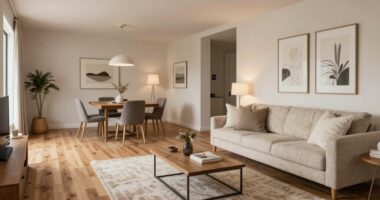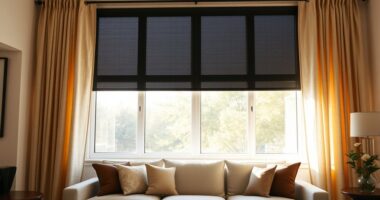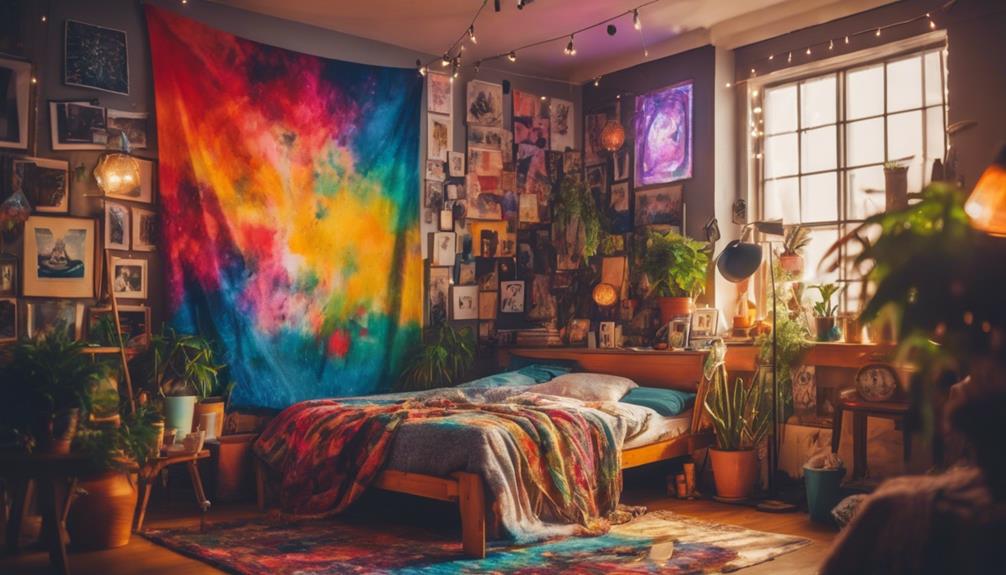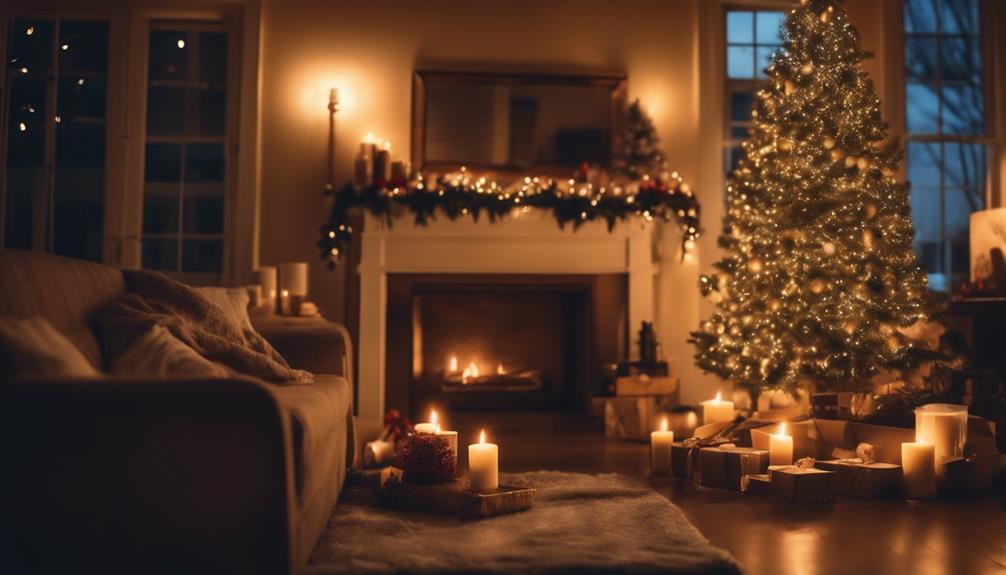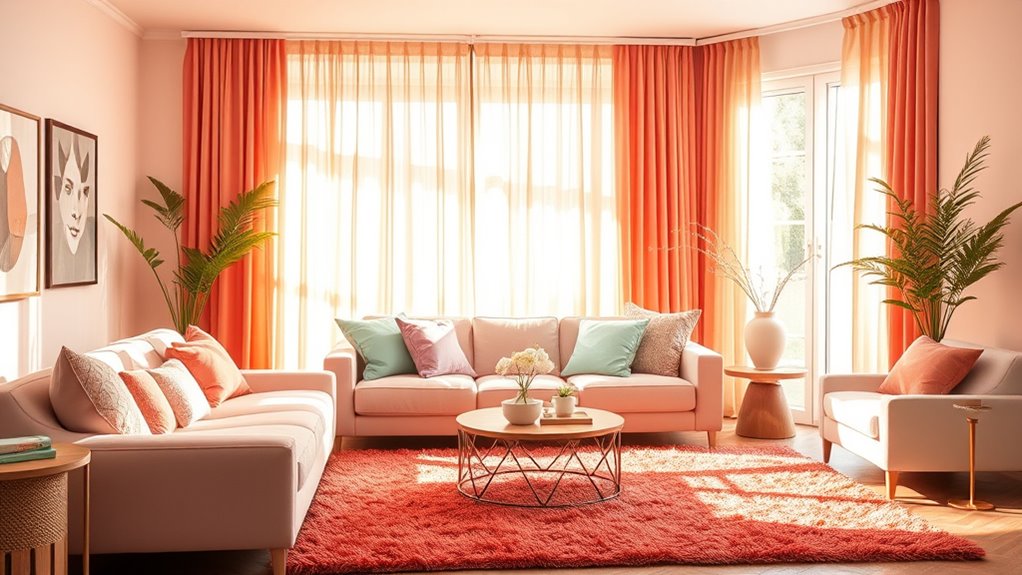

In 2025, trending colors can markedly influence your mood at home. Bright, light shades like whites and pastels promote hope, peace, and relaxation, making spaces feel open and calming. Warm hues such as reds and oranges energize and inspire excitement, while cool tones like blues and greens soothe and reduce stress. Choosing colors aligned with your emotional needs can enhance your well-being. If you explore further, you’ll discover how to craft a space that truly nurtures your mood.
Listen free for 30 days with Audible
Thousands of audiobooks and originals — cancel anytime.
As an affiliate, we earn on qualifying purchases.
Key Takeaways
- Bright, light hues in 2025 promote feelings of hope, relief, and open-mindedness, enhancing overall mood at home.
- Warm colors like reds and oranges stimulate energy and passion, ideal for lively living spaces.
- Cool tones such as blues and greens foster relaxation, reducing stress and supporting restful environments.
- Saturated, vibrant colors increase arousal and excitement, while muted tones encourage calmness and tranquility.
- Understanding color associations helps personalize home decor to positively influence emotional well-being.
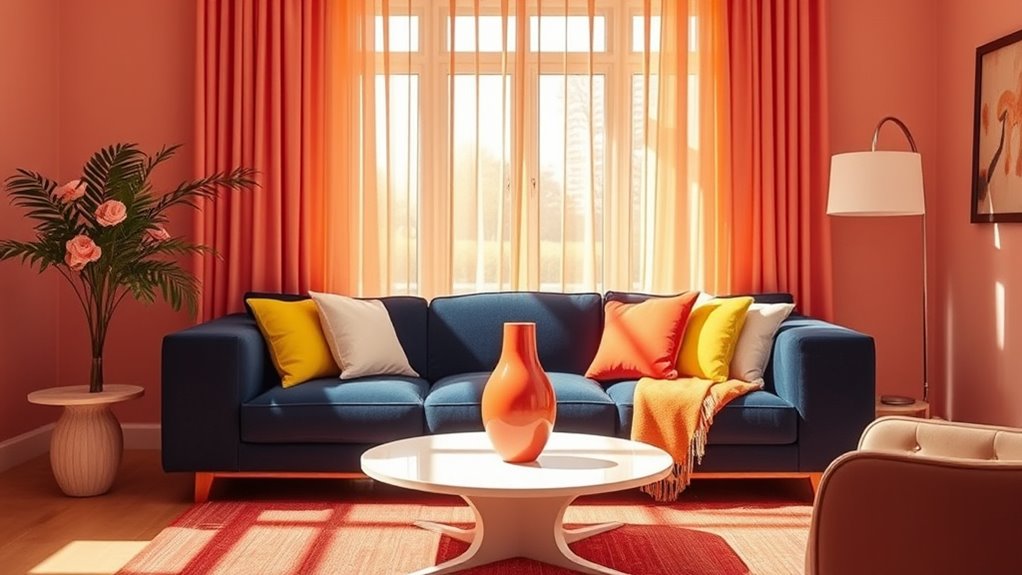
Color psychology explores how colors influence our emotions and behaviors, a field studied for over 128 years through more than 132 peer-reviewed studies involving tens of thousands of participants worldwide. These studies reveal that colors can evoke specific emotional responses, with effects that vary depending on factors like lightness, saturation, and cultural context. When choosing hues for your home in 2025, understanding these connections can help you craft spaces that boost your mood and foster the desired atmosphere. Recognizing the emotional associations of colors can further enhance your ability to create harmonious living environments. Colors are often categorized based on their emotional associations. For example, red is a powerful color linked to both high-energy emotions like passion and excitement, as well as negative feelings such as anger and aggression. Its high arousal potential makes it ideal for energizing spaces or stimulating conversation in social areas. Conversely, shades of blue, green, and teal tend to promote calmness, relaxation, and happiness, making them perfect choices for bedrooms or meditation corners. White, associated with hope and peace, can brighten a room and create a sense of openness and clarity, while darker shades like black and grey usually evoke negative emotions such as fear, boredom, or disappointment.
Lightness, or brightness, plays a vital role in emotional response. Lighter shades generally produce positive feelings, regardless of the hue, contributing to feelings of hope, relief, and comfort. Darker tones tend to evoke more negative emotions, including sadness or anxiety. Saturation, or color vividness, influences emotional intensity as well. Highly saturated colors often trigger energetic, high-arousal reactions, which can be invigorating or overwhelming depending on the context. Mute or desaturated tones tend to foster calmer, more subdued moods, making them suitable for creating tranquil home environments.
In 2025, the distinction between warm and cool colors remains significant. Warm hues like reds, oranges, and yellows tend to energize spaces, evoking feelings of excitement, passion, and power. On the other hand, cool colors such as blues and greens are associated with relaxation and serenity, ideal for reducing stress and promoting restful sleep. Both warm and cool colors can generate positive emotions, but they do so at different arousal levels, influencing how you experience your home’s ambiance.
Understanding these psychological mechanisms helps you intentionally select colors that align with your emotional needs. The way your brain interprets light wavelengths, combined with cultural meanings and personal associations, shapes your emotional reactions. Whether you want to energize your living room or create a peaceful retreat in your bedroom, choosing the right hues based on color psychology allows you to craft spaces that support your mood and well-being in 2025.
As an affiliate, we earn on qualifying purchases.
Frequently Asked Questions
How Do Color Preferences Vary Across Different Cultures?
You’ll notice that color preferences differ widely across cultures. For example, Americans favor red and blue, while Chinese associate red with good luck and prefer reddish hues. Japanese often choose white for certain products, and Lebanese have unique preferences reflecting their cultural influences. These variations are shaped by historical, environmental, and symbolic meanings, so what feels appealing or meaningful to one culture might not resonate the same way elsewhere.
Can Color Choices Influence Productivity in Home Offices?
Your color choices can markedly boost your productivity at home. Blue helps you focus and stay calm during tasks, while green boosts creativity and reduces stress. Adding pops of yellow energizes your mood, and red can motivate you for detail work. Balance warm and cool tones to avoid overstimulation, and incorporate green plants for a restorative environment. Thoughtful color selection creates a workspace that keeps you motivated and efficient.
Are There Any Colors to Avoid in Bedrooms for Better Sleep?
You should avoid bright reds, oranges, neon yellows, and hot pinks in your bedroom, as they overstimulate your nervous system and make it harder to fall asleep. Vibrant colors send wake-up signals to your brain, disrupting melatonin production and your circadian rhythm. Instead, opt for calming shades like light blue, soft sage green, or muted blush pink, which promote relaxation and help you sleep better.
How Do Lighting Conditions Affect Perceived Color Moods?
Lighting conditions are like a painter’s brush, shaping how colors and moods appear in your space. Warm light (2700K–3000K) makes your room feel cozy and inviting, boosting relaxation. Cool light (4000K–6500K) energizes and sharpens focus, perfect for work areas. Brightness also impacts mood—dim lighting creates calm, while bright lighting sparks alertness. Adjusting these factors helps you control your environment’s emotional vibe effortlessly.
What Colors Are Best for Reducing Stress in Living Areas?
You’re looking to create a calming living space, so choose soft blues, earthy greens, or warm neutrals. These hues naturally lower stress, promote relaxation, and foster a sense of safety. Incorporate sky blue, pale yellow, or warm peach to uplift without overwhelming. Avoid bright, saturated colors like cobalt blue or magenta, which can increase tension. Combining these colors with natural materials and gentle lighting enhances the soothing atmosphere you want.
Conclusion
As you embrace 2025’s hottest hues, remember that colors are the paintbrushes of your mood, shaping your home’s atmosphere like a skilled artist. Choosing calming blues or energizing reds can turn your space into a sanctuary or a lively hub. Let these colors be the melody to your daily life’s song, transforming your home into a reflection of your inner world. After all, your surroundings are the canvas where your happiness and harmony paint their masterpiece.
NFL season / tailgating Picks
team gear
As an affiliate, we earn on qualifying purchases.