
When choosing between local storage and a subscription-based cloud plan for your camera recordings, you store footage either directly on your devices like SD cards or external drives, or in the cloud with remote access and automatic backups. Local storage gives you physical control but risks data loss from damage or theft, while cloud options offer off-site safety and easy remote access, often at ongoing costs. To understand the details of how each method works, keep exploring these options further.
Key Takeaways
- Local storage saves footage directly on physical devices, offering immediate access but risks data loss from theft or hardware failure.
- Subscription cloud storage automatically backs up footage online, providing off-site security and remote access but involves ongoing costs.
- Local storage requires manual management, backups, and maintenance, while cloud providers handle system updates and data security automatically.
- Cloud storage relies on third-party providers, raising privacy concerns, but typically encrypt data to protect user footage.
- Choosing between methods depends on cost, convenience, security needs, and desired control over recorded footage.
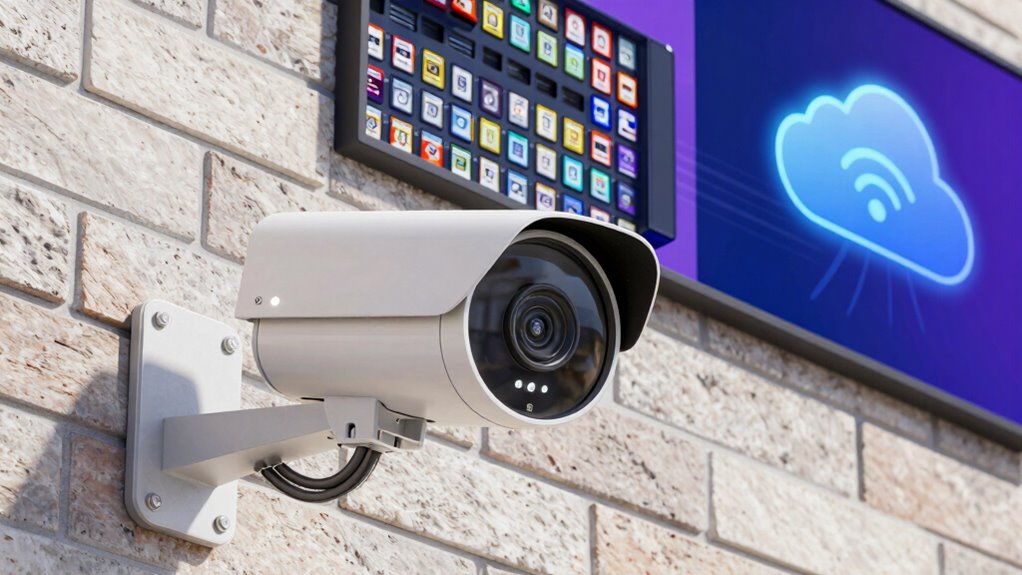
When choosing how to access and manage digital content, understanding the differences between local storage and subscriptions is vital. If you’re considering how your camera recordings are stored and accessed, you need to weigh the advantages and drawbacks of each method. Local storage lets you save footage directly onto physical devices like SD cards, external hard drives, or network-attached storage (NAS). This approach gives you physical control over your recordings, making it easier to access footage quickly without relying on an internet connection. Plus, with local storage, you don’t have to worry about ongoing fees, as once you buy the storage device, there are no recurring costs. However, it’s important to consider that local storage is vulnerable to theft, damage, or hardware failure, which could result in losing your recordings unless you have a backup system in place.
On the other hand, subscription-based services typically store your camera footage in the cloud. This setup often involves paying a monthly or annual fee, but it offers the convenience of automatic cloud backups. Cloud backups ensure your recordings are safely stored off-site, reducing the risk of data loss due to theft or hardware failure. They also come with features like remote access, so you can view your footage from anywhere with an internet connection. However, relying on cloud storage raises concerns about data privacy. When you upload your recordings to a third-party server, you’re trusting the service provider to handle your data responsibly. It’s vital to choose a reputable provider that prioritizes data privacy and encrypts your footage to prevent unauthorized access.
Another aspect to consider is the ongoing management of your recordings. With local storage, you’re in charge of maintaining and backing up your data, which can be more labor-intensive but offers greater control. Cloud storage providers often handle the maintenance for you, automatically managing backups and updates. But, this convenience comes with the ongoing cost of subscriptions, which can add up over time. Some providers also limit how much footage you can store unless you upgrade to higher-tier plans, so you need to evaluate your storage needs carefully. Additionally, understanding navigation and mapping features can help optimize how your camera systems are set up and managed, ensuring better coverage and easier access to footage.

SANDISK 256GB Ultra microSDXC UHS-I Memory Card with Adapter – Up to 150MB/s, C10, U1, Full HD, A1, MicroSD Card – SDSQUAC-256G-GN6MA
Compatible with Nintendo-Switch (NOT Nintendo-Switch 2)
As an affiliate, we earn on qualifying purchases.
As an affiliate, we earn on qualifying purchases.
Frequently Asked Questions
Can Local Storage Recordings Be Accessed Remotely?
Yes, local storage recordings can be accessed remotely if you set up remote access features like network sharing or a secure app connection. However, keep in mind storage limitations of your device or SD card, which might restrict how much footage you can keep. Make sure your system is configured correctly to enable remote viewing, and always prioritize security to prevent unauthorized access to your recordings.
How Secure Is Cloud Subscription Data?
Think of your cloud data as a vault, protected by robust encryption protocols that scramble your footage, making it unreadable to outsiders. While the system employs data redundancy to guarantee no recordings are lost, no security is foolproof. Your subscription data remains relatively secure, but always remember, the more sensitive the footage, the more you should trust layered protections and stay vigilant about potential breaches.
What Happens if Local Storage Fails?
If local storage fails, you risk losing your recorded footage, but data recovery options might help retrieve some data. To prevent complete loss, guarantee storage redundancy by backing up recordings elsewhere or using cloud subscriptions. Regularly check your storage device’s health, and consider a dual system setup for added security. This way, even if local storage fails, your recordings stay protected and accessible.
Are Subscription Services Available Worldwide?
Subscription services are available worldwide, but regional restrictions can limit access in some areas. You might encounter pricing variations depending on your location, which can affect the cost of signing up. Always check the specific provider’s availability and terms in your region before subscribing. This way, you guarantee you understand any restrictions or extra charges that could impact your ability to use the service effectively.
How Does Storage Capacity Affect Recording Duration?
Imagine your storage capacity is a giant, endless vault—yet even that vault has limits. When storage limits are reached, your recording duration shrinks dramatically, like a marathon runner hitting the wall. The more storage you have, the longer your camera can record without interruption. Conversely, limited storage cuts your recording duration short, forcing you to overwrite footage or upgrade, making your surveillance less reliable in capturing essential moments.
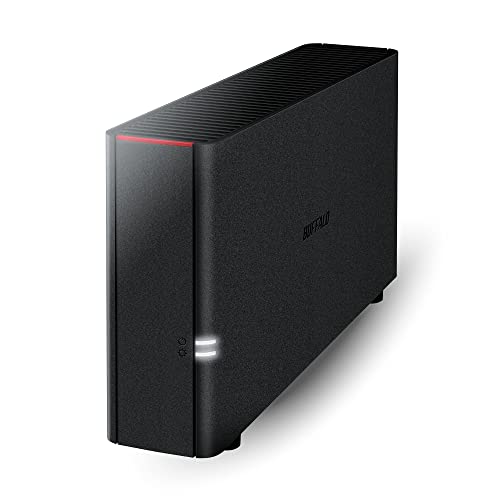
BUFFALO LinkStation 210 4TB 1-Bay NAS Network Attached Storage with HDD Hard Drives Included NAS Storage that Works as Home Cloud or Network Storage Device for Home
Value NAS with RAID for centralized storage and backup for all your devices. Check out the LS 700…
As an affiliate, we earn on qualifying purchases.
As an affiliate, we earn on qualifying purchases.
Conclusion
Whether you choose local storage or a subscription service, remember that security and simplicity should shape your decision. Don’t dwell on data dilemmas—diligently determine what delivers dependable, discreet, and direct access to your footage. By balancing benefits and boundaries, you build a better barrier against breaches. Ultimately, your choice should reflect your needs, not just novelty. Make a mindful, measured move, and master your monitoring method with confidence and clarity.

2026 Upgraded 2K Security Cameras Wireless Outdoor, Free Cloud Storage, 1-6 Months Battery Life, Waterproof, 2-Way Talk, AI Motion Detection Spotlight Siren Alarm Cameras for Home Security
🏆 【Improved Features for 2026】 2K UHD video & full-color night vision, free cloud storage, support for 2.4G…
As an affiliate, we earn on qualifying purchases.
As an affiliate, we earn on qualifying purchases.

CableCreation USB C Hard Drive Cable 1FT, 5Gbps USB A/C to Micro B, Compatible With iPhone 15 Plus/15 Pro Max, WD, External Hard Drive, and Camera, Grey
3-in-1 Design:CableCreation USB A/C to Micro B Cable is designed to solve most of the requirement when you…
As an affiliate, we earn on qualifying purchases.
As an affiliate, we earn on qualifying purchases.